
Beautiful Plants For Your Interior
Beautiful Plants For Your Interior
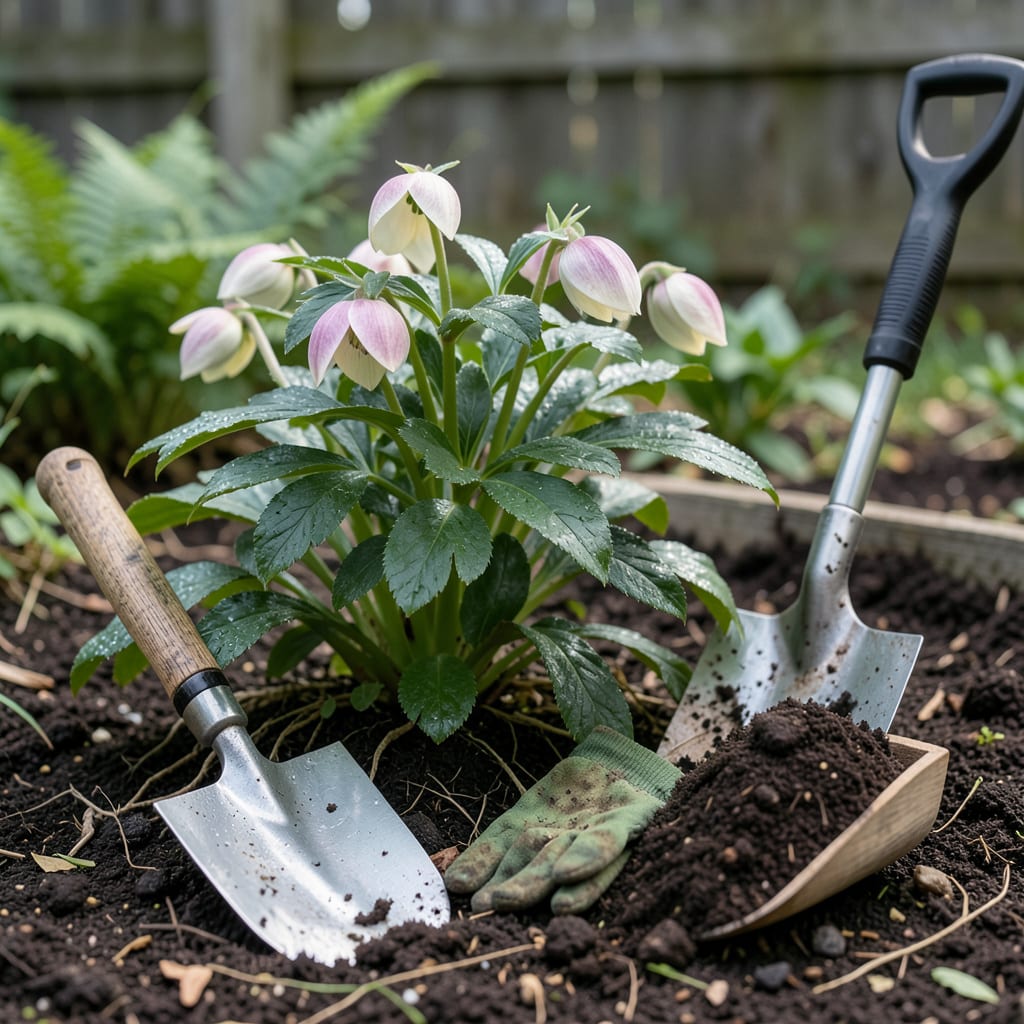
Imagine your garden bursting with color when everything else is dormant. That’s the magic of Hellebores—but only if you plant them at the right time in Zone 6. Too early or too late, and you risk weak blooms or even losing the plant entirely.
I’ve tested different planting windows, and what I found might surprise you. The key isn’t just about picking a month—it’s about working with your soil and frost dates. Let me show you exactly when to get those roots established for stunning winter flowers.
If you’re eager to add winter-blooming hellebores to your Zone 6 garden, timing is everything. These shade-loving perennials need fall planting to establish roots before winter’s chill. I’ve found that September through early November works best, giving plants enough time to settle in before the ground freezes.
The secret lies in soil temperature—aim for when daytime highs are consistently in the 50-60°F range. This sweet spot encourages root growth without triggering premature foliage. In Zone 6, that typically means planting 6-8 weeks before your first frost date (around October 15 for most areas).
| Stage | Action | Zone 6 Window |
|---|---|---|
| Soil Prep | Amend with compost | Late August |
| Planting | Set crowns 1″ below soil | September–October |
| Mulching | Apply 2″ organic mulch | Early November |
| First Blooms | Watch for buds | Late Winter |
💡 Tip: Early varieties like Helleborus niger may bloom as soon as January!
I always recommend early fall planting (September) for Zone 6 gardens. This gives hellebores a full 6-8 weeks to develop strong root systems before winter dormancy. The cooler air temperatures reduce transplant shock while warm soil promotes root growth—a perfect combination for these tough but finicky plants.
For those in warmer Zone 6 microclimates (like urban heat islands), you can push planting into early November. Just be sure to mulch heavily (3-4 inches of shredded leaves or pine straw) to protect new plants from temperature swings. I’ve had great success with this approach in my own garden near brick walls that radiate heat.
If you miss the fall window, don’t panic—spring planting is possible, but you’ll need to be more vigilant. Plants established in spring require consistent moisture through their first summer and may not bloom until their second year. I only recommend spring planting if you’re willing to babysit your hellebores through potential heat stress.
Remember that soil preparation is just as important as timing. Hellebores despise soggy roots, so I always amend planting holes with 50% native soil and 50% gritty compost. A handful of perlite or coarse sand at the bottom of the hole improves drainage dramatically in our Zone 6 clay soils.
One pro tip I swear by: plant hellebores where they’ll get winter sun but summer shade. In Zone 6, this might mean the east side of a building or under deciduous trees. The winter sunlight encourages early blooming, while summer shade prevents scorching—especially important for varieties like Helleborus orientalis with delicate foliage.
After planting, I recommend marking your hellebore locations with small stakes since their evergreen foliage can get buried under winter snow. Come spring, you’ll be rewarded with blooms when nothing else is flowering—well worth the careful timing and preparation!
For the most reliable results in Zone 6, stick to fall planting and choose varieties known for cold hardiness. My favorites include ‘Jacob’ strain (vigorous and early-blooming) and ‘Winter Jewels’ series (exceptional color range). Both thrive when planted in that September-October sweet spot we discussed earlier.
Even with perfect timing, planting hellebores in Zone 6 can go wrong if you make these common errors. I’ve seen gardeners lose entire plants because of simple oversights that are easy to fix once you know what to watch for.
The biggest mistake I encounter is planting too deep. Hellebore crowns should sit 1 inch below soil level—no deeper. Bury them too far down, and you’ll smother the growth point, leading to rot or failed blooms. I use a ruler to check depth every time.
💡 Fix these issues before planting to ensure winter blooms!
Ignoring soil drainage is another silent killer. Hellebores hate wet feet, yet many Zone 6 gardens have heavy clay soil. I always amend planting holes with 50% gritty compost and add a handful of perlite at the bottom. This creates the fast-draining conditions they crave.
A third critical error is missing the fall planting window. Spring-planted hellebores often struggle through their first summer, requiring constant watering. I’ve found they bloom poorly the following winter. Stick to September-October planting for strongest results in Zone 6.
Many gardeners also overlook summer shade requirements. While hellebores need winter sun, their foliage burns in hot Zone 6 summers. I plant mine under deciduous trees or on the east side of buildings where they get morning light but afternoon protection.
Finally,
By avoiding these mistakes, you’ll give your hellebores the best chance to thrive and bloom reliably each winter. Remember that Zone 6 success comes from matching planting timing with proper site preparation—get both right, and you’ll enjoy flowers when nothing else is blooming! 🌱
Not all hellebores thrive equally in Zone 6’s cold winters and hot summers. After testing dozens of varieties, I’ve found these cold-hardy champions consistently perform best. The key is matching bloom times to your garden’s microclimate—some varieties flower as early as January!
For earliest blooms, you can’t beat Helleborus niger (Christmas rose). This tough plant often pushes through snow with pure white flowers starting in late December. I’ve seen mine bloom reliably even after -10°F nights when properly mulched.
| Variety | Bloom Time | Height | Zone 6 Notes |
|---|---|---|---|
| Helleborus niger | Dec-Feb | 12-15″ | Most cold-hardy, pure white blooms |
| ‘Jacob’ strain | Jan-Mar | 18-24″ | Vigorous, early bloomer, purple shades |
| ‘Winter Jewels’ | Feb-Apr | 15-18″ | Color range, double flowers, long bloom |
| H. orientalis | Mar-Apr | 18-24″ | Classic Lent roses, needs summer shade |
💡 All varieties need well-draining soil and winter mulch in Zone 6!
For mid-winter color, the ‘Jacob’ strain hellebores are my top pick. These plants bloom January through March with flowers in shades of purple, pink, and white. I love how their nodding blooms contrast beautifully against snow—just be sure to plant them where you’ll see them from windows!
If you want extended bloom time, the ‘Winter Jewels’ series delivers from February through April. These hybrids offer double flowers in stunning colors like black, green, and spotted varieties. They’re slightly less cold-hardy than H. niger, so I recommend extra mulch in exposed locations.
For classic beauty, Helleborus orientalis (Lenten rose) remains a favorite. While it blooms later (March-April), its large, outward-facing flowers make a dramatic statement. In Zone 6, these need afternoon shade to prevent foliage scorch during summer heat waves.
When selecting varieties, consider your garden’s specific conditions. North-facing beds stay cooler, making them perfect for H. niger. Warmer south-facing spots suit ‘Winter Jewels’ better. I always plant a mix to ensure continuous blooms from December through April in my Zone 6 garden. 🌷
Spring planting is possible but requires extra care. Plants established in spring need consistent moisture through summer and may not bloom until their second year. Fall planting is always preferred in Zone 6.
Plant crowns exactly 1 inch below soil level. Burying them deeper risks rot, while planting too shallow exposes roots. Use a ruler to check depth for best results.
Apply 2-3 inches of organic mulch (shredded leaves or pine straw) after planting. This protects roots from freeze-thaw cycles while allowing soil to breathe. Remove mulch gradually in early spring.
Helleborus niger (Christmas rose) and ‘Jacob’ strain are most cold-hardy. For color variety, try ‘Winter Jewels’ series with extra mulch protection.
Divide in early fall (September) or early spring (March). Water divisions well and keep them shaded for 2 weeks to reduce transplant shock.
