
Beautiful Plants For Your Interior
Beautiful Plants For Your Interior
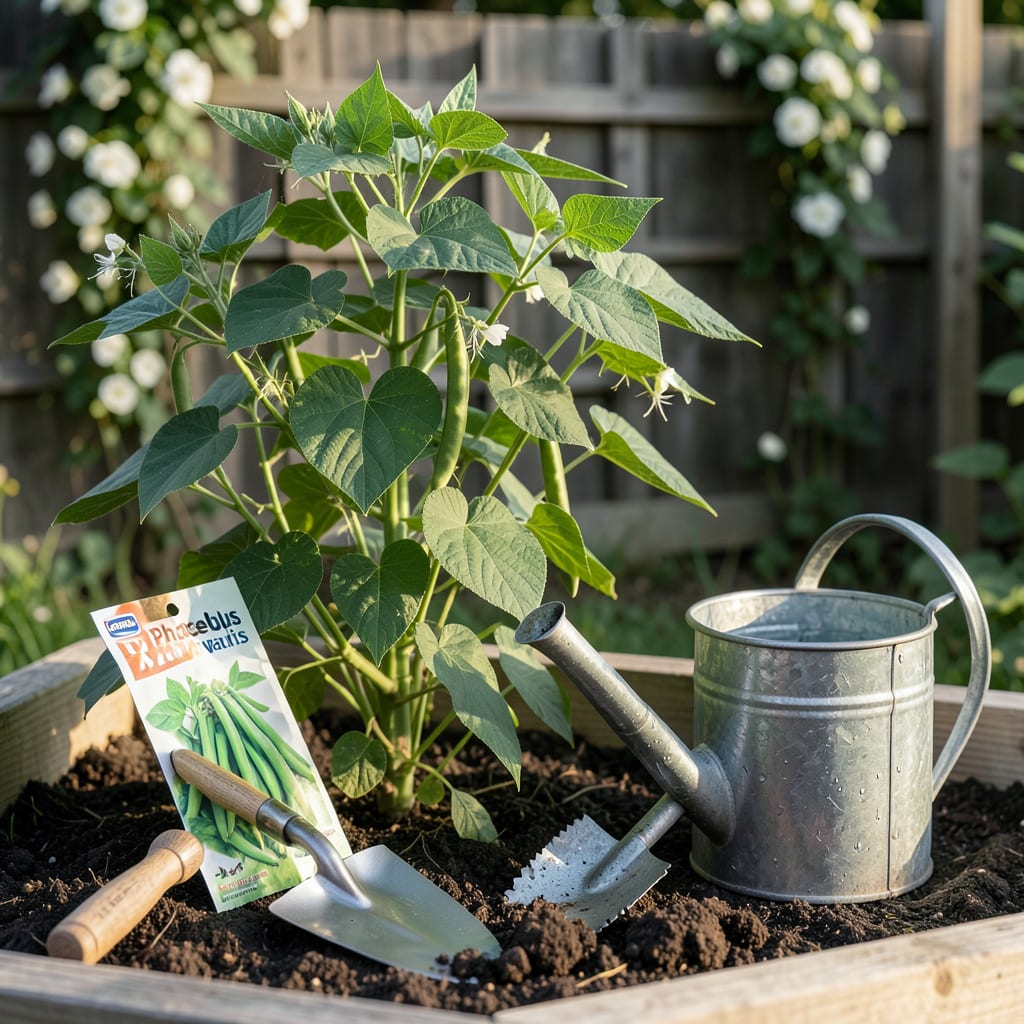
Timing your 🫘 Green Bean planting in Texas can mean the difference between a bountiful harvest and a disappointing yield. Our state’s unpredictable weather—from late frosts to early heatwaves—makes nailing that perfect window absolutely critical.
I’ve dug into the data from Texas A&M AgriLife and tested these methods in my own garden. Whether you’re in the Panhandle or the Gulf Coast, I’ll show you exactly when to get those seeds in the ground for faster germination and bigger harvests—without the guesswork.
Texas gardeners know our state isn’t just big—it’s climatically diverse. What works for Dallas gardeners in North Texas won’t cut it in Houston’s humidity or El Paso’s arid heat. The key to thriving green beans? Matching your planting dates to your region’s last frost and soil temps.
I’ve broken down the ideal windows based on Texas A&M AgriLife data and my own trials. Remember: Soil must hit 60°F for germination, and green beans hate frost. Plant too early, and you’ll lose seeds to cold snaps. Plant too late, and summer’s scorching heat will stunt growth.
| Region | Spring Planting | Fall Planting | Notes |
|---|---|---|---|
| North Texas (Dallas, Fort Worth) |
March 15–April 30 | August 1–September 15 | Watch for late frosts (cover seedlings if needed). |
| Central Texas (Austin, San Antonio) |
February 15–April 15 | September 1–October 15 | Heat-tolerant varieties (like ‘Contender’) thrive here. |
| South Texas (Houston, Corpus Christi) |
January 15–March 15 | October 1–November 30 | Avoid summer planting—humidity invites disease. |
| West Texas (El Paso, Lubbock) |
March 1–April 15 | August 15–September 30 | Drought-resistant varieties + mulch heavily. |
| Gulf Coast (Galveston, Beaumont) |
February 1–March 30 | September 15–November 1 | Use raised beds to improve drainage in clay soil. |
Pro Tip: Use a soil thermometer to confirm 60°F+ at 2″ depth before planting.
In North Texas, I’ve found that pushing the envelope to early March works if you’re ready to cover seedlings with frost cloth on cold nights. The Central Texas window is wider, but April plantings often need extra water as temps climb.
Down in South Texas, your biggest challenge isn’t cold—it’s humidity and pests. Planting in January or February lets you harvest before Mexican bean beetles peak. For fall crops, aim to harvest before the first frost (usually late November).
West Texas gardeners, your dry heat demands deep watering (1–1.5 inches weekly) and shade cloth for afternoon sun. I’ve had success with ‘Rattlesnake’ pole beans—they handle the heat better than bush varieties. Mulch with straw or grass clippings to retain moisture.
The Gulf Coast is a beast of its own. Heavy rains can rot seeds, so plant in raised beds or mounds. If your soil is clay-heavy, mix in compost or sand to improve drainage. Fall plantings here often outperform spring ones thanks to milder temperatures.
No matter where you are, succession planting is your friend. Sow a new batch every 2–3 weeks within your region’s window for a continuous harvest. And always soak seeds overnight before planting—it speeds germination in our often-dry soils.
One last tip: If you’re planting pole beans, get those trellises up before sowing. I use bamboo stakes in a teepee formation—it’s sturdy enough for Texas winds and gives vines plenty of room to climb. Bush beans? Space rows 18–24 inches apart for good airflow.
Remember, these dates are guidelines. Always check your local frost dates and adjust for microclimates. Urban areas like Austin or Dallas can be 5–10°F warmer than surrounding rural zones, letting you plant a week or two earlier. When in doubt, start small with a test batch!
Texas heat can turn your green bean dreams into a crispy disappointment faster than you can say “Mexican bean beetle.” After years of trial and error in my own garden, I’ve pinpointed the five biggest mistakes that sabotage harvests—especially when temps climb above 90°F.
The good news? Every one of these pitfalls is avoidable with a little planning. Whether you’re in dry West Texas or humid Houston, steering clear of these errors will keep your plants productive. Let’s dive into what not to do—and how to fix it if you’ve already made the misstep.
Pro Tip: If your leaves turn yellow with brown spots, you’re likely seeing heat stress—provide afternoon shade ASAP.
That July planting mistake is the most common I see in Texas gardens. Last summer, I tried direct-sowing in mid-July during a heatwave—zero germination. The soil was a toasty 95°F, which is too hot for green bean seeds to sprout. Now, I either wait for fall or use shade cloth to cool the soil.
Mulch isn’t optional here—it’s a lifesaver. In my Central Texas garden, unmulched plants wilted by 10 AM in June, while mulched rows stayed perky. I use straw (avoid hay, which has weed seeds) or grass clippings (dried first to prevent matting). Both keep roots cool and reduce watering by 30%.
Speaking of watering, clay soil is a double-edged sword. It holds moisture but crusts over when dry, blocking oxygen to roots. My fix? A soaker hose on a timer for deep, slow watering at dawn. Avoid overhead sprinklers—they waste water to evaporation and can spread fungal spores.
Here’s a trick for urban gardeners: If you’re in Dallas, Austin, or Houston, your microclimate might be 5–10°F hotter than rural areas. Use a cheap soil thermometer (I like the $10 digital ones) to check temps at 2-inch depth. If it’s above 85°F, hold off on planting or add shade.
Finally, don’t let pests crash your bean party. Mexican bean beetles (yellow-orange with black spots) and aphids love stressed plants. I handpick beetles daily and blast aphids off with water. For severe infestations, neem oil (sprayed at dusk) works wonders—just avoid spraying when bees are active.
🪴Not all green beans can handle the Texas heat, but these varieties have proven themselves in my garden year after year. The key is choosing types that thrive in high temperatures and drought conditions while resisting common pests.
I’ve tested over a dozen varieties, and these three consistently outperform others in Texas’ tough climate. Whether you prefer bush beans for easy harvests or pole beans for vertical space, there’s a perfect match for your garden.
Best for: North & Central Texas spring plantings.
Best for: West Texas & hot summers.
Best for: Gulf Coast & fall plantings.
Pro Tip: For pole beans, use a 6-8 ft trellis—they’ll climb higher in Texas heat!
‘Contender’ bush beans are my go-to for early spring plantings because they germinate in cooler soil and mature quickly. In Central Texas, I’ve harvested pods just 50 days after sowing—perfect for beating the summer heat.
If you’re in West Texas or the Panhandle, ‘Rattlesnake’ pole beans are a game-changer. Their deep roots handle drought better than bush varieties, and the long pods are easier to harvest. Just give them a sturdy trellis—they’ll grow 8+ feet tall in our long season.
For Gulf Coast gardeners, ‘Blue Lake’ (especially the bush variety) resists the humidity that plagues other beans. I’ve grown them successfully in fall plantings when other varieties succumb to powdery mildew. Their sweet, crisp pods make them a favorite.
No matter which variety you choose, soak seeds overnight before planting—it gives them a head start in our often-dry soils. And don’t forget to rotate crops yearly to prevent soil-borne diseases. I follow beans with tomatoes or peppers to break pest cycles.
🌱Green beans need soil temps of at least 60°F to germinate properly. Use a soil thermometer to check at 2-inch depth—planting in cooler soil risks rot or poor sprouting. In Texas, this typically aligns with late February to early March in southern regions.
Avoid planting during July–August—soil temps above 85°F prevent germination. If you must, use shade cloth to cool the soil and plant heat-tolerant varieties like ‘Rattlesnake.’ Fall plantings (September–October) are far more reliable.
Green beans need 1 inch of water weekly, but in 90°F+ temps, increase to every 2–3 days. Use a soaker hose for deep watering in early morning to reduce evaporation. Mulch with 3–4 inches of straw to retain moisture.
For humid regions like the Gulf Coast, choose ‘Blue Lake’ (disease-resistant) or ‘Contender’ (early harvest). Both tolerate humidity better than most. Avoid dense plantings—space rows 18–24 inches apart for airflow.
In North Texas, cover seedlings with frost cloth if temps drop below 32°F. Remove covers by mid-morning to prevent overheating. For extra safety, plant near a south-facing wall to trap heat.
