
Beautiful Plants For Your Interior
Beautiful Plants For Your Interior
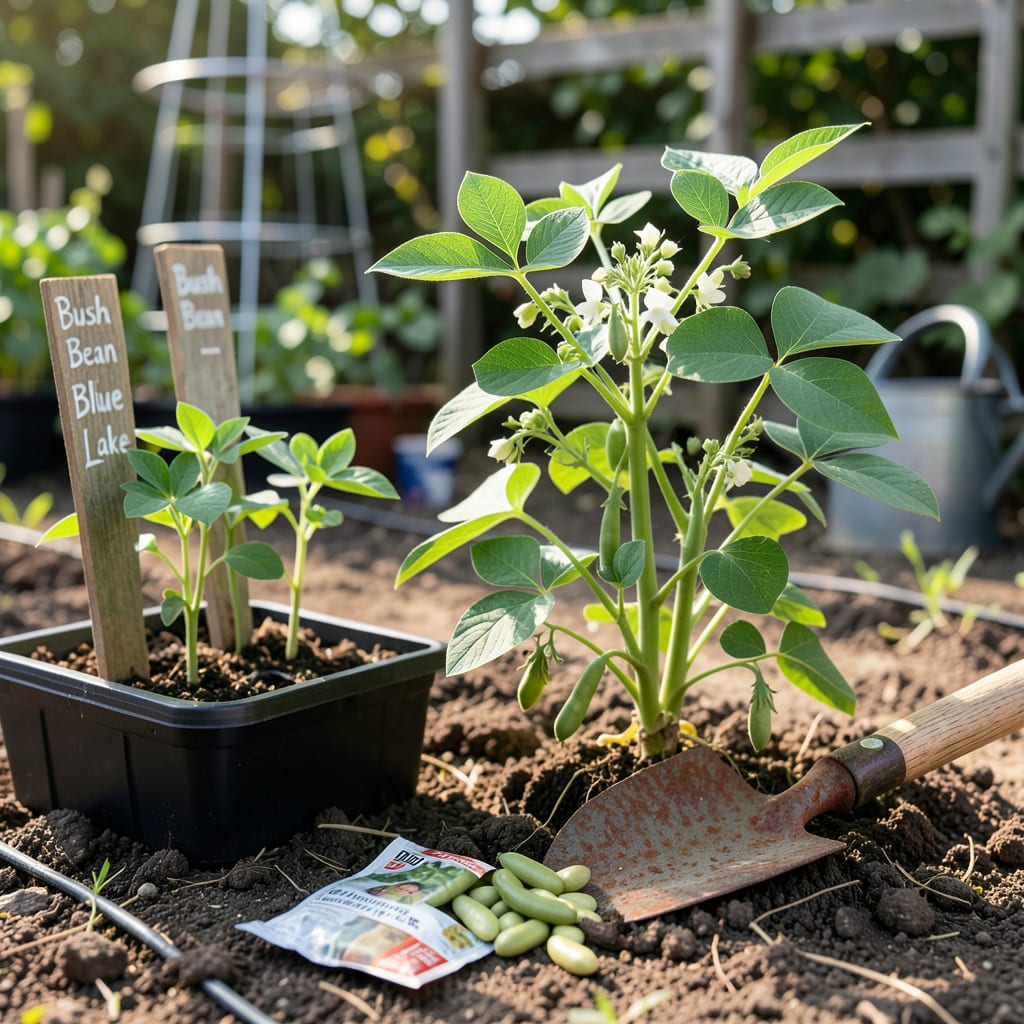
Timing your 🌱 Green Beans right in Oklahoma can mean the difference between a thriving harvest and a disappointing yield. Plant too early, and late frost might ruin your crop; wait too long, and the scorching summer heat will stunt growth before pods even form.
After years of testing what works best in Zone 7a, I’ve nailed down the perfect windows for both spring and fall crops. Whether you’re planting bush or pole varieties, I’ll show you exactly when to get those seeds in the ground for the fastest, most productive harvest yet.
Getting your green beans planted at the right time in Oklahoma’s Zone 7 can make or break your harvest. Our state’s unpredictable springs and scorching summers mean timing is critical. Plant too early, and a late frost could wipe out seedlings. Wait too long, and the summer heat will stress plants before they produce.
I’ve found that soil temperature is the best indicator—aim for at least 60°F at a 2-inch depth. Oklahoma’s last frost date averages around April 15, but microclimates vary. Let’s break down the ideal windows for both bush beans and pole beans, plus how to stagger plantings for a continuous harvest.
For spring plantings, I always wait until after April 15—our average last frost date—to avoid gamble with late cold snaps. If you’re eager to start earlier, use row covers or cloches to protect seedlings. Bush beans mature faster (50–60 days), so they’re ideal for Oklahoma’s short fall window.
Pole beans need warmer soil (65°F+) and a longer season, so I plant them 2 weeks later than bush beans. They’ll keep producing until frost if trellised properly. In fall, get them in the ground by early August to beat the first frost (around October 20 in most of Oklahoma).
Here’s my pro tip: Stagger plantings every 2 weeks through early June for a nonstop supply. When the first batch starts flowering, sow another row. This works beautifully in spring but skip it for fall—our growing season tapers off too quickly after August.
Watch the 10-day forecast before planting. If nighttime temps will dip below 50°F, hold off. Green beans hate cold feet! I’ve lost seedlings to a surprise late frost in early April, so I now use a soil thermometer to double-check temperatures at planting depth.
For fall crops, timing is even trickier. Count backward from your first frost date (October 20 for most of Zone 7) and add 10 days for harvest. That’s your latest planting date. In Tulsa, I aim for July 20–30; in Lawton, you might push to August 5.
Remember, Oklahoma’s clay soil warms slower than sandy loam. If your garden stays soggy after spring rains, consider raised beds or wait an extra week. I’ve had best results planting when the oak leaves are the size of a squirrel’s ear—a classic Oklahoma gardener’s rule of thumb!
Finally, keep an eye on the heat index. When temps climb above 90°F, bean flowers may drop without setting pods. Use shade cloth (30% density) during peak afternoon heat if you’re planting in late summer. With the right timing, you’ll be harvesting crisp beans from June through October!
Ready to get planting? Grab your seeds and a soil thermometer—your best Oklahoma green bean harvest starts with perfect timing. For more regional tips, check out our Oklahoma Vegetable Planting Calendar next! 🌱
Oklahoma’s clay-heavy soil can be tough on green beans if not prepped properly. The key is balancing drainage and nutrient retention—our native soil holds water but often lacks organic matter. I’ve found that amending with compost and sand transforms even the heaviest clay into a bean-friendly bed.
Start by testing your soil’s pH level—green beans thrive in 6.0–6.8. Oklahoma soil often leans alkaline, so I add sulfur or peat moss to lower pH if needed. A simple $10 test kit from your local extension office saves guesswork. Don’t skip this step; I’ve seen stunted plants in untested soil!
In spring, I avoid working wet soil—it compacts further. Wait until it crumbles in your hand (the “squeeze test”). For fall plantings, refresh beds with 1″ of compost and re-test pH, as summer rains can leach nutrients. Oklahoma’s humid summers mean fungal risks, so ensure good airflow by spacing plants 4–6″ apart for bush beans.
If you’re dealing with poor drainage, try this trick: dig a 12″ deep trench, fill the bottom with gravel, then add your amended soil. This creates a “French drain” effect for bean roots. I used this method in my Tulsa garden after losing plants to root rot, and yields doubled the next season!
Don’t forget about micronutrients! Oklahoma soil often lacks magnesium and calcium. I add 1 cup of Epsom salt (magnesium) and crushed eggshells (calcium) per 10 ft row when planting. Yellowing leaves between veins? That’s a magnesium deficiency—sprinkle 1 tbsp Epsom salt around each plant and water in.
For container gardening, use a mix of 60% potting soil, 30% compost, and 10% perlite. Green beans in pots need daily watering in Oklahoma summers—our 100°F+ temps dry out containers fast. I place a drip tray underneath to catch runoff and reuse it.
Finally, rotate your crops! Never plant green beans in the same spot yearly—it depletes soil and invites pests. I follow beans with heavy feeders like tomatoes or peppers, then replenish with cover crops (clover or winter rye) in off-seasons. This keeps Oklahoma soil productive year after year. 🌿
Even with perfect timing, some common missteps can sabotage your Oklahoma green bean harvest. After years of trial and error in Zone 7, I’ve identified the top 5 mistakes that reduce yields—and how to avoid them. These errors often stem from underestimating our state’s clay soil and extreme weather swings.
First up: ignoring microclimates. Your neighbor’s planting date might not work for your garden. A low-lying spot stays cooler and wetter, while a south-facing slope dries out faster. I once lost an entire row of beans because I followed a generic calendar instead of watching my specific garden conditions. 🌱
Another critical error: overwatering in Oklahoma’s humid summers. Many gardeners assume beans need daily watering, but soggy soil causes root rot and invites pests. I water my beans every 3–4 days (deeply, at the base) unless we’re in a drought. The “finger test” works great—stick your finger 1″ into the soil. If it’s dry, water; if moist, wait.
Mexican bean beetles are public enemy #1 for Oklahoma gardeners. These copper-colored pests skeletonize leaves overnight. I lost half my crop one year before learning to check undersides of leaves weekly and hand-pick eggs. Now I use floating row covers until flowers appear, then switch to neem oil sprays every 5 days.
Here’s a mistake I see often: planting seeds too deep in our heavy soil. Green beans need only ½–1″ of coverage. Any deeper, and they’ll struggle to emerge. In clay, I plant at ½” depth and firm soil gently. If crusting is an issue, lay a thin mulch of grass clippings to keep soil loose for sprouting.
Finally, don’t forget to rotate crops! Planting beans in the same spot yearly depletes nitrogen and invites diseases. I follow a 3-year rotation: beans → tomatoes → greens → back to beans. If space is tight, at least move them to a new spot 10 feet away. This simple step boosted my yields by 30% one season. 🌿
Green beans need soil temps of at least 60°F to germinate well. In Oklahoma, this typically happens 2–3 weeks after the last frost (around mid-April). Use a soil thermometer to check at 2-inch depth for accuracy.
Yes! For a fall harvest, plant bush beans by July 20–August 10 in most of Zone 7. Pole beans need an earlier start (July 15) since they take longer to mature. Count backward from your first frost date to time it right.
If planting before April 15, use row covers or cloches to shield young plants. Remove covers during the day to prevent overheating. For extra protection, mulch with straw to insulate soil and retain warmth overnight.
This often happens when temps exceed 90°F—beans drop flowers to conserve energy. Provide afternoon shade with 30% shade cloth and keep soil consistently moist. Over-fertilizing (too much nitrogen) can also cause leafy growth with few pods.
Work in 2–3 inches of compost and 1 inch of coarse sand to improve drainage. Test soil pH (aim for 6.0–6.8); add sulfur if it’s too alkaline. Raised beds help if your garden stays soggy after rain.
