
Beautiful Plants For Your Interior
Beautiful Plants For Your Interior
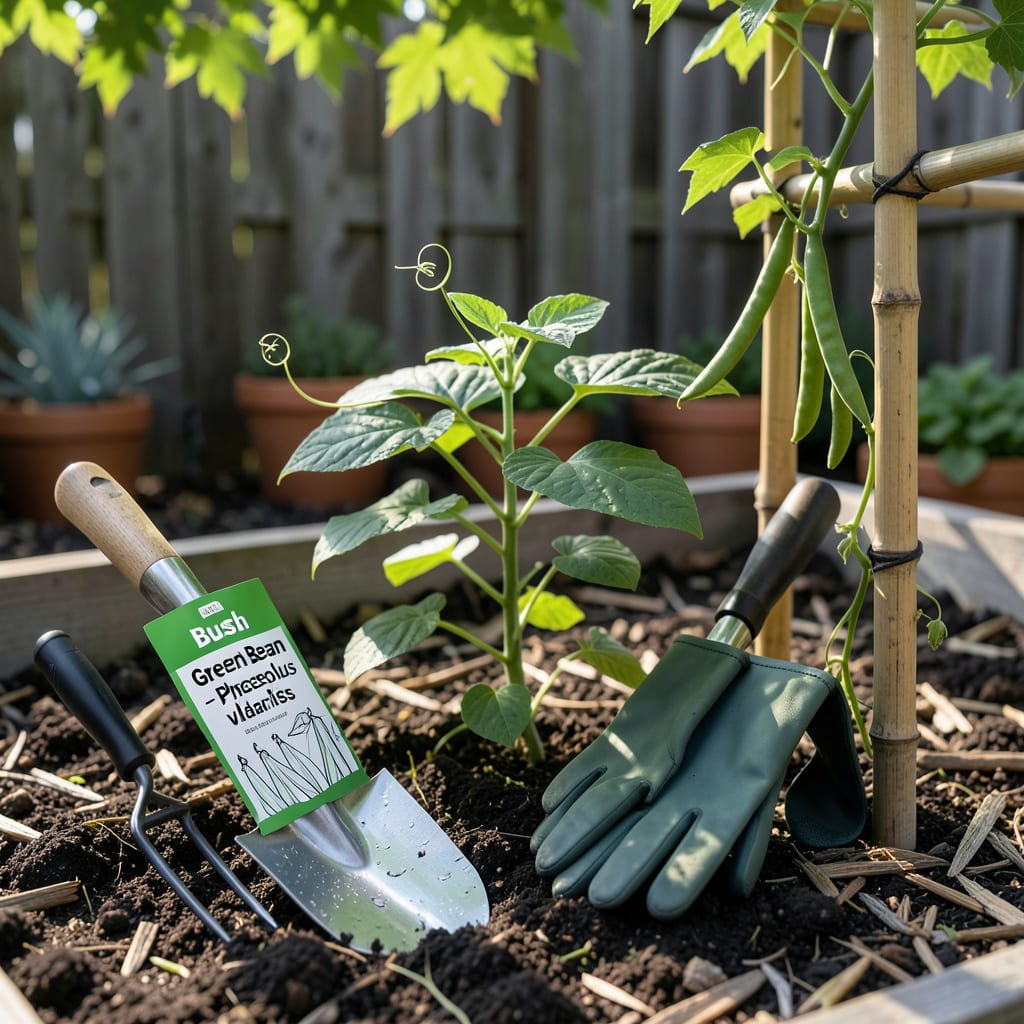
Timing can make or break your 🫘 Green Bean harvest in Ohio. Plant too soon, and a late frost might wipe out your seedlings. Wait too long, and you’ll miss the sweet spot for plump, tender pods.
After years of testing in Zone 6a, I’ve nailed the perfect window—no guesswork, just a foolproof schedule. Let’s cut through the confusion so you can plant with confidence and enjoy buckets of beans by summer.
Ohio’s climate can be tricky for green beans, but getting the timing right is simpler than you think. The key is watching soil temperature—it must be at least 60°F for seeds to germinate properly. In most of Ohio (Zones 5-6), this happens around late April to early May.
Northern Ohio gardeners need to be more cautious, as frost lingers longer there. Southern Ohio, with its slightly warmer microclimate, can often plant a week or two earlier. I’ll break down the exact windows so you can plan with confidence.
| Region | Spring Planting Window | Fall Planting Window | Last Frost Date |
|---|---|---|---|
| Northern Ohio (Cleveland, Toledo) | May 1 – May 15 | July 15 – August 1 | May 10 |
| Central Ohio (Columbus, Dayton) | April 15 – April 30 | July 1 – July 15 | April 25 |
| Southern Ohio (Cincinnati, Athens) | April 1 – April 15 | June 15 – June 30 | April 10 |
Note: Adjust dates by 1-2 weeks based on real-time soil temps and weather forecasts.
For spring planting, aim to sow seeds 2 weeks after your last frost date. This gives the soil enough time to warm up. If you’re eager to get started, you can use black plastic mulch to speed up warming by a few degrees.
Fall planting is often overlooked but can yield a fantastic second harvest. The trick is counting backward from your first frost date. Most green bean varieties need 50-60 days to mature, so plant accordingly. I love ‘Contender’ for fall—it’s cold-tolerant and fast-growing.
Soil prep matters just as much as timing. Ohio’s clay-heavy soils benefit from compost or aged manure worked in before planting. A pH of 6.0-6.8 is ideal. If your soil is too acidic, a light dusting of lime can help balance it.
Don’t forget about succession planting! For a continuous supply, I plant a new row every 2 weeks until mid-July. This staggers the harvest and prevents a glut of beans all at once. Pole beans are great for this—they produce longer than bush varieties.
Watch the 10-day forecast before planting. If nighttime temps are still dipping below 50°F, hold off. Cold soil can cause seeds to rot. A simple soil thermometer (available at any garden center) takes the guesswork out of timing.
If you’re in a cooler microclimate or had a late spring, don’t panic. Green beans grow quickly—you can still plant as late as early June and get a decent harvest. Just opt for faster-maturing varieties like ‘Blue Lake Bush’ (50 days) or ‘Provider’ (50 days).
For those in urban areas with warmer microclimates (think Columbus or Cincinnati), you might push your planting date a week earlier. Container gardeners can start even sooner—pots warm up faster than garden beds. Just ensure containers are at least 12 inches deep for proper root development.
Remember, green beans are frost-sensitive. If an unexpected cold snap hits after planting, cover seedlings with row fabric or old blankets. A little protection can save your crop and keep you on track for a bountiful harvest.
Even experienced gardeners can stumble when planting green beans in Ohio. The biggest issue I see? Planting too early in cold soil. Those little seeds won’t germinate properly if the ground is below 60°F, and they might just rot before sprouting.
Another common blunder is overcrowding seeds. It’s tempting to plant extra for a bigger harvest, but cramped beans compete for nutrients and sunlight. Stick to 2-3 inches apart for bush beans and 4-6 inches for pole varieties to give them room to thrive.
Many gardeners also neglect soil pH, which is crucial in Ohio’s clay-heavy ground. A quick soil test can save you headaches later. If your pH is too low, work in garden lime a few weeks before planting to sweeten the soil.
Succession planting is another missed opportunity. Planting all your seeds at once gives you one big harvest—and then nothing. Instead, I sow a new row every 10-14 days until mid-July for beans all season.
Watering mistakes can also derail your crop. Overwatering leads to fungal issues, while underwatering causes tough, stringy pods. Aim for 1 inch per week, watering deeply in the morning so foliage dries before evening.
Don’t let late frosts catch you off guard. Even in Southern Ohio, a surprise cold snap can damage young plants. Keep row covers handy to protect seedlings if temps dip below 32°F after planting.
Finally, choosing the wrong variety can limit your success. For Ohio’s shorter season, I recommend fast-maturing types like ‘Provider’ (50 days) or ‘Contender’ (55 days). These thrive in our 180-day growing window and handle temperature swings better than longer-season varieties.
Want fresh green beans from July through September? The secret is succession planting. Instead of sowing all your seeds at once, I plant a new row every 2 weeks until mid-July. This staggers the harvest so you’re not overwhelmed with beans all at once.
Start your first planting 2 weeks after the last frost (around late April in most of Ohio). Then, mark your calendar to sow more seeds every 10-14 days. This simple trick keeps your garden producing fresh pods for months instead of just a few weeks.
Use fast-maturing varieties like ‘Provider’ (50 days) for late-summer plantings. They’ll produce before frost hits!
For a fall harvest, count backward from your first frost date (around October 15). Since most green beans need 50-60 days to mature, aim to plant by late July in Northern Ohio or mid-August in Southern regions.
To protect against unexpected cold snaps, keep row covers or old blankets handy. A single night of frost can wipe out tender seedlings. I also recommend choosing cold-tolerant varieties like ‘Contender’ for fall plantings—they handle temperature swings better than most.
Don’t forget about pole beans! They take slightly longer to mature but produce for weeks longer than bush varieties. Trellised beans also save space and make harvesting easier. Try ‘Kentucky Wonder’—it’s a classic for Ohio gardens and thrives in our 180-day growing season.
No, green beans are frost-sensitive and won’t survive cold snaps. Wait until 2 weeks after your last frost date when soil reaches 60°F. Northern Ohio gardeners should be especially cautious, as frost lingers longer there.
For a summer harvest, plant by early June at the latest. For fall, count backward 50-60 days from your first frost (around October 15). Fast-maturing varieties like ‘Provider’ work best for late plantings.
Soaking isn’t required but can speed germination. If you choose to soak, use lukewarm water for 2-4 hours before planting. This is especially helpful in Ohio’s sometimes-cool spring soils. Avoid soaking longer than 12 hours to prevent rot.
Plant seeds 1 inch deep in well-drained soil. In Ohio’s clay-heavy ground, consider planting slightly shallower (3/4 inch) to help seedlings emerge more easily. Always check seed packets for variety-specific instructions.
Choose containers at least 12 inches deep with good drainage. Bush varieties work best for containers. Remember that pots dry out faster, so check moisture daily during Ohio’s summer heat.
