
Beautiful Plants For Your Interior
Beautiful Plants For Your Interior
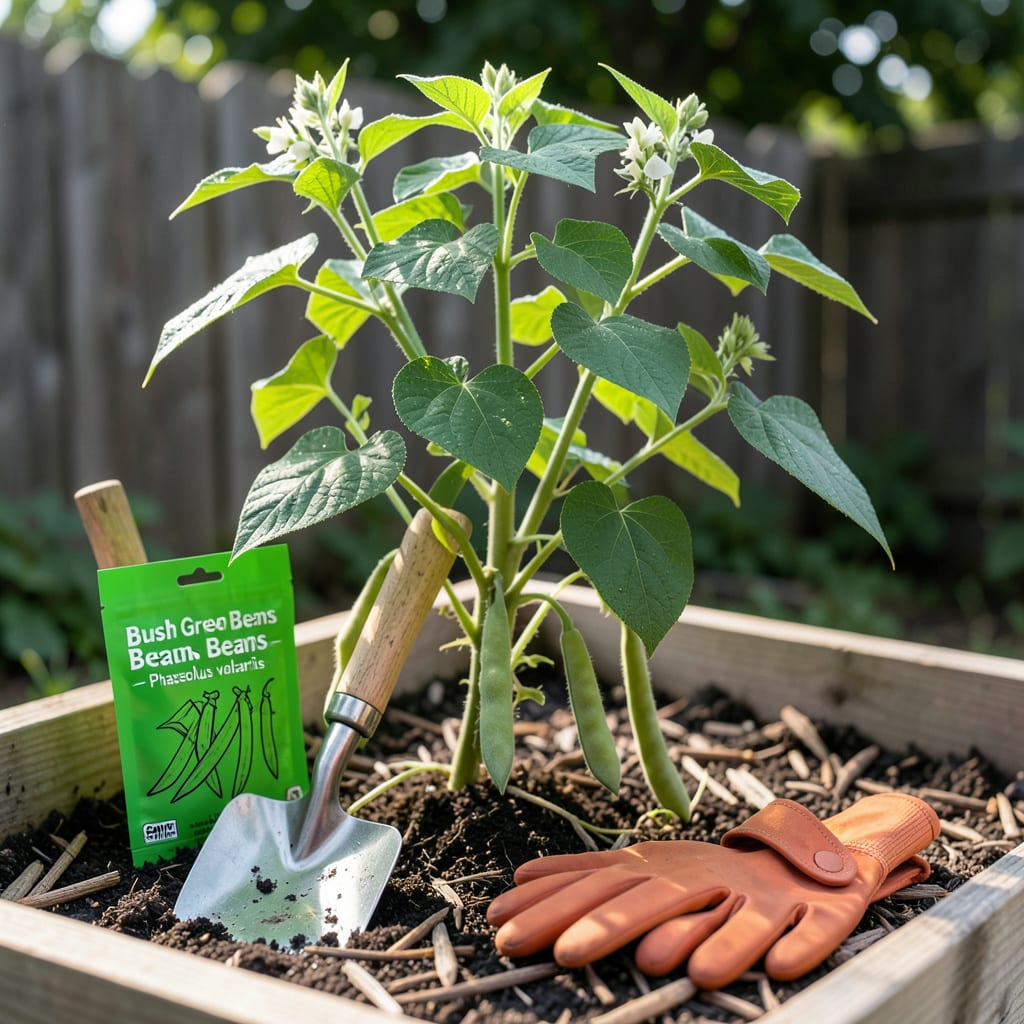
Timing your green bean planting in North Carolina can mean the difference between a bountiful harvest and a disappointing yield. Our state’s diverse climate—from the coast to the mountains—demands precise planning to avoid frost damage and heat stress.
I’ll break down the exact frost-free windows for your region, share the best varieties for NC’s humidity, and reveal how to stagger plantings for beans all season. Whether you’re in Raleigh or Asheville, these proven schedules will maximize your harvest without the guesswork.
If you’re growing green beans in North Carolina, timing is your secret weapon. Our state’s diverse climate means what works in Asheville’s mountains won’t fly in Wilmington’s coastal heat. I’ve learned the hard way that soil temperature—not just calendar dates—makes or breaks your harvest.
North Carolina spans three USDA zones (6-8), with last frost dates ranging from early April to mid-May. For bush beans, aim for soil temps above 60°F; pole beans can handle slightly cooler conditions but still need warmth to thrive. Let’s break it down by region.
| Region | Last Frost Date | Spring Planting | Fall Planting | Best Varieties |
|---|---|---|---|---|
| Coastal (Zone 8) | March 15–30 | Early April–May | Late Aug–Sept 1 | Heat-tolerant (e.g., Rattlesnake Pole) |
| Piedmont (Zone 7) | April 1–15 | Mid-April–May | Aug 15–Sept 10 | Bush: Blue Lake; Pole: Kentucky Wonder |
| Mountains (Zone 6) | April 15–May 1 | Late April–June | July 15–Aug 15 | Cool-tolerant (e.g., Provider Bush) |
Soil temp must be ≥60°F for germination. Use a soil thermometer!
In the Coastal Plain, you can sneak in an early April planting if the soil’s warm, but Piedmont gardeners should wait until mid-April to avoid late frosts. I always check the NC State Extension’s frost maps for hyper-local data—your county’s microclimate matters!
For fall plantings, timing is trickier. Count backward from your first frost date (Oct 15 in the Piedmont, earlier in the mountains). Bush beans need 50–60 days to mature, so plant by early September in Raleigh or mid-August in Boone.
Pole beans take longer (60–90 days) but produce all season. In hot summers, opt for heat-resistant varieties like Cherokee Trail of Tears. I’ve found they thrive even when temps hit 90°F+, while standard varieties may drop blossoms.
Pro tip: Succession planting every 2–3 weeks extends your harvest. Start with bush beans in April, then add pole beans in May for a nonstop supply until frost. Just remember—July plantings often struggle with Mexican bean beetles, so keep row covers handy.
If you’re in an urban area, watch for “heat islands” that can speed up growth (or stress plants). I use shade cloth for afternoon relief in my Charlotte garden. Rural folks might face cooler soils, so black plastic mulch helps warm the bed faster.
Still unsure? Grab a $10 soil thermometer—it’s my #1 tool for nailing planting time. When the dirt hits 60°F at 2″ deep, you’re good to go. And if a late frost threatens, floating row covers can save your seedlings without stunting growth.
Finally, don’t forget soil prep! Work in 1–2 inches of compost before planting, and avoid fresh manure—it’ll burn tender roots. With the right timing and care, you’ll be drowning in crisp, sweet beans all summer long. 🌱
Want green beans all summer instead of one overwhelming harvest? Succession planting is your answer. By staggering plantings every 2-3 weeks, you’ll avoid the feast-or-famine cycle and keep fresh pods coming until frost. Here’s how I do it in my NC garden.
The key is matching your planting dates to your variety’s days-to-maturity. Bush beans (50-60 days) work for quick turnarounds, while pole beans (60-90 days) need more lead time. I always start with early-maturing varieties like Provider in April, then switch to heat-lovers like Rattlesnake for July.
Adjust dates by ±7 days based on your microclimate!
For spring plantings, I soak seeds overnight to speed germination. The second planting (mid-May) often outperforms the first because soils are warmer. Just watch for blossom drop if nights stay above 70°F—that’s your cue to add mulch and water deeply.
The tricky middle (June/July) is when most gardeners fail. My secret? Switch to heat-tolerant varieties like Cherokee Trail of Tears and plant in partial shade (3-4 hours of afternoon relief). I also increase spacing to 4″ apart for better airflow—this cuts down on fungal issues during our humid NC summers.
Fall plantings require reverse math: Count backward from your first frost date (Oct 15 in Raleigh, earlier in mountains). Add 10 days as a buffer—cool temps slow growth. I boost fall crops with low-nitrogen fertilizer (5-10-10) to encourage pods over foliage. Row covers extend the season by 2-3 weeks if early frosts threaten.
Remember: Pole beans need trellises at planting—don’t wait! I use cattle panels (cheap at Tractor Supply) bent into arches. For bush beans, a thick mulch (straw or grass clippings) keeps roots cool and conserves moisture during our drought-prone Augusts. With this system, I harvest beans from June through October every year. 🌿
Even experienced gardeners can sabotage their green bean harvest with common mistakes. In North Carolina’s finicky climate, timing and technique matter more than you’d think. I’ve ruined entire crops by ignoring these pitfalls—don’t repeat my errors!
The #1 killer of NC bean crops? Planting in cold soil. Beans rot if soil temps dip below 60°F. I lost a whole bed in early April because I trusted the calendar over my soil thermometer. Wait until 2″ deep reads 60°F+—no exceptions.
Fix it fast: Row covers for pests, shade cloth for heat, and always check soil temp! 🌡️
Overcrowding is another silent yield-killer. I used to plant beans 1″ apart to “maximize space”—big mistake! Crowded plants compete for nutrients and airflow, inviting powdery mildew. Stick to 2″ for bush beans, 4-6″ for pole beans, and thin ruthlessly.
Pole beans without trellises create a jungle. I once waited until plants were 12″ tall to add supports—what a disaster! Vines tangled into impenetrable mats, and harvests plummeted. Install trellises at planting (I use cattle panels or bamboo tepees) so vines climb immediately.
Don’t let Mexican bean beetles destroy your summer crop. These yellow-orange pests skeletonize leaves overnight. I lost half my July planting before switching to floating row covers. At first sign of eggs (tiny yellow clusters), spray with neem oil or release ladybugs.
Finally, fall planting miscalculations waste seeds. Many NC gardeners plant too late—beans need 60-70 days to mature. In Raleigh, August 15 is your cutoff; mountain gardeners must plant by July 15. Use fast-maturing varieties like Bush Blue Lake (50 days) for fall success. 🌱
Wait until soil reaches at least 60°F at 2″ depth. Use a soil thermometer—planting in colder soil causes seeds to rot. Coastal areas warm up faster than mountains, so check your specific region’s conditions.
Plant in spring (April-May) and again in late summer (August) for a fall harvest. Just ensure your second planting matures before the first frost. Coastal gardeners have more flexibility than mountain growers.
For summer plantings, choose heat-tolerant varieties like Rattlesnake Pole or Cherokee Trail of Tears. These handle 90°F+ temps better than standard types. Bush beans like Provider also perform well in NC’s humidity.
Cover seedlings with floating row covers immediately after planting. Remove covers when flowers appear for pollination. Spray neem oil at first sign of eggs (yellow clusters on leaves). Ladybugs are natural predators too!
Definitely! Plant every 2-3 weeks until mid-summer for continuous harvests. This prevents a single overwhelming crop and extends your bean season. Just adjust timing based on your region’s frost dates.
