
Beautiful Plants For Your Interior
Beautiful Plants For Your Interior
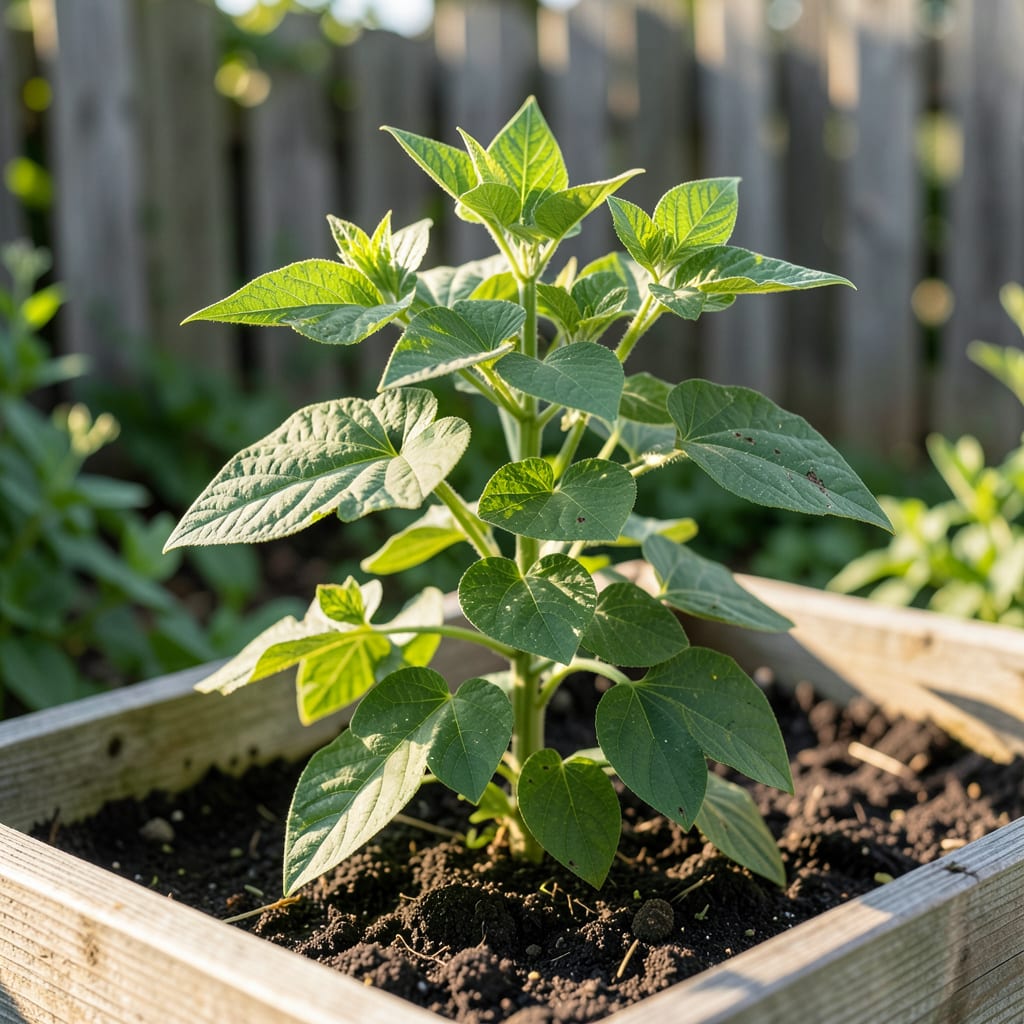
Missouri gardeners know the frustration: plant your 🫘 Green Beans too early, and a late frost could ruin everything. Wait too long, and the summer heat might leave you with a lackluster harvest. The difference between success and disappointment often comes down to just a few weeks.
After years of testing and tweaking, I’ve nailed the perfect planting window for Missouri’s unpredictable climate. Whether you’re in St. Louis or up near Kansas City, I’ll show you exactly when to get those seeds in the ground for a bountiful, stress-free harvest.
If you’ve ever wondered why your neighbor’s green beans thrive while yours struggle, the answer often lies in perfectly timed planting. Missouri’s climate varies dramatically—from the cooler northern zones near Kansas City to the warmer southern regions like Springfield. The key is matching your planting dates to your exact location.
Green beans are frost-sensitive, so soil temperature matters more than calendar dates. Aim for 60°F+ soil—about 1-2 weeks after your last frost. In most of Missouri, that means mid-April to early May for spring planting. But don’t stop there: a late summer planting (July-August) can yield a second harvest before fall frosts hit.
| Region | USDA Zone | Spring Planting | Fall Planting | Last Frost |
|---|---|---|---|---|
| Northern MO (KC) | 5b-6a | April 20–May 10 | July 15–Aug 1 | April 15 |
| Central MO (Columbia) | 6a-6b | April 10–April 30 | July 10–July 25 | April 10 |
| Southern MO (Springfield) | 6b-7a | April 1–April 20 | July 1–July 15 | March 30 |
| St. Louis Metro | 6b-7a | April 5–April 25 | July 5–July 20 | April 5 |
*Adjust dates by 1 week earlier for urban heat islands (e.g., downtown KC/STL).
For bush beans, plant all at once for a concentrated harvest. But if you love pole beans, stagger plantings every 2 weeks until mid-July. This succession planting trick keeps your kitchen supplied with fresh beans all season—no glut, no shortages.
Missouri’s clay-heavy soils can be a challenge, especially in the north. Work in 2–3 inches of compost before planting to improve drainage. I’ve found that raised beds warm up faster in spring, giving you a 1–2 week head start on the growing season.
Watch the 10-day forecast before planting. If nighttime temps dip below 50°F, hold off—green beans hate cold feet! A soil thermometer (just $10 at garden centers) takes the guesswork out. Stick it 2 inches deep at 9 AM; if it reads 60°F+, you’re good to go.
Fall plantings require extra attention. Count backward from your first frost date (around October 15 for most of Missouri) and plant 60–70 days prior. This ensures pods mature before cold weather slows growth. Mulch heavily with straw or shredded leaves to protect plants from early frosts.
Pro tip: If you’re in a low-lying area prone to frost pockets (common in the Ozarks), wait an extra week in spring or use row covers for protection. I’ve saved many a crop by tossing an old bedsheet over seedlings when unexpected cold snaps hit.
For those in urban areas like St. Louis or Kansas City, microclimates can extend your season. South-facing walls or paved surfaces absorb heat, letting you plant 5–7 days earlier than rural areas. Just monitor soil moisture—urban soils dry out faster!
Remember, green beans grow fast—most varieties go from seed to harvest in 50–60 days. Mark your calendar for late June to early August harvests from spring plantings, and September to October for fall crops. With the right timing, you’ll enjoy crisp, homegrown beans all season long. 🌱
Even with perfect timing, small errors can sabotage your 🫘 green bean harvest. I’ve seen Missouri gardeners make these same mistakes year after year—often without realizing how much they’re costing themselves in yield and plant health. Let’s fix that before you even put seeds in the ground.
The biggest offender? Planting in cold soil. Green beans need 60°F+ soil temps to germinate properly. If your soil’s too chilly, seeds rot instead of sprouting. I’ve lost entire rows by rushing to plant after the last frost date without checking soil temperature first.
*Bonus: Watering at night promotes fungal diseases—always water in the morning!
Missouri’s heavy clay soil is another silent yield-killer. It compacts easily, suffocating roots and trapping water. The fix? Work in 3–4 inches of compost or aged manure before planting. I’ve doubled my harvests just by improving drainage in my Kansas City garden’s clay.
Overwatering is surprisingly common with green beans. They need 1 inch of water weekly, but Missouri’s summer storms often provide enough. Stick your finger 1 inch deep—if the soil’s moist, hold off on watering. Drip irrigation works best to keep foliage dry and prevent diseases.
Here’s a mistake I made for years: planting all seeds at once. Bush beans produce heavily for 2–3 weeks, then taper off. Instead, plant 1/3 of your seeds every 2 weeks. This staggered approach gives you fresh beans all summer instead of one overwhelming glut.
Finally, don’t overlook pest prevention. Missouri’s humidity attracts Mexican bean beetles and aphids. I’ve had best results with floating row covers early in the season, then switching to neem oil sprays once flowers appear. Planting marigolds nearby also deters pests naturally.
Remember, green beans grow fast—most varieties mature in 50–60 days. Avoid these mistakes, and you’ll be harvesting crisp, sweet pods while your neighbors wonder why their plants are struggling. Your future self (and your dinner plate) will thank you! 🌿
Not all green beans thrive equally in Missouri’s humid summers and clay-heavy soils. After testing dozens of varieties across the state, I’ve found the top performers that resist diseases, handle heat waves, and produce heavily in our Zones 5-7 climate. Let’s dig into the best picks for your garden.
The classic ‘Blue Lake’ bush bean remains my #1 recommendation for Missouri gardeners. It’s disease-resistant, produces straight, tender pods, and handles our summer humidity better than most. For pole beans, ‘Kentucky Wonder’ is unbeatable—vines reach 6-8 feet and keep producing until frost if you keep harvesting.
*For clay soil, choose shorter bush varieties to reduce root stress.
For planting depth, I always go with 1 inch deep—deep enough for good root anchorage but shallow enough for quick sprouting. Spacing matters too: give bush beans 2-4 inches between plants and pole beans 4-6 inches at the base of their trellis. Crowding leads to weak stems and poor air circulation.
Missouri’s clay soil demands extra prep. Before planting, I work in 2-3 inches of compost and a handful of sand to improve drainage. For pole beans, install your trellis at planting time—trying to add it later risks damaging roots. A simple 5-foot bamboo teepee or cattle panel arch works perfectly.
Watering is critical during the first 2 weeks after planting. Keep soil consistently moist but not soggy—about 1 inch per week. Once plants are established, they’re fairly drought-tolerant, but mulching with straw helps retain moisture in our hot summers. I’ve found drip irrigation works best to keep foliage dry and prevent fungal issues.
For a continuous harvest, plant new seeds every 2 weeks until mid-July. This succession planting ensures you’ll have fresh beans all summer instead of one overwhelming harvest. Most varieties mature in 50-60 days, so time your final planting to mature before the first frost (around October 15 for most of Missouri). 🌿
Green beans need soil at least 60°F to germinate properly. Use a soil thermometer to check 2 inches deep in the morning. Planting in colder soil risks seed rot and poor sprouting.
For a fall harvest, plant again in mid-July to early August. Count backward 60–70 days from your first frost date (around October 15 for most of Missouri). Mulch heavily to protect from early frosts.
Work in 2–3 inches of compost and a handful of sand to improve drainage. Raised beds warm up faster and help roots avoid waterlogged clay. In northern Missouri, this prep is especially critical.
Bush beans grow compact (2–3 feet) and produce all at once, while pole beans climb 6+ feet and yield continuously. Pole varieties need trellises but extend your harvest window. For Missouri, both thrive if planted after soil reaches 60°F.
Urban “heat islands” (paved areas, south-facing walls) let you plant 5–7 days earlier than rural zones. However, watch soil moisture—urban soils dry out faster. Adjust your watering schedule accordingly.
