
Beautiful Plants For Your Interior
Beautiful Plants For Your Interior
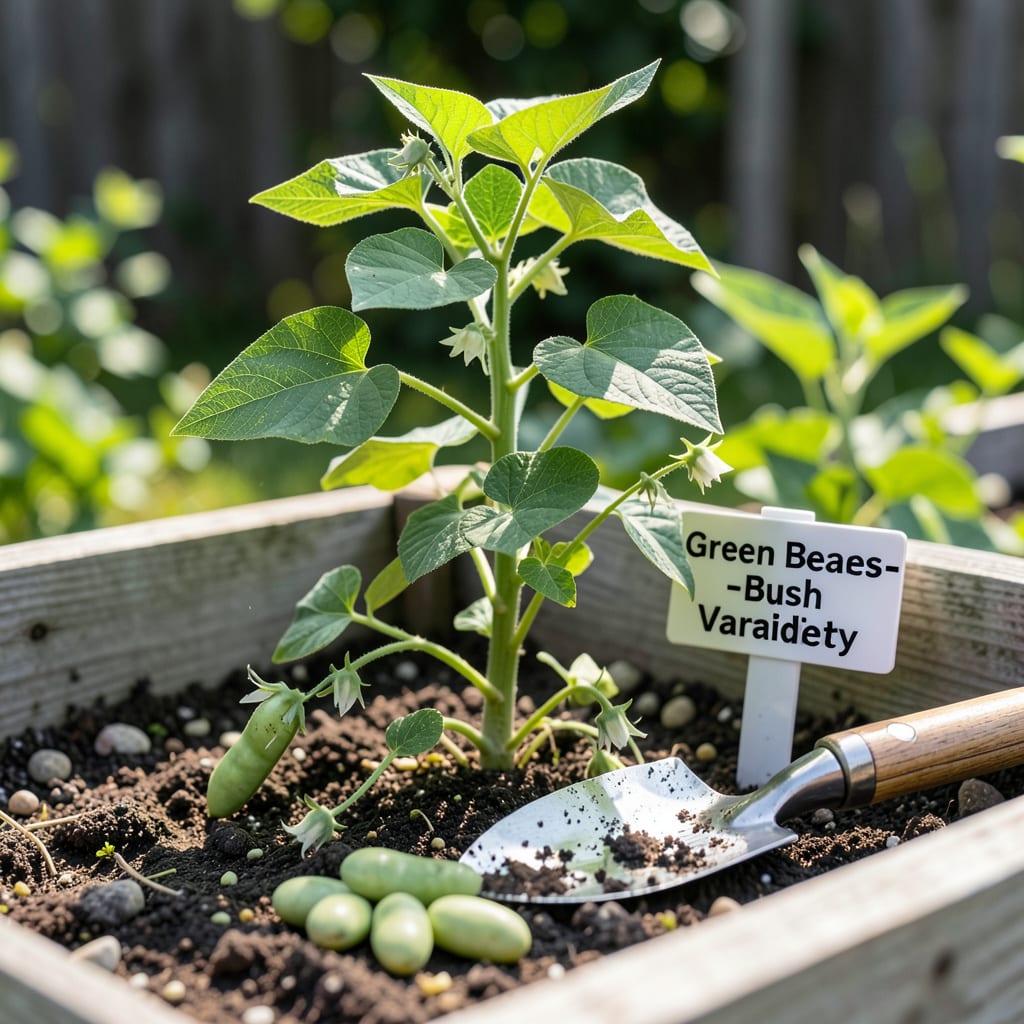
Timing your 🌱 Green Beans just right in Kansas can mean the difference between a bountiful harvest and a disappointing yield. Our state’s unpredictable swings—late frosts in spring and scorching summers—make planting windows critical.
After years of testing what works (and what doesn’t) in Zones 6a-7a, I’ll show you exactly when to get those seeds in the ground. You’ll learn how to outsmart Kansas weather for faster growth and pods that keep coming all season long.
If you’re growing green beans in Kansas, timing isn’t just important—it’s everything. Our state’s unpredictable springs and scorching summers mean you’ve got a narrow window to get it right. The key? Waiting until soil temps hit 60°F and all frost risk has passed.
Kansas spans USDA Zones 5b-7a, so your planting dates shift whether you’re in Lawrence or Dodge City. Eastern Kansas typically plants 2-3 weeks earlier than western regions due to milder conditions. Let’s break down the exact timing for your area.
| Region | Spring Planting | Fall Planting | Last Frost Date |
|---|---|---|---|
| Eastern KS (Zone 6a) | April 10-30 | July 20-Aug 10 | April 15 |
| Central KS (Zone 6b) | April 20-May 10 | July 15-31 | April 20 |
| Western KS (Zone 7a) | May 1-20 | July 10-25 | April 25 |
*Soil temp must be 60°F+ for germination. Use a soil thermometer!
For spring planting, I always recommend waiting until 2 weeks after your last frost date. In Wichita (Zone 6b), that means mid-April, while Garden City (Zone 7a) gardeners should wait until early May. The soil temperature is more critical than the calendar date.
Want a second harvest? Fall planting works beautifully in Kansas. The trick is counting backward: sow seeds 10-12 weeks before first frost. For most of the state, that’s early August. Fall beans often produce sweeter pods thanks to cooler nights.
I’ve found bush beans like ‘Blue Lake’ mature faster (50-55 days), making them ideal for Kansas’s shorter seasons. Pole beans like ‘Kentucky Wonder’ need more time (60-65 days) but produce longer. In hot summers, I recommend heat-tolerant varieties like ‘Contender’ or ‘Roma II’.
Kansas’s clay-heavy soils can be tough on beans. Before planting, work in 2-3 inches of compost to improve drainage. If your soil is sandy (common in western KS), add peat moss or coconut coir to retain moisture during our dry spells.
Here’s my pro tip for Kansas gardeners: succession plant every 2 weeks until mid-July. This staggers your harvest and prevents getting overwhelmed with beans all at once. I plant a new row every 14 days for continuous production.
Remember, Kansas weather loves to surprise us. If a late frost threatens after you’ve planted, cover seedlings with frost cloth or old blankets. And during July heatwaves, mulch heavily to keep roots cool and moist.
For the most accurate dates, check with your local K-State Extension office. They track microclimate variations that can shift planting windows by a week or more. I’ve had my best yields when I combine their data with my own soil temperature readings.
Even experienced Kansas gardeners sometimes get their green bean planting wrong. The biggest mistake I see? Planting too early when soil temps are still below 55°F. Those seeds will just rot in cold, wet ground.
Another common error is ignoring succession planting. Many gardeners plant all their beans at once, then get overwhelmed with a single massive harvest. Kansas’s long growing season is perfect for staggered plantings every 2 weeks.
The third critical mistake is watering inconsistently. Green beans need even moisture, especially during flowering and pod formation. In Kansas’s hot, dry summers, that often means watering every 3-4 days when rainfall is scarce.
I’ve seen gardeners lose entire crops because they planted pole beans too late. These varieties need 60-65 days to mature, so in western Kansas (Zone 7a), you shouldn’t plant after July 1 for a fall harvest.
Another overlooked issue is poor soil prep. Kansas soils vary dramatically—from heavy clay in the east to sandy loam in the west. Always amend with 2-3 inches of compost before planting to improve both drainage and moisture retention.
Here’s my quick fix for these mistakes: Use a soil thermometer ($10 at any garden center), set phone reminders for succession plantings, and install drip irrigation on a timer. These simple tools solve 90% of Kansas green bean problems.
Remember, our unpredictable weather means you need to stay flexible. If a late frost hits after planting, cover seedlings with frost cloth. During heatwaves, add extra mulch to protect roots from our 100°F+ temps.
Getting your soil ready is half the battle when growing green beans in Kansas. Our state’s heavy clay in the east and sandy loam in the west both present challenges. The solution? A 3-inch layer of compost worked into the top 6 inches of soil before planting.
For clay-heavy areas like Kansas City, add gypsum or sand to improve drainage. In western Kansas where soil drains too fast, mix in coconut coir or peat moss to retain moisture. I always test my soil pH too—green beans thrive in 6.0-6.8 range.
*For western KS heat, choose Contender or Roma II for best results.
When it comes to fertilizing green beans, less is more. These plants fix their own nitrogen, so avoid high-nitrogen fertilizers. I use a 5-10-10 blend at planting, then side-dress with compost when flowers appear.
Mulching is non-negotiable in Kansas. A 2-3 inch layer of straw keeps soil moist during our 100°F summers and prevents weed competition. For pole beans, I use grass clippings as mulch—they break down quickly to feed the soil.
Don’t overlook companion planting. I always grow beans near corn (for natural support) and marigolds (to deter Mexican bean beetles). Avoid planting near onions or garlic—they can stunt bean growth.
For container growing, choose bush bean varieties like ‘Mascotte’ or ‘Blue Lake Bush’. Use 5-gallon containers with drainage holes and a lightweight potting mix. Kansas winds dry out containers fast, so check moisture daily in summer.
In eastern Kansas (Zone 6a), you can start planting as early as April 10 if soil temps reach 60°F. However, waiting until April 15-20 is safer to avoid late frost damage. Always check soil temperature with a thermometer for best results.
For a second harvest, plant fall beans 10-12 weeks before first frost. In most of Kansas, that means sowing seeds between July 20-August 10. Fall beans often taste sweeter due to cooler nights.
Cover seedlings with frost cloth or old blankets if temps dip below 32°F. For extra protection, use plastic milk jugs with the bottoms cut off as mini greenhouses. Remove covers during the day to prevent overheating.
For Kansas summers, choose heat-tolerant varieties like ‘Contender’ (50 days) or ‘Roma II’ (58 days). These perform well even when temps hit 90°F+. Pole beans like ‘Kentucky Wonder’ also tolerate heat better than most bush types.
During Kansas dry spells, water deeply every 3-4 days, providing 1-1.5 inches per week. Use drip irrigation to target roots and reduce evaporation. Mulch with 2-3 inches of straw to retain moisture between waterings.
