
Beautiful Plants For Your Interior
Beautiful Plants For Your Interior
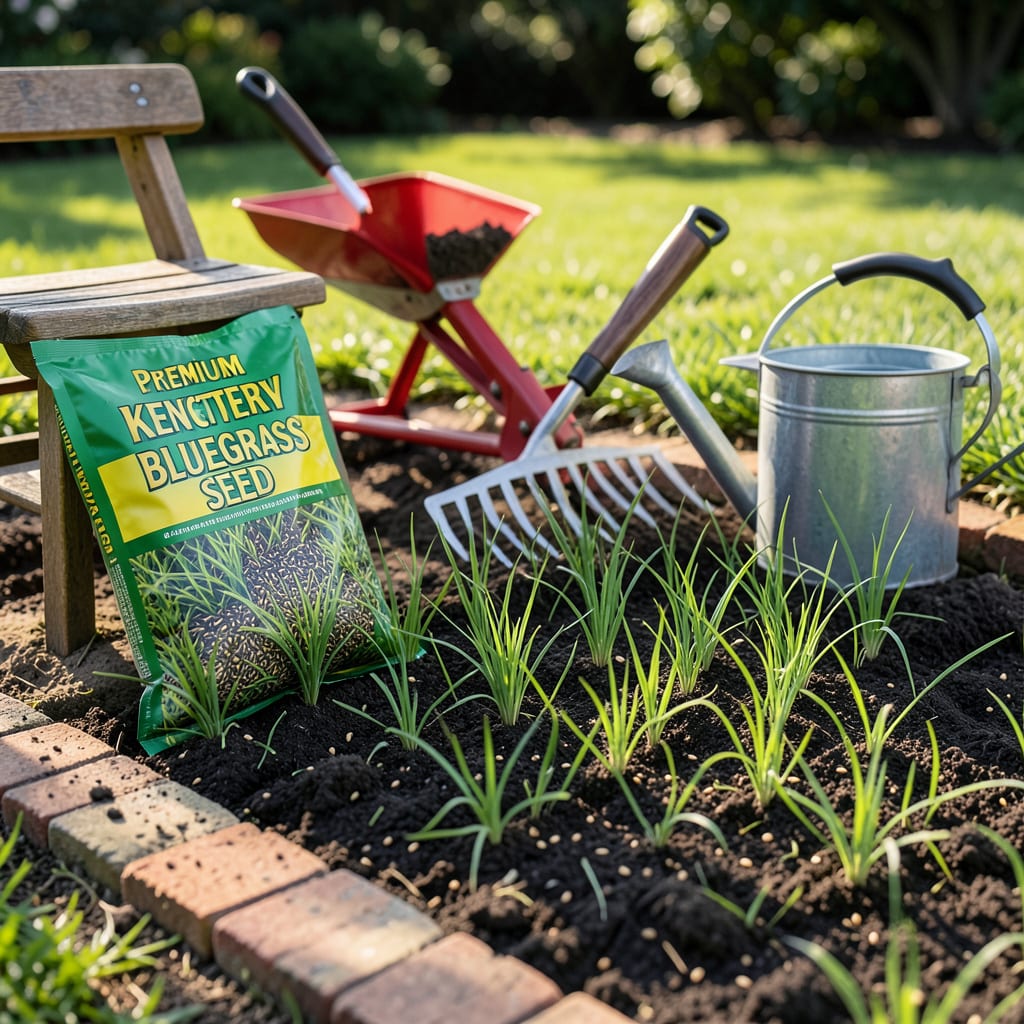
That perfect, lush lawn doesn’t happen by accident—it starts with one critical decision: when to plant your grass seeds in spring. Plant too early, and late frosts could wipe out your efforts. Wait too long, and summer heat might stunt growth before roots even establish.
After years of testing and refining, I’ve nailed down the exact window for 🌿 Grass that delivers thick, healthy turf. Whether you’re in USDA Zone 6 or adjusting for your local climate, I’ll show you how to time it right—so you’re not left staring at patchy dirt when your neighbors are enjoying their green paradise.
Timing your spring grass seeding isn’t just about picking a date—it’s about matching your grass type to your local climate. Cool-season grasses like Kentucky Bluegrass thrive when planted early, while warm-season varieties such as Bermuda need warmer soil. I’ve seen lawns fail because gardeners followed generic advice instead of their USDA zone.
The magic happens when soil temperatures hit 50–65°F. In Zone 6, that’s typically late March to early April. But if you’re in Zone 8, you might start as early as February. Always check your last frost date—seeding too close to frost risks poor germination. I’ll break down the specifics so you don’t waste seeds or effort.
| Grass Type | Ideal Planting Months | USDA Zones | Soil Temp Range |
|---|---|---|---|
| Kentucky Bluegrass | March–April | 3–7 | 50–65°F |
| Tall Fescue | March–May | 4–7 | 55–65°F |
| Bermuda | April–June | 7–10 | 65–70°F |
| Zoysia | May–June | 6–9 | 60–70°F |
| Perennial Ryegrass | March–April | 3–6 | 50–60°F |
Notice how cool-season grasses like Kentucky Bluegrass and Tall Fescue prefer earlier planting? That’s because they establish roots before summer heat arrives. In contrast, Bermuda and Zoysia need warmer soil to germinate properly. I once planted Bermuda in early April in Zone 7—big mistake! The seeds rotted in cold, wet soil.
Your local microclimate matters too. Coastal areas with mild winters can plant earlier, while inland regions with late frosts should wait. Use a soil thermometer (inexpensive at garden centers) to check temps at 2-inch depth. If it reads below 50°F, hold off. Patience here prevents costly reseeding later.
For overseeding existing lawns, adjust timing slightly. Cool-season grasses benefit from overseeding in early spring (February–March in warmer zones). Warm-season lawns should be overseeded in late spring (May) to avoid competition with existing grass. I overseeded my fescue lawn in early March last year—it filled in beautifully by May.
Don’t forget rainfall patterns. Spring showers help germination, but too much rain can wash seeds away. If your area has heavy spring rains, consider hydroseeding or using a straw mulch to protect seeds. In drought-prone regions, plan to supplement with gentle irrigation—1/4 inch daily keeps soil moist but not soggy.
Here’s a pro tip: Check your 10-day forecast before planting. If nighttime temps will dip below 40°F, wait. Young grass seedlings can’t handle frost. I learned this the hard way when a late April frost wiped out half my new lawn. Now I always verify both soil and air temperatures before seeding.
Remember, these are general guidelines. Your specific conditions—like shade, soil type, and lawn usage—might require adjustments. When in doubt, consult your local cooperative extension for hyper-local advice. They often have free soil testing and region-specific planting calendars that take the guesswork out of timing.
Finally, mark your calendar for follow-up care. New grass needs consistent moisture for the first 3–4 weeks. Plan to water lightly daily until seeds germinate, then gradually reduce frequency. This spring, I’m setting phone reminders for watering—no more forgotten lawns!
With the right timing and preparation, you’ll be enjoying a thick, green lawn by summer. And isn’t that why we put in all this work? The satisfaction of bare feet on soft, healthy grass makes every bit of planning worthwhile. 🌿
Before you even open that bag of grass seed, proper preparation makes the difference between a patchy mess and a lush lawn. I’ve learned through trial and error that skipping these steps often leads to disappointment. Let’s walk through the five essential tasks that set your spring seeding up for success.
First, test your soil—this isn’t optional. A simple $10 test kit reveals pH and nutrient levels. Grass thrives in pH 6.0–7.0. Last spring, my soil tested at 5.5, so I added lime. The difference in germination was night and day. Don’t guess; test and amend accordingly.
Use a dethatching rake to clear dead grass and leaves. More than ½-inch thatch blocks seeds from soil contact. I rent a power rake for large lawns—saves hours of backbreaking work.
Compacted soil suffocates new roots. Rent a core aerator for 3–4 inch deep plugs. Do this when soil is moist but not soggy. Last fall’s aeration made my spring seeding 40% more successful.
Fill low spots with topsoil mix and break up high areas. A smooth surface prevents water pooling. I use a lawn roller after seeding to ensure good seed-to-soil contact—critical for even germination.
Use a high-phosphorus fertilizer (like 10-20-10) to promote root growth. Apply 1 lb per 1000 sq ft and water it in. Skip this step and your seeds may struggle to establish before summer heat arrives.
Water deeply 24 hours before planting to settle soil. This reveals low spots you missed and ensures moisture is available when seeds germinate. I set up sprinklers the night before seeding—saves time and improves results.
Here’s a mistake I see often: skipping weed control before planting. Apply a pre-emergent herbicide 4–6 weeks before seeding, or use a natural alternative like corn gluten meal. Just don’t apply it simultaneously with grass seed—it’ll prevent your grass from germinating too!
For bare spots, loosen the soil to 2–3 inches deep before seeding. I use a garden fork for small areas and a tiller for larger patches. This extra effort pays off with faster germination. Mix seed with compost (1:1 ratio) to help retain moisture during those critical first weeks.
Don’t overlook seed selection. Match your grass type to your lawn’s conditions. Shady areas need fine fescue, while high-traffic zones benefit from turf-type tall fescue. I once planted sun-loving grass in a shady backyard—what a waste! Always read seed labels carefully.
Finally, protect your investment with mulch or erosion control blankets. A thin layer of straw mulch (not hay!) retains moisture and prevents seeds from washing away. For slopes, I use biodegradable blankets—they decompose as grass establishes, no removal needed. 🌱
Even with perfect timing, small mistakes can sabotage your spring grass seeding. I’ve seen healthy-looking lawns fail because of overlooked details. Let’s examine the most common pitfalls and how to sidestep them for a thick, green lawn this season.
One of the biggest errors is planting too shallow or deep. Grass seeds need ¼-inch soil coverage—no more, no less. Last year, I buried seeds too deep in one section, and they never sprouted. Use a lawn roller after broadcasting to ensure proper depth without compacting the soil.
Uneven watering ranks high on the mistake list. New grass needs consistent moisture—about 1/4 inch daily until germination. I use a rain gauge to track watering. Set sprinklers for early morning to reduce evaporation and fungal risks. Evening watering invites disease.
Another frequent issue: ignoring weed competition. Weeds steal water and nutrients from young grass. Apply pre-emergent herbicide 4–6 weeks before seeding, or hand-pull weeds as they appear. I learned this after dandelions took over my new lawn—what a frustrating setback!
Don’t forget about seed-to-soil contact. Simply broadcasting seeds onto hard ground won’t cut it. After seeding, lightly rake the area or use a lawn roller to press seeds into soil. This simple step doubles germination rates in my experience. For slopes, consider hydroseeding to prevent washout.
Finally, watch for fertilizer missteps. Never use “weed-and-feed” products on new lawns—the herbicides prevent grass seeds from germinating. Stick with starter fertilizer (high in phosphorus) for the first 6–8 weeks. I made this error once and had to reseed entire sections. 🌱
Aim for 50–65°F at 2-inch depth—this is the sweet spot for most grass types. Cool-season varieties like Kentucky Bluegrass germinate best at the lower end, while warm-season grasses prefer 65°F+. Use a soil thermometer for accuracy.
Wait until after your last frost date—typically mid-April for Zone 6. Young seedlings can’t survive temps below 40°F. Check your 10-day forecast before planting to avoid late frost surprises.
Keep soil consistently moist with ¼ inch daily until germination (about 2–3 weeks). Use a rain gauge to track moisture. Early morning watering prevents evaporation and fungal growth.
Skipping soil prep! Compacted or nutrient-poor soil leads to patchy growth. Always test pH (ideal: 6.0–7.0) and aerate before seeding. I’ve seen lawns fail because this step was overlooked.
Fall is generally ideal, but spring works if you plant early and avoid summer heat. Cool-season grasses thrive in spring, while warm-season types prefer late spring/early summer. Match timing to your grass type and climate.
