
Beautiful Plants For Your Interior
Beautiful Plants For Your Interior
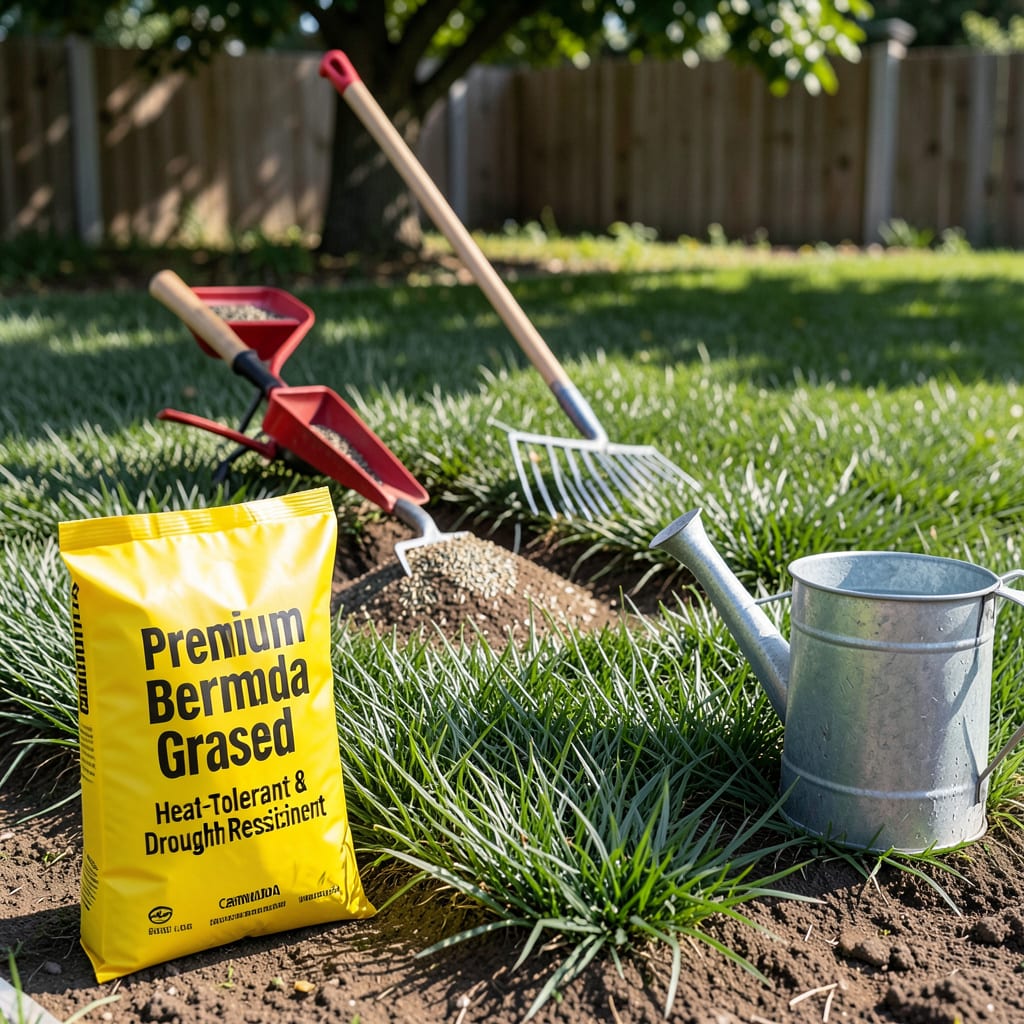
Timing your grass seed planting in Texas isn’t just about the calendar—it’s about beating the heat and dodging frost. Plant too early, and late freezes might wipe out your efforts. Wait too long, and scorching summers will fry tender sprouts before they take root.
I’ve seen Texas lawns thrive—or struggle—based on one critical factor: when those seeds hit the soil. Whether you’re in Dallas’s transition zone or Houston’s humid coast, the rules change. Let’s cut through the guesswork and pinpoint your perfect planting window for a lawn that stays green year-round.
Texas’ massive size means one-size-fits-all advice won’t cut it for grass seed planting. From the Panhandle’s freezing winters to the Gulf Coast’s humid heat, each region has its own sweet spot. I’ll break down the exact months to plant for North Texas vs. South Texas, so you don’t waste seed or effort.
First, know your USDA zone—Texas spans zones 6a to 10a. Cool-season grasses like fescue thrive in North Texas (zones 6-8), while warm-season varieties (Bermuda, Zoysia) dominate in South Texas (zones 9-10). Soil temperature is key: aim for 60–65°F for warm-season seeds and 50–65°F for cool-season.
| Region | Grass Type | Best Months | Soil Temp | Notes |
|---|---|---|---|---|
| North Texas (Dallas, Fort Worth, Amarillo) |
Cool-Season (Fescue, Ryegrass) |
Sept–Oct or March–April |
50–65°F | Avoid summer heat—seeds won’t germinate above 85°F. |
| Central Texas (Austin, San Antonio) |
Warm-Season (Bermuda, Zoysia) |
April–June | 60–70°F | Drought-tolerant varieties work best here. |
| South Texas (Houston, Corpus Christi) |
Warm-Season (St. Augustine, Buffalograss) |
March–May | 65–75°F | High humidity means watch for fungal diseases. |
| West Texas (El Paso, Lubbock) |
Drought-Tolerant (Buffalograss, Blue Grama) |
April–May | 60–70°F | Low rainfall—supplement with irrigation. |
In North Texas, I recommend planting cool-season grasses in early fall (September–October) for the best results. The soil stays warm from summer, but air temps cool, reducing heat stress on new seedlings. Spring planting is possible, but weeds compete aggressively in March and April.
For Central and South Texas, warm-season grasses like Bermuda or Zoysia should go in the ground April through June. The key here is soil temperature—use a soil thermometer to confirm it’s consistently above 60°F at a 2-inch depth. Planting too early risks frost damage to tender sprouts.
West Texas is a different beast entirely. With low annual rainfall and intense sun, I always suggest native grasses like Buffalograss or Blue Grama. Plant in late April to May, and mulch heavily to retain moisture. Drip irrigation can be a game-changer in this arid region.
Don’t forget about transition zones—areas like Waco or College Station where both grass types can work. Here, you might overseed with ryegrass in fall for winter green, then let Bermuda take over in summer. Just be sure to scalp the lawn in spring to help the warm-season grass thrive.
Pro tip: Check your local frost dates. In North Texas, the last frost is typically mid-March to early April, while South Texas rarely sees frost after February. Planting 2–3 weeks after the last frost ensures your seeds won’t be zapped by a late cold snap.
If you’re unsure about your soil temperature, here’s my trick: stick a meat thermometer (yes, the kind from your kitchen—just wash it after!) 2 inches deep in the morning. If it reads 60°F or higher for 3 days in a row, you’re good to plant warm-season grasses.
Finally, watering is critical in those first 2–3 weeks after planting. Texas heat can dry out soil fast, so I recommend light daily watering (just enough to keep the top inch moist)
Getting the timing right for warm-season and cool-season grasses in Texas can feel like solving a puzzle. The Lone Star State’s diverse climates mean what works in Dallas won’t fly in Houston. Let me simplify it with a month-by-month breakdown tailored to Texas’ unpredictable weather.
Warm-season grasses like Bermuda, Zoysia, and St. Augustine thrive in Texas heat, while cool-season types such as Tall Fescue and Ryegrass shine in milder zones. The trick? Match your planting schedule to soil temperature, not just the calendar. I’ll show you when to plant each type for maximum success.
| Grass Type | Best Regions | Planting Months | Soil Temp Range | Germination Time |
|---|---|---|---|---|
| Bermuda | Central, South, West | April–June | 65–75°F | 7–14 days |
| Zoysia | East, Central | May–July | 70–80°F | 14–21 days |
| St. Augustine | Gulf Coast | March–May | 60–70°F | 10–14 days |
| Tall Fescue | North, Panhandle | Sept–Oct | 50–65°F | 7–14 days |
| Ryegrass | North, Transition | Oct–Nov | 55–65°F | 5–10 days |
For warm-season grasses, April through June is prime time in most of Texas. I’ve found Bermuda establishes fastest when planted in late April, giving it time to root before summer scorchers hit. In the Gulf Coast, St. Augustine can go in as early as March—just watch for late frosts.
Cool-season grasses need fall planting in Texas. September through October is ideal for Tall Fescue in North Texas, where it’ll stay green through winter. For overseeding Bermuda lawns with ryegrass, aim for early October—this gives it time to establish before the first frost.
Here’s my pro timing tip: Use the “2-inch rule”. Stick your finger in the soil—if the top 2 inches are warm and moist, it’s go time. For warm-season grasses, that usually means afternoon soil temps hit 65°F for three straight days. Cool-season grasses prefer 55–65°F soil temps.
Don’t forget about transition zones like Austin or San Antonio, where both grass types can work. Here, I recommend planting warm-season grass in April, then overseeding with ryegrass in October for year-round green. Just be sure to mow low before overseeding to let sunlight reach the new seeds.
Watering is critical during germination. For the first 10–14 days, keep soil consistently moist (not soggy) with light daily watering. After germination, gradually reduce to deep watering 2–3 times weekly. In drought-prone areas, consider hydrogel crystals to retain moisture near seeds.
Remember: Texas weather is unpredictable. If a late frost or heat wave hits after planting, don’t panic. Most grass seeds can wait 2–3 weeks in the soil for ideal conditions. Just keep the area moist and weed-free until germination begins.
Planting grass seed in Texas isn’t just about picking the right month—it’s about avoiding the costly mistakes that turn lawns into patchy disasters. I’ve seen too many homeowners waste time and money by overlooking key factors. Let’s tackle the top 3 blunders that sabotage Texas lawns.
First up: ignoring soil temperature. Texas’ wild temperature swings mean calendar dates alone won’t cut it. Planting Bermuda seed in cool soil (below 60°F) leads to poor germination, while fescue seed fried in 90°F heat won’t stand a chance. Always check with a soil thermometer before sowing.
Another lawn-killing mistake: underestimating Texas droughts. Even drought-tolerant grasses like Buffalograss need consistent moisture for the first 2–3 weeks. I’ve seen new lawns fail because folks assumed “it’s Texas—it’ll survive”. Wrong! Set up drip irrigation or water daily (lightly) until roots establish.
Here’s a region-specific tip: In West Texas, wind and sun dry soil faster than you’d think. Use straw mulch (not hay—it has weed seeds!) to retain moisture. In humid East Texas, overwatering causes fungal diseases. Stick to morning watering to let grass dry before evening.
Finally, don’t plant without a plan for weed control. Texas weeds like crabgrass and dallisgrass will outcompete your new lawn. Apply a pre-emergent herbicide (like prodiamine) 4–6 weeks before planting, or use a starter fertilizer with weed preventer labeled for new lawns.
Pro move: Test your soil before planting. Texas soils vary wildly—clay-heavy in Dallas, sandy in Houston. A $20 soil test from your county extension office reveals if you need lime (for acidity) or sulfur (for alkalinity). Adjusting pH before planting saves headaches later.
For cool-season grasses like fescue, aim for soil temps between 50–65°F. Warm-season varieties (Bermuda, Zoysia) need 60–65°F minimum. Use a soil thermometer at 2-inch depth for accuracy.
Fall planting isn’t ideal for Bermuda—it’s a warm-season grass that thrives when planted April–June. Fall seeds may germinate but struggle to establish before winter dormancy. Stick to spring for best results.
Water lightly daily for the first 2–3 weeks to keep soil moist (not soggy). After germination, shift to deep watering 2–3 times weekly. Morning watering prevents fungal issues in humid regions.
Buffalograss or Blue Grama are top picks—they’re native, drought-tolerant, and thrive in April–May plantings. Pair with drip irrigation and mulch to conserve moisture in arid conditions.
Common culprits: soil too cold/hot, inconsistent watering, or weed competition. Test soil temps, maintain moisture, and use pre-emergent herbicides 4–6 weeks before planting to prevent weed takeover.
