
Beautiful Plants For Your Interior
Beautiful Plants For Your Interior
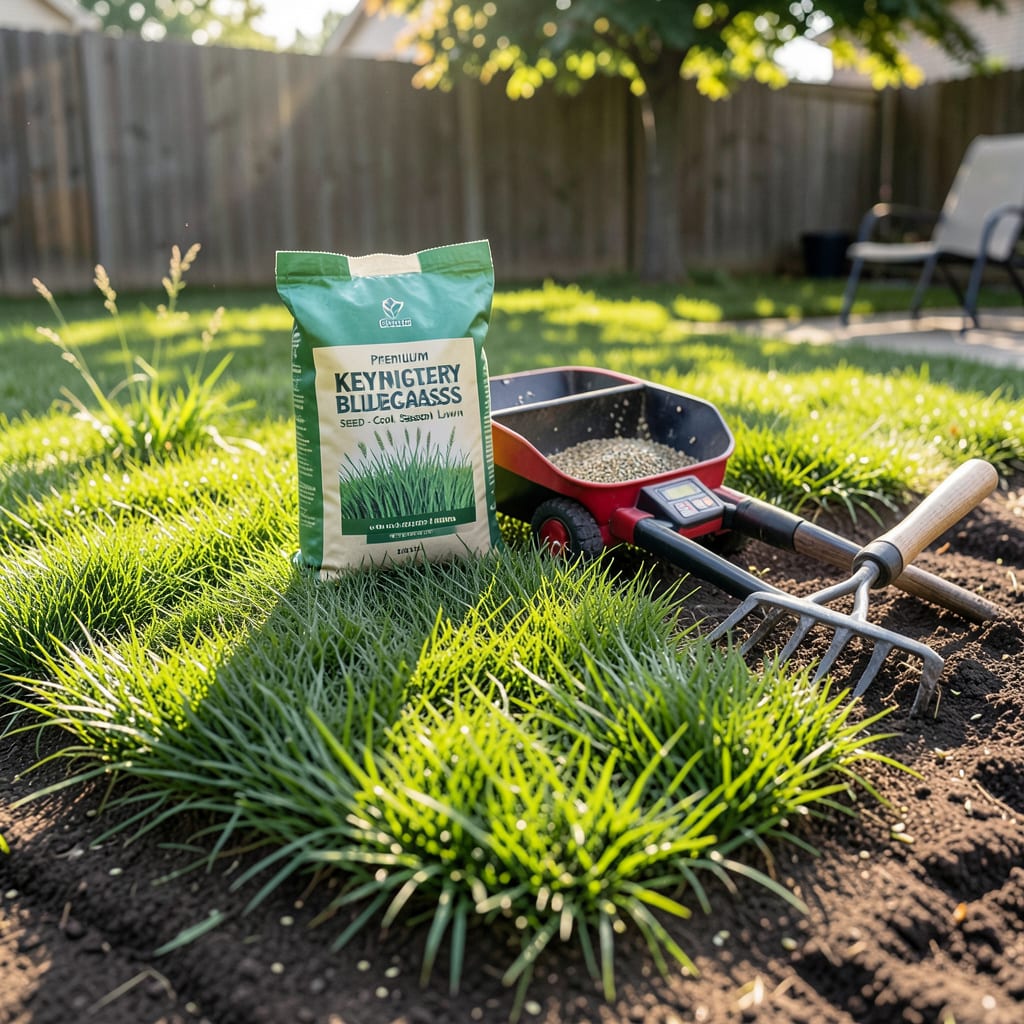
That patchy lawn staring back at you isn’t just an eyesore—it’s a missed opportunity. In Virginia, planting 🌱 grass seed at the wrong time can mean wasted money, sparse growth, or a lawn that never quite bounces back from summer heat.
I’ve seen homeowners struggle for years by guessing the timing, but the science is clear. Whether you’re in the Piedmont or coastal plains, nailing that ideal fall window (or spring backup) makes all the difference. Let’s cut through the confusion and get your lawn thriving.
Virginia’s diverse climate zones (6-8) mean timing isn’t one-size-fits-all. The cool-season grasses like tall fescue and Kentucky bluegrass thrive when planted in early fall (September-October), while warm-season varieties need late spring heat (May-June). Soil temps matter more than calendar dates!
For Northern Virginia, aim for mid-September to leverage cooler nights and consistent rainfall. Coastal areas can push planting into early October, but mountain regions should wrap up by late September to avoid early frosts. Spring planting is possible, but fall yields 30% better germination.
| Grass Type | Best Months | Soil Temp | Regions |
|---|---|---|---|
| Tall Fescue | Sept-Oct, Mar-Apr | 50°F–65°F | Statewide |
| Kentucky Bluegrass | Sept-Oct | 55°F–65°F | Piedmont, Coastal |
| Bermuda | May-June | 70°F+ | Tidewater, Southside |
| Zoysia | Late May-July | 75°F+ | Coastal, Urban Heat Islands |
*Soil temps measured at 2″ depth. Adjust for microclimates (e.g., urban areas run 5°F warmer).
Warm-season grasses like Bermuda and Zoysia struggle in Virginia’s cooler mountains but excel in the Tidewater’s humidity. If you’re set on these, plant after soil hits 70°F (usually late May) and avoid overwatering—they’re drought-tolerant once established.
For spring planting, target March-April but watch for late frosts. I recommend using a soil thermometer ($10 at garden centers) to confirm temps. Pro tip: Overseed thin spots in early fall for a denser lawn—Virginia’s moderate falls give seeds time to root before winter.
Coastal Virginia’s sandy soils dry faster, so water newly planted areas daily for 2 weeks. In the Piedmont’s clay, aerate first to prevent compaction. Mountain regions should plant 2 weeks earlier than the table suggests—frost comes sooner at higher elevations!
If you’re in Northern Virginia, leverage the Virginia Tech Extension’s frost maps to pinpoint your last spring frost. For Central VA, mid-September is the sweet spot—cool nights reduce evaporation, and warm days speed germination. Coastal folks can push to early October but risk tropical storm washouts.
Avoid the “summer planting trap”—even drought-tolerant grasses like tall fescue struggle with Virginia’s July heat. If you miss fall, dormant seeding in November can work: seeds lie dormant until spring. Just ensure good soil contact and mulch lightly to prevent erosion.
For warm-season grasses, timing is tighter. Plant Bermuda or Zoysia too early, and cool soils cause poor germination. Too late? Weeds outcompete slow-starting seedlings. Use a pre-emergent herbicide 6 weeks before planting to clear the field—just check the label for seeding compatibility.
Remember: Virginia’s microclimates can shift ideal dates by 10–14 days. Urban areas (Richmond, Norfolk) may plant 1–2 weeks later than rural spots. When in doubt, call your local Extension office—they track hyperlocal soil temps and rainfall patterns. Your lawn will thank you! 🌿
Even with perfect timing, small missteps can derail your Virginia lawn. I’ve seen homeowners plant cool-season grass in July’s heat or skip soil prep, leading to patchy results. Let’s tackle the seasonal pitfalls that trip up most gardeners.
In spring, the biggest mistake is planting too early when soil temps linger below 50°F. Seeds rot instead of sprouting. Another blunder? Using weed-and-feed before seeding—it kills germinating grass! Always wait 4–6 weeks post-herbicide.
Pro Tip: Coastal VA? Watch for hurricane season (Sept–Oct)—heavy rains can wash away unrooted seed. Use erosion-control mats if planting before a storm.
Piedmont region gardeners often overlook soil compaction. Virginia’s red clay hardens when dry, suffocating roots. Always aerate before planting—rent a core aerator for $60/day or hire a pro for $0.15/sq ft.
In coastal areas, sandy soil drains too fast for new seeds. The fix? Mix in 1–2 inches of compost before planting and water twice daily for the first week. Avoid overwatering—soggy soil invites fungal diseases like dollar spot.
Mountain regions face shorter growing seasons. Planting Kentucky bluegrass after October 1st risks winter kill. Stick to hardy tall fescue and plant by September 15th. Use winter ryegrass as a nurse crop if seeding late.
For warm-season grasses, timing errors are fatal. Planting Bermuda before soil hits 70°F means weak stands. Conversely, seeding Zoysia after July leaves it vulnerable to winter die-off. Use a soil thermometer—don’t guess!
Finally, mowing too soon is a statewide issue. Wait until new grass reaches 3–4 inches, then trim to 2.5 inches. Never remove more than ⅓ of the blade at once. And bag clippings the first month—they can smother delicate sprouts.
Remember: Virginia’s humidity fuels fungal growth. Water early morning (6–8 AM) to let blades dry. If you see gray leaf spot (circular brown patches), apply copper fungicide and reduce nitrogen. Your lawn’s resilience starts with avoiding these traps! 🌿
You’ve planted your grass seed at the perfect time—now the real work begins. Virginia’s humid summers and unpredictable rainfall demand a tailored care routine. I’ll walk you through the 5 non-negotiable steps to ensure your new lawn thrives, not just survives.
First up: watering like a pro. New grass seed needs consistent moisture—aim for 1–2 inches per week, split into light morning sessions. In coastal areas, sandy soil drains fast, so you may need short daily watering for the first two weeks. Use a rain gauge to track—don’t guess!
Virginia Tip: In Piedmont clay, top-dress with ¼ inch compost after 3 weeks to improve root penetration.
For starter fertilizer, I swear by 10-10-10 NPK—it’s balanced for Virginia’s soils. Apply 1 lb per 1,000 sq ft at planting, then again in 4–6 weeks. Avoid high-nitrogen mixes in summer; they stress grass during heatwaves. In coastal areas, use a slow-release formula to prevent nutrient runoff.
Mowing new grass is where most folks go wrong. Wait until blades hit 3–4 inches, then set your mower to 2.5 inches. Use a sharp blade—dull ones tear grass, inviting disease. Always bag clippings the first month; they can smother sprouts. For warm-season grasses like Bermuda, mow lower (1.5–2 inches) to encourage spreading.
Virginia’s clay-heavy soils compact easily, suffocating roots. After 4 weeks, aerate lightly with a garden fork, especially in high-traffic areas. For sandy coastal soils, top-dress with compost to retain moisture. If you see yellow patches, test soil pH—Virginia’s acidic Piedmont often needs lime to balance pH for fescue.
Finally, watch the weather. Virginia’s pop-up thunderstorms can erode seedbeds. After heavy rain, check for washouts and re-seed bare spots. In drought conditions, water deeply 2x/week instead of daily light sprinkles. Your goal: deep roots that survive Virginia’s summer dry spells. 🌱
Planting after mid-October in most of Virginia risks poor germination. Seeds need 4–6 weeks to establish roots before frost. Late plantings often result in weak grass that struggles to survive winter. Coastal areas can push to early November, but mountain regions should finish by October 1st.
Yes, but choose compatible varieties. A common Virginia blend is 90% tall fescue with 10% Kentucky bluegrass for durability. Avoid mixing cool- and warm-season grasses—they have different growth habits and care needs. Always check that the species thrive in your region’s soil pH and sunlight conditions.
Test soil temperature at 2-inch depth—it should be 50–65°F for cool-season grasses. The soil should crumble easily when squeezed (not sticky or rock-hard). Remove weeds and debris, then loosen the top ½ inch with a rake. For clay-heavy Piedmont soil, add ¼ inch compost to improve drainage.
Early morning (6–9 AM) is ideal—it gives seeds a full day to absorb moisture before cooler evening temps. Evening planting risks overnight dampness, which can promote fungal growth in Virginia’s humid climate. If planting in afternoon, water immediately and provide light shade for the first 24–48 hours.
Tall fescue germinates in 7–14 days under ideal conditions, making it the quickest option for most of the state. For warm-season areas (Tidewater), Bermuda grass establishes rapidly but requires soil temps above 70°F. Both need consistent watering (1 inch/week) for fastest growth.
