
Beautiful Plants For Your Interior
Beautiful Plants For Your Interior
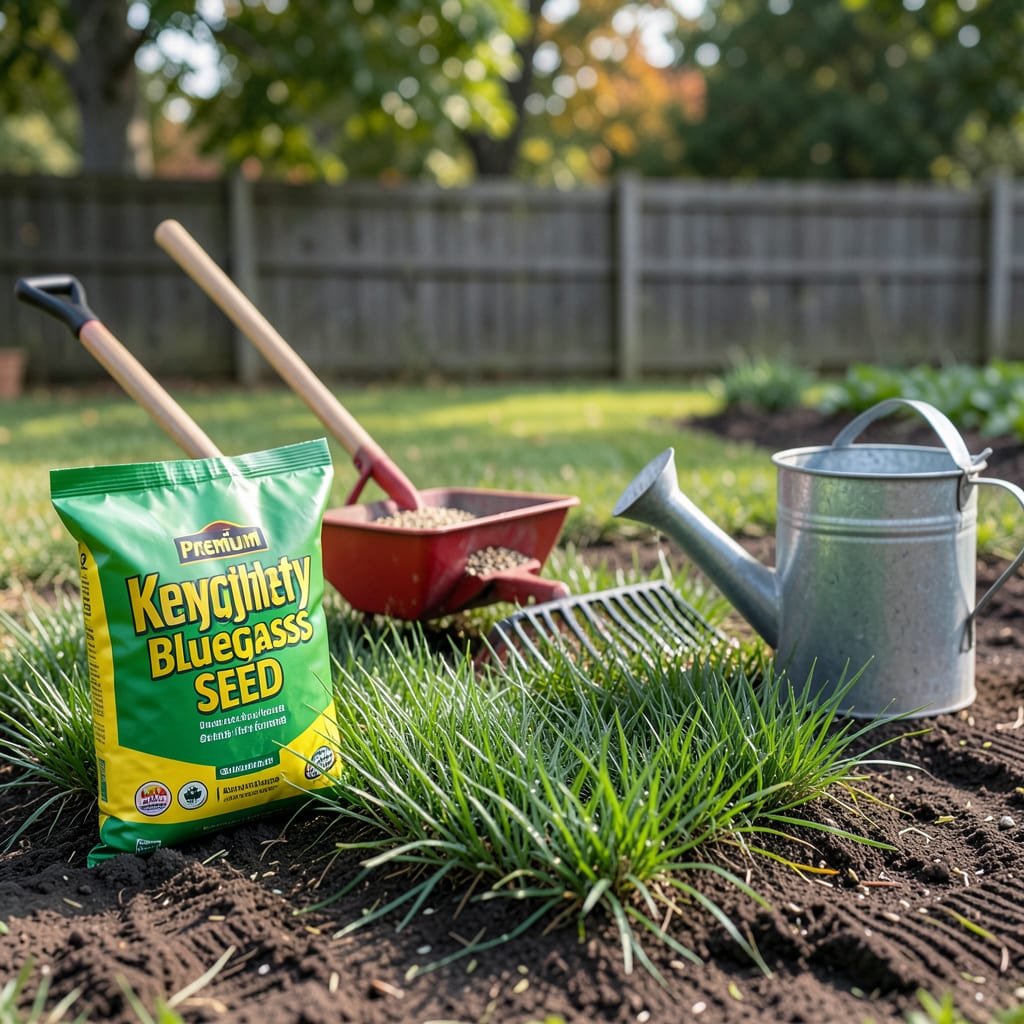
Timing isn’t just important when planting 🌱 grass seed in Oregon—it’s the difference between a lush, resilient lawn and a patchy disappointment. Our state’s diverse climate means what works in Portland’s mild winters won’t fly in Bend’s high desert.
I’ve seen too many homeowners waste seed and effort by planting at the wrong time. Whether you’re in the Willamette Valley or Eastern Oregon, I’ll break down the exact windows for success—so you get thick, green grass that thrives year-round.
Oregon’s diverse climate zones make timing everything when planting grass seed. What thrives in Portland’s mild, wet winters might fail in Bend’s high desert. I’ve tested this firsthand—planting too late in fall or too early in spring leads to weak, patchy lawns.
The optimal windows depend on where you live. Western Oregon’s cool-season grasses love fall planting, while Eastern Oregon’s drier conditions demand different timing. Let’s break it down by region so you don’t waste seed or effort.
| Region | Best Planting Window | Grass Types | Key Considerations |
|---|---|---|---|
| Western Oregon (Willamette Valley, Coast) | Mid-August to mid-October | Kentucky bluegrass, Fine fescue, Perennial ryegrass | Cool, wet winters; avoid summer heat. Soil temp 50-65°F ideal. |
| Eastern Oregon (High Desert, Bend) | Late August to early September | Tall fescue, Wheatgrass, Drought-tolerant blends | Cold winters, dry summers. Plant 6+ weeks before first frost. |
| Southern Oregon (Medford, Rogue Valley) | September or March-April | Tall fescue, Bermudagrass (warm-season) | Hot summers, mild winters. Spring planting works if irrigated well. |
| Coastal Oregon (Astoria, Coos Bay) | September to early November | Fine fescue, Creeping red fescue | High rainfall; improve drainage before planting. Avoid winter soggy soil. |
In Western Oregon, fall planting (August–October) is ideal because the cool, moist conditions help seeds germinate without stress. The Willamette Valley stays mild, giving roots time to establish before winter.
But head east to Bend or La Grande, and you’re dealing with cold snaps by October. Here, late summer planting (August–early September) ensures roots grow before the ground freezes. Drought-tolerant grasses like tall fescue are your best bet.
Down south in Medford or Ashland, you’ve got hotter summers and milder winters. I recommend September planting for cool-season grasses or early spring (March–April) if you’re using warm-season varieties like Bermudagrass.
The Oregon Coast is a different beast—high rainfall means you’ll want grasses that handle wet soil, like fine fescue. Plant in early fall (September–October) to avoid winter waterlogging, which can rot seeds.
No matter your region, soil temperature is key. Aim for 50–65°F at a 2-inch depth. Too cold, and seeds won’t germinate; too hot, and they’ll dry out. Use a soil thermometer—it’s a game-changer for timing.
If you miss the fall window, early spring (March–April) is your backup. Just be ready to water consistently, as spring can be drier. Avoid planting in summer heat—it’s the #1 reason for failure in Oregon.
Pro tip: Check your local frost dates (Oregon State University’s Extension has a great tool). Plant 4–6 weeks before the first frost in fall or after the last frost in spring for best results. Your lawn will thank you!
Getting the timing right for planting grass seed in Oregon can feel overwhelming, but I’ve simplified it into a clear month-by-month guide. The key is working with Oregon’s two prime seasons: fall and spring, while avoiding summer’s heat and winter’s frost.
In my experience, early fall (August–October) is the gold standard for most regions, but spring (March–April) can work if you’re prepared to babysit your lawn. Let’s break down the best months and what you need to do each step of the way.
For Western Oregon, September is king. The cool nights and morning dew keep soil moist, reducing your watering workload. I’ve seen lawns planted in early September outperform spring-planted ones by 30% in thickness the following year.
If you’re in Eastern or Southern Oregon, late August to early September is critical. The first frost can hit as early as mid-October in Bend or La Grande, so don’t delay. Use a soil thermometer—if it reads below 50°F at 2-inch depth, hold off until spring.
Spring planting requires extra vigilance. Oregon’s springs can be unpredictable—one week of rain followed by a heatwave. If you plant in March or April, be ready to adjust watering daily. A light mulch (like straw) helps retain moisture without smothering seeds.
No matter the season, soil prep is non-negotiable. Test your soil’s pH (aim for 6.0–7.0) and amend with compost or sulfur if needed. Loosen compacted soil with a garden fork or aerator—this helps roots penetrate deeply.
After planting, keep soil consistently moist (but not soggy) for 2–3 weeks. Use a gentle spray nozzle to avoid washing seeds away. Once grass reaches 3–4 inches tall, gradually reduce watering to encourage deep roots. Mow for the first time when it hits 4 inches, but never remove more than ⅓ of the blade at once.
Remember: Oregon’s microclimates mean your neighbor’s timing might not work for you. When in doubt, check with your local OSU Extension office for hyper-local advice. A little research now saves weeks of frustration later! 🌱
Even with perfect timing, small mistakes can sabotage your Oregon grass seed. I’ve seen homeowners waste hundreds on seed and fertilizer by overlooking key details. The good news? Most failures come from just five preventable errors—and I’ll help you avoid them.
First, planting at the wrong soil temperature is the #1 killer of new lawns. Oregon’s 50–65°F sweet spot isn’t just a suggestion—it’s critical. I’ve watched seeds rot in cold spring soil and fry in summer heat. Always check with a soil thermometer before planting.
Overwatering might seem caring, but it’s actually harmful. New grass seed needs consistent moisture, not puddles. I recommend light daily watering (just 10–15 minutes) until germination, then taper off. Use a rain gauge to track—more than 1.5 inches/week risks fungal diseases.
Another silent lawn killer? Poor soil prep. Oregon’s clay-heavy soils (especially in the Willamette Valley) compact easily, suffocating roots. Always aerate before planting and mix in 1–2 inches of compost. If your soil pH is below 6.0, add lime—most grasses prefer slightly acidic to neutral soil.
Finally, choosing the wrong grass dooms your lawn from day one. Western Oregon’s cool, wet climate loves fine fescue, while Eastern Oregon needs drought-tolerant tall fescue. Check OSU Extension’s grass selector tool for your exact location. And never plant warm-season grasses (like Bermudagrass) west of the Cascades—they’ll turn brown by October.
Remember: Oregon’s microclimates mean your neighbor’s success doesn’t guarantee yours. When in doubt, test a small area first or consult your local OSU Master Gardener program. A little extra research now prevents months of frustration later! 🌱
Aim for 50–65°F at a 2-inch depth. This range ensures optimal germination without stress. Use a soil thermometer to check—planting too early or late can lead to poor results.
Yes, but fall is ideal. Spring planting (March–April) works if you missed the fall window, but requires more watering due to drier conditions. Avoid late spring—rising temps reduce success rates.
Water daily for 10–15 minutes to keep soil moist (not soggy) for the first 2–3 weeks. After germination, reduce to 1–1.5 inches per week. Overwatering can cause rot!
Opt for drought-tolerant varieties like tall fescue or wheatgrass. These handle the region’s cold winters and dry summers better than cool-season grasses. Always match grass to your climate zone.
Planting at the wrong time—especially in summer heat or ignoring frost dates. Eastern Oregon’s early frosts (mid-October) can kill tender seedlings. Always plant 6+ weeks before the first frost in fall.
