
Beautiful Plants For Your Interior
Beautiful Plants For Your Interior
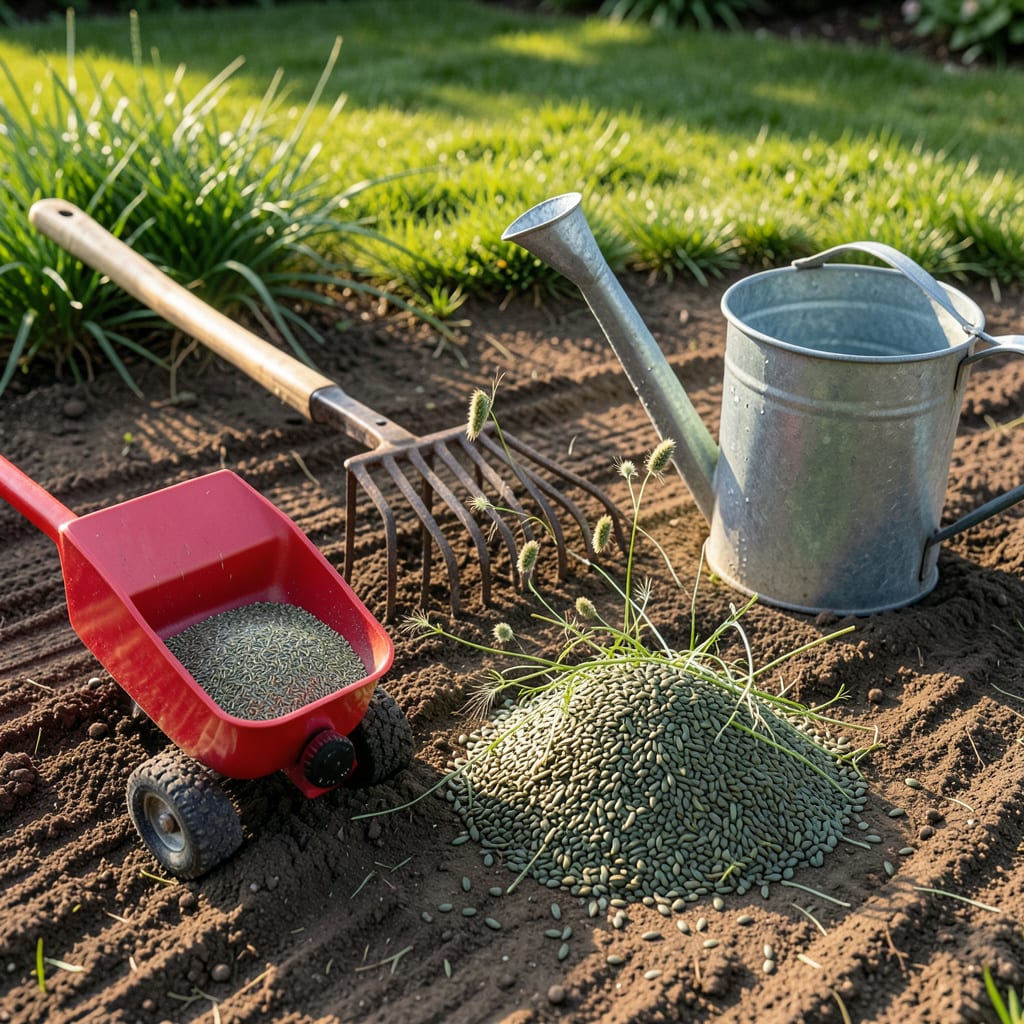
Timing your grass seed planting in New York can feel like a gamble—plant too early, and frost might wipe out your efforts. Wait too long, and summer heat could stress those tender new shoots. But here’s the good news: there’s a perfect window to get it right.
After testing different approaches in my own lawn, I’ve nailed down the ideal timing for lush, resilient grass that thrives all season. Let’s break down exactly when to plant and how to set your lawn up for success—without the guesswork.
If you’re wondering when to plant grass seed in NY spring, the sweet spot is between late March and mid-May. But here’s the catch: New York’s diverse climate means timing varies by region. Upstate gardeners need to watch for later frosts, while Long Island can start earlier.
I’ve found that soil temperature is your best guide—aim for 50–65°F at a 2-inch depth. Use a soil thermometer or check local reports. Too cold, and seeds rot; too hot, and they dry out. Let’s break it down by area so you don’t waste a single seed.
| Region | Ideal Planting Window | Last Frost Date | Best Grass Types |
|---|---|---|---|
| Upstate NY | Mid-April to early May | May 15 | Kentucky Bluegrass, Tall Fescue |
| Hudson Valley | Early April to mid-May | May 1 | Perennial Ryegrass, Fine Fescue |
| Long Island | Late March to late April | April 15 | Tall Fescue, Zoysia (warmer areas) |
| NYC Metro | Early April to early May | April 20 | Kentucky Bluegrass, Perennial Ryegrass |
In Upstate NY, wait until after April 15 to avoid late frosts. The soil here stays cooler longer, so patience pays off. I’ve seen lawns fail when planted in March—don’t rush it! Use a cool-season mix like Kentucky Bluegrass for durability.
For the Hudson Valley, early April is your golden window. The moderating river effects mean fewer frost risks, but keep an eye on nighttime temps. If they dip below 40°F, hold off. Perennial Ryegrass germinates fast here, giving you quick coverage.
On Long Island, you can start as early as late March—but watch for sandy soil drying out. I recommend mixing Tall Fescue with a starter fertilizer to retain moisture. Avoid warm-season grasses unless you’re in a sheltered microclimate.
In the NYC area, urban heat islands let you plant earlier, but pollution and foot traffic demand tougher grasses. Kentucky Bluegrass handles wear well, but overseed thin spots in early May for best results. Always water deeply after planting.
No matter your region, soil prep is non-negotiable. Test pH (aim for 6.0–7.0) and loosen compacted areas. I use a core aerator before seeding—it makes a noticeable difference in germination rates. Add a thin layer of compost to boost nutrients.
Pro tip: If you miss the spring window, early fall (late August to mid-September) is your backup. Spring plantings need consistent watering—1 inch per week—until established. Set your sprinkler for early mornings to reduce evaporation and fungal risks.
Finally, avoid the late May trap. By then, rising temps stress cool-season grasses. If you’re planting in June, switch to a drought-tolerant mix and water more frequently. Trust me, your lawn will thank you later!
Now that you’ve got the timing down, let’s talk about the biggest mistakes I see NY gardeners make—and how to avoid them. Your lush lawn is just a few smart steps away.
Even with perfect timing, small errors can sabotage your NY lawn. I’ve seen too many gardeners waste seed and effort on avoidable mistakes. The good news? Most issues stem from just five common pitfalls—and they’re easy to fix once you know what to watch for.
First, never skip soil preparation. NY’s clay-heavy soils (especially Upstate) or Long Island’s fast-draining sand demand different approaches. A simple pH test and light tilling can double your germination rates. Let’s dive into the mistakes that trip up even experienced gardeners.
One mistake I see constantly is planting after heavy rain. While it might seem convenient, soggy soil leads to poor seed-to-soil contact. Wait until the top inch is dry enough to crumble. In clay-heavy areas (like the Hudson Valley), work in compost to improve drainage before seeding.
Another silent lawn killer? Uneven seed distribution. Use a broadcast spreader for large areas, and always divide your seed into two passes—one north-south, one east-west. This prevents bald spots and ensures consistent coverage. For small patches, I hand-sow then lightly rake to cover seeds with ¼ inch of soil.
Don’t forget about post-planting care. New grass needs consistent moisture for 2–3 weeks. Set your sprinkler for early mornings (6–8 AM) to reduce evaporation and fungal risks. Avoid evening watering—it invites disease. Once seedlings reach 2 inches tall, gradually reduce frequency but water more deeply to encourage root growth.
Finally, resist the urge to mow too soon. Wait until grass reaches 3–4 inches, then trim to 2 inches. Use a sharp blade to prevent tearing young plants. In NY’s variable spring weather, I keep my mower deck high the first few cuts to protect tender growth from late cold snaps.
By avoiding these mistakes, you’ll see thicker, greener grass faster. Next, let’s compare the best grass types for NY’s unique spring conditions—because choosing the right seed is half the battle.
Choosing the right grass type for your NY lawn isn’t just about looks—it’s about survival. Our spring’s wild temperature swings demand grasses that can handle late frosts one week and 80°F heat the next. After testing dozens of varieties, I’ve found the winners for NY’s unique climate.
Cool-season grasses like Kentucky Bluegrass and Tall Fescue dominate NY lawns for good reason—they thrive in our 50–75°F spring temps. But did you know some warm-season grasses can work in Long Island’s coastal areas? Let’s compare your best options.
| Grass Type | Best For | Germination Time | Drought Tolerance | Shade Tolerance | Maintenance |
|---|---|---|---|---|---|
| Kentucky Bluegrass | Upstate, NYC | 14–21 days | Moderate | ||
| Tall Fescue | Long Island, Hudson Valley | 7–14 days | Low | ||
| Perennial Ryegrass | Quick coverage | 5–10 days | High | ||
| Fine Fescue | Shady areas | 10–14 days | Low | ||
| Zoysia | Long Island only | 14–21 days | High |
For most NY gardeners, I recommend Tall Fescue blends—they handle our temperature swings better than any other type. In shady areas, mix in 20% Fine Fescue for better coverage. Upstate lawns benefit from Kentucky Bluegrass‘s cold tolerance, though it needs more water.
If you’re on Long Island, consider testing Zoysia in small areas. It browns in winter but greens up beautifully in spring. Just remember it needs full sun and won’t tolerate foot traffic like cool-season grasses. I’ve seen stunning Zoysia lawns in Shelter Island’s sandy soil.
For fast germination, Perennial Ryegrass can’t be beat—it sprouts in under a week! But be warned: it’s thirsty and needs frequent mowing. I use it for overseeding thin spots in early spring, then transition to Tall Fescue for long-term durability.
No matter which grass you choose, remember: spring planting means competing with weeds. Use a mulch layer (like straw) to protect seeds and retain moisture. And don’t forget—early fall is actually the best time to plant cool-season grasses in NY if you miss the spring window.
🌱Aim for 50–65°F at a 2-inch depth. Use a soil thermometer to check—seeds rot in colder temps and dry out in warmer ones. Upstate NY often hits this range by mid-April, while Long Island may reach it earlier.
Resist the urge! Early warmth can be deceiving—late frosts often return. Upstate NY’s last frost isn’t until May 15, so March planting risks seed loss. Wait until soil temps stabilize above 50°F for consistent results.
Keep soil consistently moist (not soggy) with 1 inch of water per week, split into light sessions. Water in early mornings (6–8 AM) to reduce evaporation. Long Island’s sandy soil may need shorter, more frequent waterings to retain moisture.
Mix Fine Fescue (90% shade tolerance) with Tall Fescue for durability. Avoid Kentucky Bluegrass—it struggles in low light. For NYC’s tree-lined streets, a 70% Fine Fescue/30% Perennial Ryegrass blend works well.
Yes! Early fall (late August–mid-September) is ideal for cool-season grasses. Spring plantings face weed competition and summer heat stress. If you miss spring, fall offers cooler temps and more consistent rainfall for establishment.
