
Beautiful Plants For Your Interior
Beautiful Plants For Your Interior
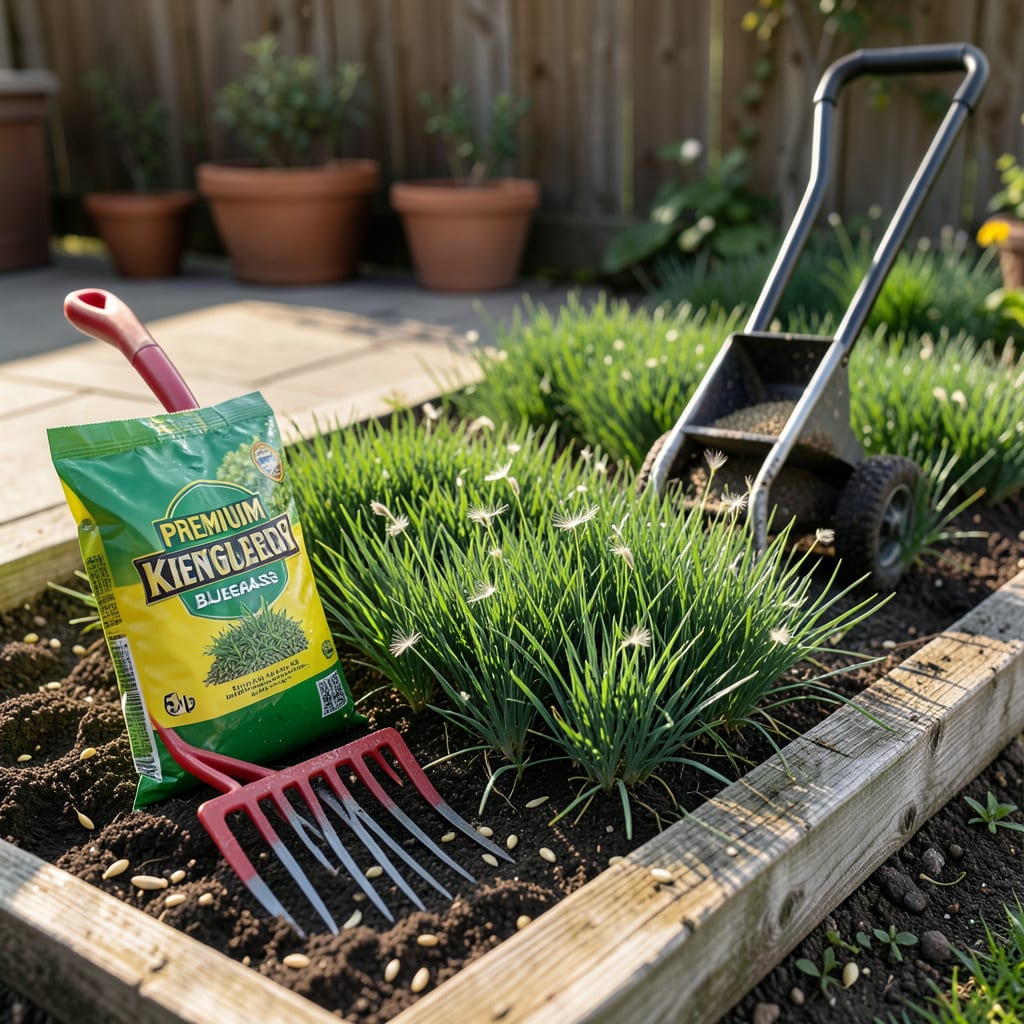
Timing your 🌱 grass seed planting in Nebraska can mean the difference between a patchy lawn and a lush carpet of green. Plant too early, and late frosts might wipe out your seedlings; wait too long, and summer heat could bake them before they take root.
After years of testing and local research, I’ve nailed down the perfect windows for zones 5a-6a. Whether you’re overseeding or starting fresh, I’ll show you exactly when to plant—and why fall beats spring for long-term success. Let’s get your lawn off to the right start.
If you’re planting grass seed in Nebraska, timing is your secret weapon. Nebraska’s USDA zones 4-6 create distinct planting windows—especially for cool-season grasses like Kentucky bluegrass and tall fescue. The ideal soil temperature for germination is 50-65°F, which we hit perfectly in early fall.
Fall planting (late August through mid-September) gives seeds 6-8 weeks to establish roots before winter. Spring planting (April to early May) works too, but requires more watering. Avoid summer seeding—Nebraska’s heat and drought stress young seedlings. Let’s break down the perfect timing by region.
| Region | Best Fall Planting | Spring Backup Window | First Frost Date | Recommended Grasses |
|---|---|---|---|---|
| Eastern NE (Omaha, Lincoln) | Aug 20 – Sep 15 | Apr 1 – May 1 | Oct 10 | Kentucky bluegrass, Tall fescue |
| Central NE (Kearney, Grand Island) | Aug 25 – Sep 10 | Apr 5 – May 5 | Oct 1 | Tall fescue, Fine fescue |
| Western NE (Scottsbluff, North Platte) | Aug 15 – Sep 5 | Apr 15 – May 10 | Sep 20 | Buffalograss, Zoysiagrass |
Note: Plant 45-60 days before first frost for optimal root development. Soil temps should be consistently above 50°F.
In eastern Nebraska, the longer growing season allows for a slightly wider fall window. I recommend planting Kentucky bluegrass here—it thrives in the moist conditions common near the Missouri River. Just be sure to finish seeding by mid-September to avoid early frosts.
Central Nebraska’s transition zone climate means you’ll want to focus on drought-tolerant varieties. Tall fescue is my top pick here—it handles both heat waves and cold snaps better than other cool-season grasses. Aim to plant before Labor Day for best results.
Out west, the shorter growing season and lower rainfall make timing even more critical. I’ve seen the best success with native grasses like buffalograss in this region. Plant by early September, and consider irrigating if fall rains are scarce. The soil prep here is crucial—work in 2-3 inches of compost before seeding.
For spring planting, watch the soil temperature—not just the calendar. Use a soil thermometer to confirm you’ve hit that 50°F threshold at a 2-inch depth. Remember that spring-seeded lawns need 25% more water than fall plantings to compete with weeds.
No matter your region, always test your soil before planting. Nebraska’s clay-heavy soils often need amending. I recommend a simple DIY test: Dig a 6-inch hole, fill with water, and time how long it drains. If water sits longer than 4 hours, you’ll need to improve drainage with sand or organic matter.
After planting, maintain consistent moisture—this means light watering daily for the first two weeks. Use a gentle spray nozzle to avoid washing seeds away. Once sprouts appear (usually in 7-14 days), gradually reduce frequency but water more deeply to encourage root growth.
For those in urban areas with limited space, consider overseeding existing lawns in early fall. This technique works well in Omaha and Lincoln where lawns take heavy summer wear. Use a slice seeder for best seed-to-soil contact, and
Choosing the right grass type for Nebraska’s climate is just as important as timing. Our state’s diverse conditions—from humid eastern regions to arid western plains—mean no single grass works everywhere. I’ll break down the top performers and where they thrive best.
Nebraska’s cool-season grasses like Kentucky bluegrass and tall fescue dominate because they handle our cold winters and moderate summers. But in western Nebraska, warm-season natives like buffalograss often perform better with less water. Let’s compare your options.
For eastern Nebraska, I recommend Kentucky bluegrass blends because they thrive in our moist conditions and recover well from foot traffic. The spreading growth habit helps fill in bare spots naturally. Just be prepared for more frequent watering during July-August heat waves.
In central Nebraska, tall fescue becomes my top choice due to its drought resistance. This grass maintains its color better than bluegrass during dry spells. I’ve seen it perform exceptionally well in Kearney and Grand Island where summer temperatures can spike. Mix it with 10% Kentucky bluegrass for faster establishment.
Western Nebraska’s arid climate calls for native warm-season grasses. Buffalograss is my favorite here—it needs 50% less water than cool-season types once established. The tradeoff? It goes dormant brown in winter. For year-round green, consider overseeding with ryegrass in fall.
No matter which grass you choose, soil preparation is key. I always recommend aerating before planting and adding 1-2 inches of compost to improve soil structure. For new lawns, use a starter fertilizer with a 20-10-10 ratio to give seeds the nutrients they need.
Remember that mowing height affects grass health. Keep Kentucky bluegrass at 2.5-3 inches and tall fescue at 3-4 inches for optimal drought resistance. Never remove more than 1/3 of the blade at once to avoid stressing the grass.
Even with perfect timing, small errors can sabotage your Nebraska lawn. After helping dozens of homeowners troubleshoot patchy grass, I’ve identified the five most common mistakes—and how to fix them. Let’s save you time, money, and frustration by getting it right the first time.
First up: overwatering new seed. Many Nebraskans assume more water equals faster growth, but soggy soil actually suffocates seeds and invites fungal diseases. The sweet spot is consistent moisture—not puddles. Your soil should feel like a wrung-out sponge, never muddy.
Problem: Drowning seeds or creating fungal growth with too much water. Fix: Water lightly 2x daily (morning/evening) for 5-10 minutes until germination. Use a rain gauge to track 1/4 inch per session.
Problem: Planting on compacted clay without amending. Fix: Till in 2 inches of compost and test pH (aim for 6.0-7.0). For heavy clay, add gypsum to improve drainage before planting.
Problem: Seeding when soil temps are below 50°F or above 85°F. Fix: Use a soil thermometer—plant when temps hit 50-65°F at 2-inch depth. In Nebraska, this typically means late August for fall planting.
Problem: Covering seed with more than 1/4 inch of soil. Fix: Lightly rake seed into top 1/8 inch, then press with a lawn roller (1/3 full of water) for good soil contact. For overseeding, use a slice seeder instead of broadcasting.
Problem: Letting weeds compete with new grass. Fix: Apply pre-emergent herbicide (like prodiamine) 6 weeks before planting, or use corn gluten meal for organic control. Never use weed-and-feed on new lawns—wait until after 3 mowings.
The biggest surprise for most Nebraskans? How critical seed-to-soil contact really is. I’ve seen perfect seed go to waste because it wasn’t properly pressed into the soil. After broadcasting, use a leaf rake to gently work seeds into the top layer, then roll the area. This simple step can double your germination rate.
Another overlooked factor: seed quality. Cheap seed mixes often contain weed seeds and inert fillers. Always check the label for pure live seed percentage (aim for 90%+) and germination rate (should be 85%+). For Nebraska, I recommend University-tested blends like ‘Turffalo’ buffalograss or ‘Midnight’ Kentucky bluegrass.
Finally, don’t forget about post-planting care. Once your grass reaches 3 inches tall, begin mowing—but never remove more than 1/3 of the blade at once. Use a sharp mower blade to prevent tearing. And hold off on heavy foot traffic for 4-6 weeks to let roots establish properly. Your patience will pay off with a thicker, healthier lawn.
🌱Cool-season grasses need soil temps between 50-65°F at a 2-inch depth. Use a soil thermometer to check—this is more reliable than air temperature. In Nebraska, this typically occurs in late August for fall planting.
Yes, but spring planting requires 25% more water and weed control. Aim for April to early May, when soil reaches 50°F. Avoid late spring—young grass struggles in summer heat.
Water lightly 2x daily (morning/evening) for 5-10 minutes until germination. Use a rain gauge to ensure 1/4 inch per session. After sprouting, reduce frequency but water deeper to encourage roots.
Buffalograss is Nebraska’s most drought-tolerant option, needing 50% less water than cool-season grasses. It thrives in western Nebraska’s arid climate but goes dormant (brown) in winter. For year-round green, overseed with ryegrass.
Poor seed-to-soil contact is the #1 issue. Always rake seed lightly into the top 1/8 inch of soil, then roll the area. This simple step can double germination rates compared to just broadcasting seed.
