
Beautiful Plants For Your Interior
Beautiful Plants For Your Interior
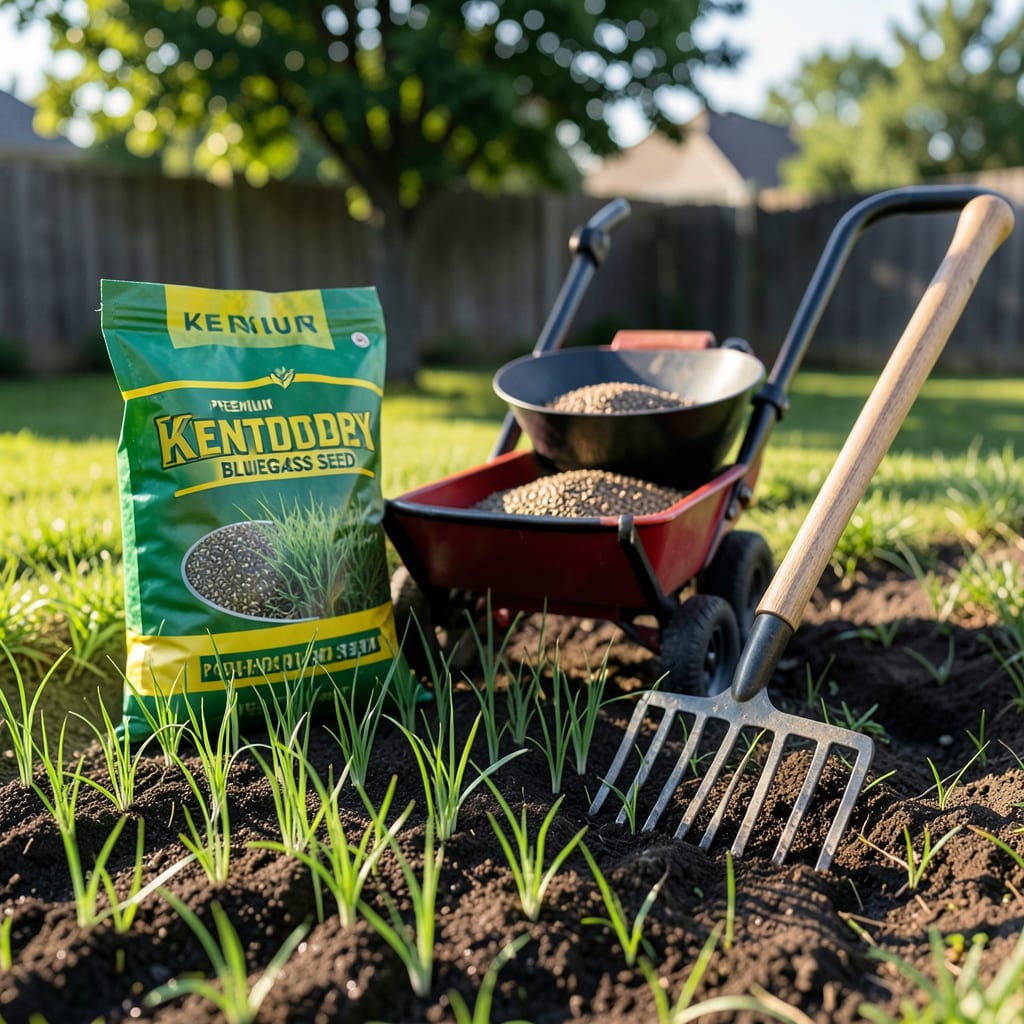
Timing your grass seed planting in Minnesota’s spring can make or break your lawn. Plant too early, and a late frost might wipe out your efforts. Wait too long, and summer heat could stress those tender new sprouts before they even get established.
After years of testing what works in our Zone 4b climate, I’ve nailed down the perfect window for lush, resilient grass. Let me show you exactly when to sow those seeds—and how to set your lawn up for success all season long.
Minnesota’s spring weather is famously unpredictable, but your grass seed timing doesn’t have to be. The sweet spot for planting falls between mid-April and early May for most of the state. This window balances soil warmth (ideally 50–65°F) and minimal frost risk.
However, Minnesota isn’t one-size-fits-all. Southern MN (like Rochester) can often plant 1–2 weeks earlier than the Twin Cities, while northern regions (Duluth, Brainerd) may need to wait until late April or early May. Let’s break it down by zone.
| Region | Ideal Planting Window | Soil Temp Target | Notes |
|---|---|---|---|
| Southern MN (Rochester, Mankato) |
Early April | 50–55°F | Earliest safe window; watch for late frosts. |
| Twin Cities Metro (Minneapolis, St. Paul) |
Mid-April | 52–60°F | Aim for after April 15 to avoid frost. |
| Central MN (St. Cloud, Alexandria) |
Late April | 55–62°F | Clay soil? Aerate first for better drainage. |
| Northern MN (Duluth, Brainerd) |
Early May | 58–65°F | Wait until after last frost (May 1–10). |
Pro Tip: Use a soil thermometer (available at garden centers) to check temps at 2-inch depth in the morning.
Why does soil temperature matter so much? Grass seeds need consistent warmth to germinate—below 50°F, they’ll just sit dormant. Above 65°F, you risk heat stress on young sprouts. I’ve seen lawns fail because folks planted during a false spring warm-up in March.
Here’s how to test if your soil is ready: Grab a handful. If it’s crumbly and slightly moist (not soggy or frozen), you’re good to go. If it forms a muddy ball, wait a few days. For clay-heavy soils (common in the Twin Cities), mix in compost to improve drainage before planting.
Don’t forget to check the 10-day forecast before sowing. If nighttime temps will dip below 40°F, hold off. A light frost won’t kill grass seed, but hard freezes (below 28°F) can damage tender new growth. In 2022, I lost a patch of Kentucky Bluegrass to a late April freeze—lesson learned!
For shady lawns, you can push planting a bit later (early May) since soil stays cooler. But if you’re overseeding a sunny area, stick to the earlier end of your region’s window. Fine Fescue tolerates shade better, while Perennial Ryegrass germinates faster in full sun.
One final tip: If you miss the spring window, don’t panic. Early fall (late August to mid-September) is actually the best time to plant grass in Minnesota. But spring planting works beautifully if you nail the timing—and now you’ve got the exact dates for your region!
Next up, we’ll cover the 5 critical mistakes I see Minnesota gardeners make when planting spring grass seed (and how to avoid them). Trust me, #3 might surprise you!
For now, mark your calendar based on your region, and get ready to transform that patchy lawn into a lush, green carpet. Your neighbors will be asking for your secrets by summer!
🌿Even with perfect timing, small mistakes can sabotage your Minnesota lawn before it gets started. I’ve seen too many gardeners waste seed and effort on avoidable errors. Let’s tackle the top 5 pitfalls that derail spring grass planting—so you can sidestep them like a pro.
First up: skipping soil prep. Minnesota’s heavy clay soils (especially in the Twin Cities) or sandy patches up north need attention before planting. If you just toss seed onto compacted ground, you’re setting yourself up for poor germination and weak roots.
Pro Tip: Take photos of your lawn weekly after planting. You’ll spot issues (like bare patches or fungus) early when they’re easier to fix.
Mistake #2—ignoring weed control—is especially costly in Minnesota. Our damp springs create perfect conditions for crabgrass and creeping Charlie to invade. I recommend applying a pre-emergent herbicide (like corn gluten meal) 2 weeks before planting, then hand-pulling any weeds that pop up later.
Watering errors (mistake #3) are another lawn killer. Many gardeners either drown their seeds or let them dry out. The goal is consistent moisture—think damp sponge, not swamp. Use a rain gauge to track your 1 inch per week. In the Twin Cities, morning watering (6–9 AM) reduces evaporation and fungal risks.
Here’s a trick I swear by: After planting, lay down a light straw mulch (about ¼ inch thick). This keeps seeds moist, protects them from birds, and prevents soil crusting. Avoid hay—it’s full of weed seeds! For slopes, use a tackifier (like Penn Mulch) to keep everything in place during spring rains.
Finally, don’t forget about post-planting care. Once your grass reaches 3 inches tall, it’s time for the first mow. Set your mower to 2.5–3 inches—never cut more than ⅓ of the blade height at once. And hold off on fertilizer until after the second mowing to avoid burning tender new growth.
Remember, even the best-laid plans can go awry if you’re not watching the weather. I once had to replant an entire section after a surprise May frost hit my early-planted ryegrass. Now I always keep extra seed on hand and check the 10-day forecast religiously before sowing.
🌱Choosing the right grass seed for Minnesota’s unpredictable springs is just as important as timing. Our Zone 4b climate demands cold-hardy varieties that can handle late frosts, damp conditions, and temperature swings. Not all grass seed is created equal—some thrive here while others struggle.
After testing dozens of blends in my own lawn, I’ve found three grass types that consistently outperform the rest: Kentucky Bluegrass, Fine Fescue, and Perennial Ryegrass. Each has unique strengths for different Minnesota lawns. Let’s compare them so you can pick the perfect match for your yard.
Note: Needs full sun (6+ hours). Struggles in shade.
Note: Thin blades mean less wear resistance—avoid for play areas.
Note: Less cold-hardy than bluegrass—mix with other types for winter survival.
Pro Tip: For most Minnesota lawns, I recommend a blend of 60% Kentucky Bluegrass, 30% Fine Fescue, and 10% Perennial Ryegrass. This combo balances durability, shade tolerance, and quick establishment.
For Twin Cities lawns with heavy clay soil, Kentucky Bluegrass is my top pick because it develops deep roots that break through compacted ground. But if you’ve got sandy soil (common in northwestern MN), Fine Fescue’s drought resistance makes it ideal. I’ve seen it thrive in Brainerd lawns with minimal watering.
If you’re dealing with shady areas (under trees or north-facing yards), Fine Fescue is your best bet. It tolerates as little as 4 hours of sun—unlike Kentucky Bluegrass, which needs 6+. For sunny spots, I love Park Kentucky Bluegrass or Midnight Kentucky Bluegrass for their rich color and disease resistance.
Here’s a trick for faster germination: Soak your grass seed in lukewarm water for 24 hours before planting. This jumpstarts the sprouting process. Just spread the damp seeds immediately after soaking. I’ve cut germination time by 3–5 days using this method in my St. Paul lawn.
Remember, even the best seed won’t perform well if you skimp on soil prep. Before planting, rake the area to loosen the top ¼ inch of soil, then apply a starter fertilizer (look for a 10-10-10 or 12-12-12 blend). This gives your new grass the nutrients it needs to establish strong roots before summer heat arrives.
🌿Planting before soil reaches 50°F risks seed rot or dormancy. Late frosts (below 28°F) can kill tender sprouts. Always check the 10-day forecast before sowing in early spring.
Keep soil consistently moist but not soggy—about 1 inch per week, split into light daily waterings. Use a rain gauge to track amounts, and water in early morning to reduce evaporation.
A blend of 60% Kentucky Bluegrass, 30% Fine Fescue, and 10% Perennial Ryegrass balances durability, shade tolerance, and quick growth. This combo thrives in Minnesota’s variable spring conditions.
Loosen the top ¼ inch of soil with a rake, then mix in compost for clay-heavy areas. Remove weeds and debris, then apply a starter fertilizer (10-10-10 blend) to boost early growth.
Early fall (late August to mid-September) is actually ideal, as cooler temps and consistent moisture promote strong root growth. But spring planting works well if you follow regional timing guidelines and avoid common mistakes.
