
Beautiful Plants For Your Interior
Beautiful Plants For Your Interior
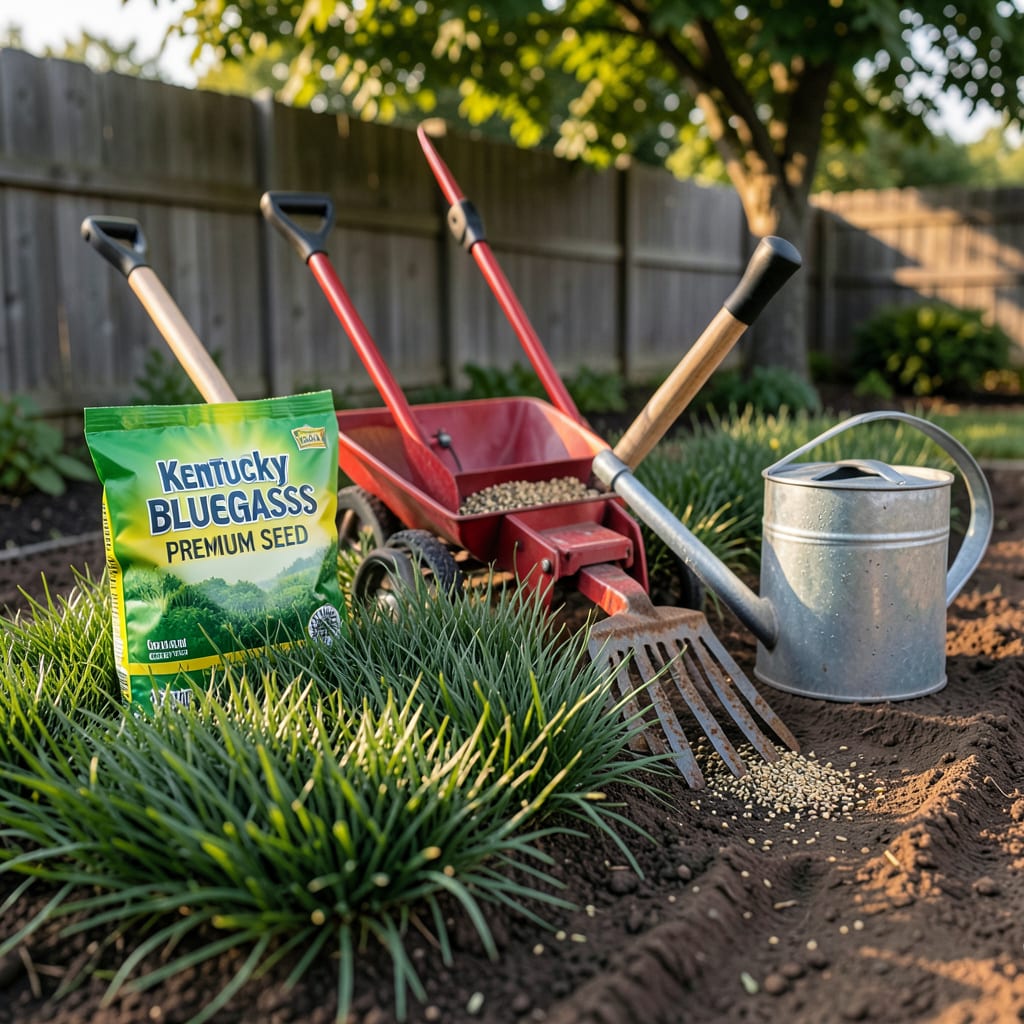
Timing your grass seed planting in Minnesota can mean the difference between a patchy lawn and a lush carpet of green. The North Star State’s unpredictable climate demands precision—plant too early, and frost might wipe out your efforts; wait too long, and summer heat could scorch tender sprouts before they take root.
After years of testing and tweaking, I’ve nailed down the ideal windows for Minnesota’s USDA Zones 4a-4b. Whether you’re in the Twin Cities or up north near Duluth, I’ll show you exactly when to plant for thick, resilient turf—plus the critical mistakes to avoid for a lawn that thrives, not just survives.
If you’re dreaming of a lush, green lawn in Minnesota, timing your grass seed planting is everything. The North Star State’s unpredictable weather means you’ve got two prime windows: early spring (April–May) and late summer to early fall (August–September). Get it wrong, and you’ll battle frost, drought, or weak roots.
Minnesota’s USDA Zones 3–5 demand careful planning. Cool-season grasses like Kentucky bluegrass and tall fescue thrive here, but they need soil temps between 50–65°F to germinate. Plant too early in spring, and a late frost could wipe out tender sprouts. Wait too long in fall, and young grass won’t survive winter.
| Planting Season | Best Months | Soil Temp Range | Pros | Cons |
|---|---|---|---|---|
| Early Spring | April–May | 50–60°F | Fewer weeds, cooler temps reduce heat stress | Risk of late frost, requires more watering |
| Late Summer/Fall | August–September | 55–65°F | Warm soil speeds germination, fewer pests | Must plant 6+ weeks before first frost |
🌱 Pro Tip: Fall planting often yields the best results in Minnesota due to warm soil and cooler air temps, which reduce stress on new grass.
For spring planting, aim for mid-April to early May, once soil temps hit 50°F. I always check with a soil thermometer—don’t guess! Prepare your soil by raking away debris and loosening the top 2–3 inches. Add a starter fertilizer (like 12-12-12) to give seeds a nutrient boost.
Watering is critical in spring. New grass needs light, frequent watering—think daily misting for the first two weeks to keep soil moist but not soggy. Avoid evening watering to prevent fungal diseases like dollar spot or red thread, which thrive in Minnesota’s humid springs.
Fall planting is my top recommendation for Minnesota lawns. The window is late August through mid-September, giving roots 6–8 weeks to establish before winter. The University of Minnesota Extension confirms this timing aligns with the state’s first frost dates (early October in most regions).
In fall, focus on soil prep. Test your soil’s pH—Minnesota soils often lean acidic (pH <6.0). If needed, apply lime to raise pH or sulfur to lower it. Overseeding? Mow your existing lawn short (1.5 inches) and rake to expose soil for better seed contact.
Choosing the right grass seed blend matters. For Minnesota, I recommend: 70% Kentucky bluegrass (durable, spreads well), 20% fine fescue (shade-tolerant), 10% perennial ryegrass (quick germinator). Avoid warm-season grasses like Bermudagrass—they won’t survive Minnesota winters.
Watch for common mistakes like planting too late in spring (seedlings fry in summer heat) or skipping soil tests. If you’re in northern Minnesota (Zones 3–4a), adjust your timeline 1–2 weeks later than the Twin Cities. Southern Minnesota (Zone 5a) can plant 1 week earlier in spring and fall.
Finally, don’t forget post-planting care. Keep foot traffic off new grass for 4–6 weeks, and mow only when blades reach 3–4 inches. Use a mulching mower to return clippings to the soil—they act as a natural fertilizer! 🌿
Minnesota’s diverse climate means your grass seed planting timeline varies by region. The Twin Cities (Zone 4b) enjoys a slightly longer growing season than northern Minnesota (Zones 3–4a), while southern counties (Zone 5a) can plant earlier. Knowing your microclimate is key.
In the Twin Cities metro, aim for mid-April to early May in spring and late August to mid-September in fall. Northern areas like Duluth should delay spring planting until early May and wrap up fall seeding by early September to beat frost.
| Region | USDA Zone | Spring Window | Fall Window | Last Frost Date |
|---|---|---|---|---|
| Twin Cities | 4b | April 15–May 15 | Aug 20–Sep 20 | May 10 |
| Northern MN | 3–4a | May 1–May 30 | Aug 10–Sep 10 | May 20 |
| Southern MN | 5a | April 1–April 30 | Aug 25–Sep 25 | April 25 |
🌱 Pro Tip: Southern Minnesota gardeners can often sneak in a dormant seeding in October—seeds lie dormant until spring!
For southern Minnesota (Rochester, Mankato), you’ve got a 1–2 week head start in both spring and fall. I’ve seen southern lawns thrive with early April plantings, but always check soil temps—they should be consistently above 50°F at a 2-inch depth.
Northern gardeners face shorter seasons and cooler soils. If you’re near the Canadian border, prioritize fall planting—it’s more reliable than spring. Use a soil thermometer to confirm temps, and consider cold-hardy varieties like creeping red fescue for extra resilience.
No matter your region, soil prep is non-negotiable. Test your soil’s pH—Minnesota’s glacial soils often need lime to balance acidity. For clay-heavy areas (common in the Red River Valley), mix in compost to improve drainage before seeding.
Watch for local frost warnings. The University of Minnesota Extension offers county-specific alerts. In Duluth, frost can arrive as early as September 20, while Minneapolis usually holds until October 5. Adjust your fall planting accordingly to give roots 6–8 weeks to establish.
Finally, leverage local resources. Your county extension office often provides free soil tests and hyper-local advice. For example, Ramsey County gardeners might focus on drought-tolerant mixes, while Lake Superior-adjacent areas need salt-tolerant grasses to combat winter road salt runoff. 🌿
Even with perfect timing, small errors can ruin your Minnesota lawn before it starts. After helping dozens of homeowners troubleshoot patchy grass, I’ve pinpointed the five most common mistakes—and how to fix them. Avoid these pitfalls, and you’ll see thicker turf with half the effort.
First up: planting too late in spring. Many Minnesotans wait until late May to plant, thinking warmer weather helps. But by then, summer heat is around the corner, and young grass can’t handle 80°F+ temps. Seedlings need 6–8 weeks of cool weather to establish roots before heat stress kicks in.
Problem: Seedlings face summer drought before roots establish.
Fix: Plant by April 30 in southern MN, May 10 up north. Use shade cloth if late.
Problem: Compacted or acidic soil blocks germination.
Fix: Till 2–3 inches deep, add compost, and test pH (aim for 6.0–7.0).
Problem: Varieties like Bermudagrass die in Minnesota winters.
Fix: Stick to cool-season mixes: 70% Kentucky bluegrass, 20% fine fescue, 10% perennial rye.
Problem: Drowning seeds or letting soil dry out kills sprouts.
Fix: Water daily (light mist) for 2 weeks, then taper to every 2–3 days.
Problem: Fall-planted grass dies if frost hits too soon.
Fix: Plant 6–8 weeks before first frost (Oct 1 in Twin Cities, Sep 20 in Duluth).
Another silent lawn killer? Buried seeds. Many gardeners rake seeds too deep into the soil. Grass seed needs light to germinate—aim for ¼-inch depth max. I use a lawn roller after seeding to press seeds into soil without burying them. Cover with pea straw (not hay!) to retain moisture.
Don’t forget seed quality. Cheap mixes often contain weed seeds or fillers. I splurge on certified weed-free blends from local nurseries. For Minnesota, look for labels like “Northern Climate” or “Cold-Hardy”. Store seeds in a cool, dry place until planting—old or damp seed won’t germinate.
Finally, post-planting neglect dooms many lawns. New grass needs gentle care: no heavy foot traffic for 4–6 weeks, and mow only when blades hit 3–4 inches. Use a mulching mower to recycle clippings, and apply a light fertilizer (like 12-4-8) after the first mowing to boost growth.
If your lawn still struggles, test for soil compaction—common in Minnesota’s clay-heavy soils. Rent a core aerator in early fall to loosen soil and improve water absorption. For bare spots, try slit-seeding, which plants seeds directly into soil slits for better contact. With these fixes, you’ll avoid the patchy, weak turf that plagues so many Minnesota lawns. 🌱
Grass seed germinates best when soil temps hit 50–65°F. In Minnesota, this typically means mid-April to May for spring or late August to September for fall. Use a soil thermometer to check—don’t guess!
October is risky for most of Minnesota, but southern regions (Zone 5a) can try dormant seeding. Broadcast seeds after Oct 15—they’ll germinate in spring. Northern areas should avoid it; frost arrives too soon.
Water daily (light misting) for the first 2 weeks to keep soil moist but not soggy. After germination, shift to every 2–3 days. Always water in the early morning to prevent fungal diseases.
For Minnesota’s shade, fine fescue is your best bet—it thrives with just 4 hours of sunlight. Mix it with creeping red fescue for extra durability. Avoid Kentucky bluegrass; it struggles in low light.
For bare spots, use slit-seeding to plant seeds directly into soil slits. Cover with pea straw (not hay) to retain moisture. Keep the area moist and avoid foot traffic for 4–6 weeks.
