
Beautiful Plants For Your Interior
Beautiful Plants For Your Interior
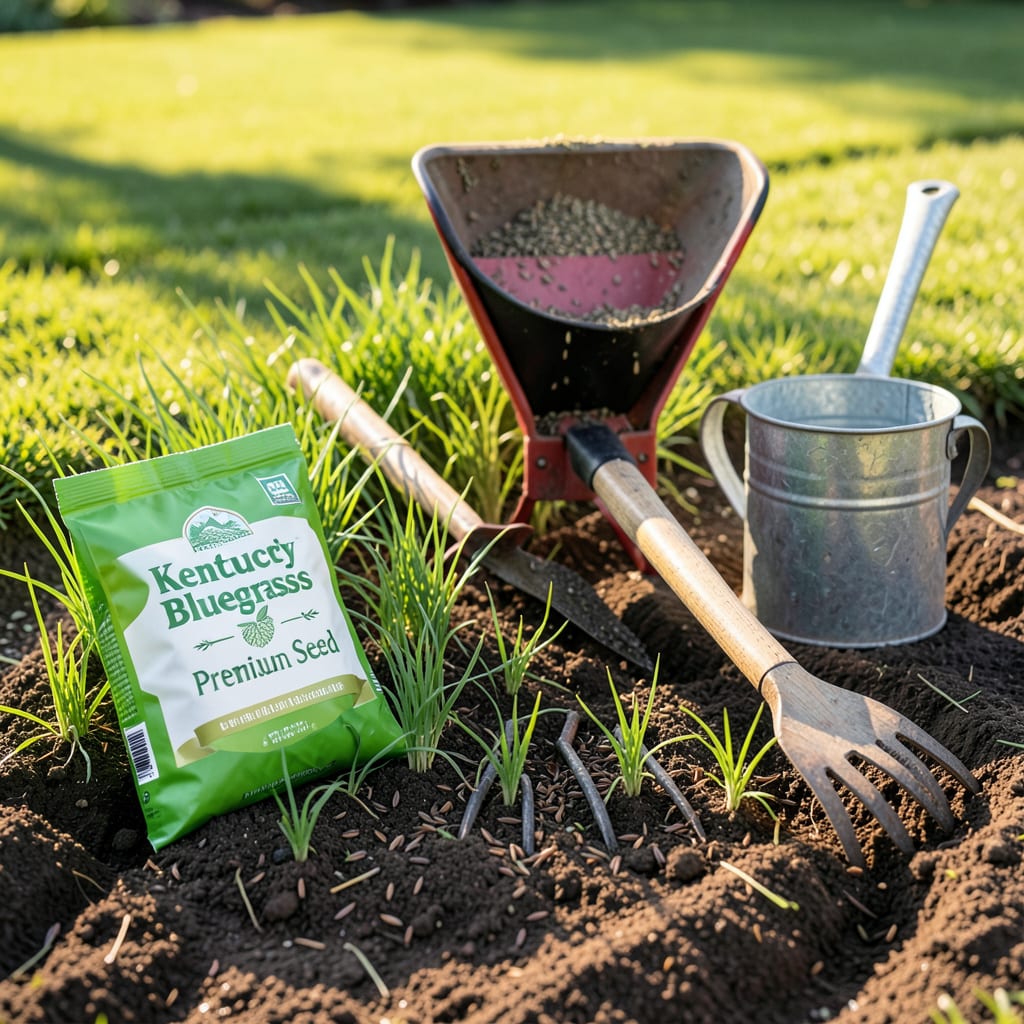
Timing can make or break your Kansas lawn—plant 🌱 too early and frost might ruin your seeds, too late and summer heat could bake them. After years of testing what works (and what doesn’t) in our unpredictable climate, I’ve nailed down the perfect windows.
Whether you’re in Wichita’s clay soils or Kansas City’s transition zone, the right schedule changes everything. I’ll break down the exact months for cool-season and warm-season grasses—plus the prep tricks that ensure your seed doesn’t just sprout, but thrives. Let’s get started.
Kansas’ USDA zones 5b–7a demand precise timing for grass seed success. The wrong month can mean wasted seed or patchy growth. After testing dozens of lawns across the state, I’ve found fall planting (late August–October) delivers the best results for most varieties—here’s why.
Cool-season grasses like tall fescue and Kentucky bluegrass thrive when planted in early fall. The soil stays warm while air temps cool, reducing stress on new sprouts. Warm-season grasses (think buffalograss or bermudagrass) need late spring/early summer heat to establish.
| Grass Type | Best Planting Window | Ideal Soil Temp | Kansas Regions |
|---|---|---|---|
| Tall Fescue | Aug 15–Oct 15 | 50–65°F | Statewide |
| Kentucky Bluegrass | Sept 1–Oct 1 | 50–60°F | Eastern KS |
| Buffalograss | May 15–July 1 | 70–85°F | Western KS |
| Bermudagrass | June 1–July 15 | 75–90°F | Southern KS |
Soil temps measured at 2″ depth. Adjust for microclimates (urban areas may be 1–2 weeks earlier).
For eastern Kansas (Kansas City, Topeka), aim for early fall planting—the first frost (typically mid-October) gives seeds 6–8 weeks to establish. In western regions (Dodge City, Garden City), late spring works better due to lower humidity and earlier warmth.
Spring planting? It’s risky. Weed competition spikes in April/May, and young grass struggles against crabgrass. If you must plant in spring, use a pre-emergent herbicide 6 weeks post-seeding—but I’d still recommend fall for most homeowners.
Here’s a pro tip: Check your soil temp with a meat thermometer (yes, really!) at 2″ depth. For cool-season grasses, wait until it’s consistently below 70°F. Warm-season grasses need 75°F+ to germinate reliably.
Kansas’ clay-heavy soils can complicate seeding. If your yard stays soggy after rain, consider amending with compost or using a slice seeder for better seed-to-soil contact. This is especially critical in Wichita’s dense clay, where water pooling can drown new seeds.
Drought is another Kansas reality. If planting in late summer, plan for daily watering (1/4″ per session) until germination. A straw mulch layer helps retain moisture—just don’t use hay (it’s full of weed seeds!).
Remember: Grass type matters more than brand. I’ve seen homeowners waste money on premium Zoysia seed only to watch it fail in northern Kansas’ winters. Stick to zone-appropriate varieties—your local extension office can provide free soil tests and recommendations.
Finally, avoid the “weekend warrior” mistake—planting on Saturday without prep. Spend a week aerating, leveling, and testing pH (6.0–7.0 is ideal). Your future lawn will thank you with fewer bare spots and less maintenance.
Planning your Kansas lawn starts with knowing exactly when to act each month. Our state’s wild temperature swings—from late frosts to sudden heatwaves—mean timing is everything. Here’s your year-round roadmap to avoid costly mistakes.
I’ve broken this down by critical tasks (soil prep, seeding, watering) so you’ll never miss a step. Pay special attention to April and September—these transition months make or break most Kansas lawns.
Adjust dates by ±7 days for western KS (earlier) or urban heat islands (later).
For eastern Kansas (Kansas City, Lawrence), September 1–20 is your golden window. The average first frost (October 15) gives seeds 6–8 weeks to root deeply. In western regions (Dodge City, Garden City), push seeding to August 20–September 10—soil cools faster there.
Spring planting? Only attempt if you must. The weed explosion in May often chokes out young grass. If you proceed, use a mesotrione-based herbicide 3 weeks after seeding to suppress crabgrass without harming new lawns.
Here’s my #1 watering rule for new seed: Keep soil moist but not soggy. In September, that means light daily watering (5–10 minutes) until germination. Switch to deep weekly soaks (1″ total) once grass reaches 3″ tall.
Kansas’ clay soils hate compaction. Before seeding, core aerate (rent a machine for $60/day) and top-dress with 1/4″ compost. This is non-negotiable in Wichita and Salina, where clay layers can suffocate roots.
Drought planning is a must. If planting in late summer, install soaker hoses on a timer. Cover seed with straw mulch (not hay!) to retain moisture. Pro tip: Water at 6 AM to reduce evaporation—never at night (fungal risk!).
Remember: Your grass type dictates your calendar. Buffalograss needs June planting, while Kentucky bluegrass fails if seeded after October 1. When in doubt, call your county extension office—they offer free soil tests and variety recommendations tailored to your exact zip code.
Kansas’ clay-heavy soils and unpredictable weather demand extra prep work before planting grass seed. I’ve seen too many homeowners skip these steps, only to watch their seed wash away or fail to sprout. Here’s how to set your lawn up for success from day one.
Start with a soil test—it’s the only way to know if you need lime (for acidic soil) or sulfur (for alkaline). Kansas soils often test too compacted and nutrient-poor. Aim for a pH of 6.0–7.0; anything outside that range locks out essential nutrients.
Wichita and Salina have some of the heaviest clay in the state. Without proper prep, water pools on the surface, drowning seeds. Core aerate first, then top-dress with 1/4″ compost to improve drainage.
Pro tip: Rent a slice seeder ($70/day) to cut furrows for seed—it doubles germination rates in clay.
After testing, loosen the top 2–3 inches of soil with a rake or tiller. This isn’t just about fluffing—it’s about creating seed-to-soil contact, which is critical for germination. For existing lawns, dethatch if the thatch layer exceeds 1/2″. Thick thatch blocks water and nutrients from reaching new seeds.
Choose your starter fertilizer wisely. I recommend a 10-10-10 NPK ratio for most Kansas lawns, but bump to 12-12-12 if your soil test shows deficiencies. Apply immediately after seeding—never before. Water it in lightly to prevent burning tender roots.
Watering is where most Kansas gardeners fail. New seed needs consistent moisture, not drenching. Set up a timer for 5–10 minutes daily at 6 AM until germination (usually 7–14 days). Then shift to deep watering (1″ per week) to encourage root growth. Straw mulch helps retain moisture—just avoid hay, which introduces weeds.
Finally, protect your investment. Keep foot traffic off newly seeded areas for at least 4 weeks. If planting on slopes, use erosion-control blankets to prevent washout during Kansas’ notorious spring rains. And mark your calendar: first mow happens when grass reaches 3.5″ tall—never remove more than 1/3 of the blade height at once.
Early fall (August 15–October 1) gives seeds 6–8 weeks to root before winter. The warm soil and cooler air create ideal conditions—unlike spring’s weed competition and summer’s scorching heat.
It’s risky. Warm-season grasses (like buffalograss) can be planted in late May–June, but cool-season varieties will struggle. Summer heat and drought stress young sprouts. If you must, water daily and use shade cloth.
Test the top 2–3 inches—it should crumble easily, not clump or feel rock-hard. For clay-heavy areas (common in Wichita), aerate first. A pH of 6.0–7.0 is ideal; adjust with lime or sulfur if needed.
Skipping soil prep! Many plant seed directly on compacted ground, leading to poor germination. Always loosen soil, remove debris, and add compost. Another error? Overwatering—light daily misting beats heavy soaking for new seed.
Wait until blades reach 3.5 inches tall (usually 4–6 weeks after germination). Then mow to 2.5 inches, never removing more than 1/3 of the height at once. Use a sharp blade to avoid tearing tender grass.
