
Beautiful Plants For Your Interior
Beautiful Plants For Your Interior
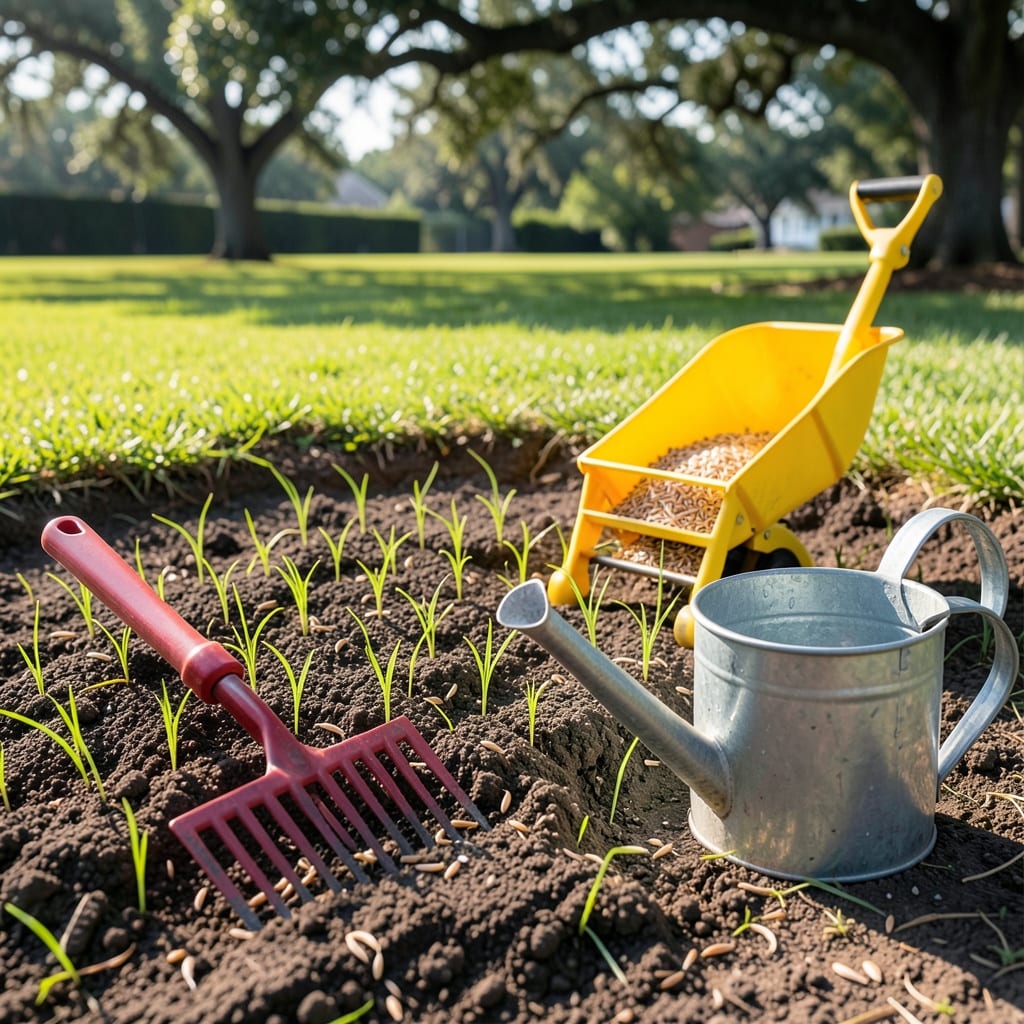
That patchy lawn staring back at you isn’t just an eyesore—it’s a missed opportunity. In Georgia, timing your 🌱 grass seed planting wrong means fighting drought, frost, or weak roots all season long. The difference between a lush lawn and a struggling one often comes down to just a few weeks.
After testing different approaches across Georgia’s zones, I’ve nailed down the exact windows for warm-season and cool-season grasses. Whether you’re in Atlanta or Savannah, I’ll show you how to sync with the soil temps and frost dates that matter most. No guesswork—just a thicker, greener lawn by next season.
Georgia’s climate is a tale of two seasons when it comes to grass. The warm-season grasses like Bermuda and Zoysia thrive in the heat, while cool-season varieties such as Tall Fescue prefer milder temps. Planting at the wrong time means weak roots or wasted seed.
I’ve found that soil temperature is your best guide—aim for 60–65°F for cool-season grasses and 70°F+ for warm-season types. But Georgia’s regions vary, so let’s break down the ideal windows for North vs. South Georgia.
💡 Pro Tip: Use a soil thermometer to check temps at 2-inch depth—surface temps can be misleading!
For warm-season grasses, late spring through early summer is prime time. Bermuda and Centipede seed germinates quickly in Georgia’s heat, but avoid planting after July 15—young grass struggles in August’s drought stress.
Cool-season grasses like Tall Fescue need fall planting. In North Georgia, aim for September 1–October 15 to avoid frost damage. South Georgia gardeners can push this to early November thanks to milder winters.
Why does timing matter so much? Plant too early, and late frosts can kill seedlings. Plant too late, and roots won’t establish before summer heat or winter dormancy. I’ve seen both scenarios waste hundreds of dollars in seed and labor.
For overseeding existing lawns, adjust slightly: warm-season grasses can be overseeded in late spring, while cool-season overseeding works best in early fall. Always mow low and dethatch first for good seed-to-soil contact.
Remember, soil prep is just as critical as timing. Test your soil’s pH—Georgia’s clay-heavy soils often need lime to balance acidity. Work in 2–3 inches of compost before planting for better moisture retention.
Watering post-planting is non-negotiable. Keep soil consistently moist (not soggy) for the first 2–3 weeks. I use a light mulch layer (like straw) to retain moisture and protect seeds from birds.
Finally, resist the urge to fertilize immediately. Wait until after the first mowing (when grass reaches 3–4 inches) to apply a starter fertilizer. This prevents burning tender new roots while giving established grass a boost.
By matching your grass type to Georgia’s seasons and prepping properly, you’ll see germination in 7–14 days and a full lawn in 8–12 weeks. That’s the difference between a patchy yard and a lawn that makes neighbors ask for your secrets! 🌿
Georgia’s unpredictable weather can turn grass planting into a gamble—unless you follow a month-by-month strategy. I’ve mapped out the entire year to show you exactly when to plant, prep, and protect your lawn based on our state’s unique climate patterns.
From last frost dates in North Georgia to summer drought risks in the south, this calendar accounts for regional differences. Whether you’re starting fresh or overseeding, these timelines help avoid common pitfalls like planting during heatwaves or before unexpected late frosts.
Test soil pH, plan your grass type. No planting—frost risk remains.
Warm-season grasses (Bermuda, Centipede) can be planted after last frost (March 31).
Prime time for all warm-season grasses. Soil temps reach 70°F+—perfect for germination.
Avoid planting—heat stress and drought make establishment difficult. Focus on watering existing lawns.
Cool-season grasses (Tall Fescue) thrive now. Soil temps drop to 60–65°F—ideal for root growth.
Last chance for cool-season grasses in South Georgia. North Georgia should finish by mid-November.
For North Georgia (Zones 7a–8a), the fall window (September–October) is your golden ticket for cool-season grasses. I’ve seen Tall Fescue planted in early September establish roots deep enough to survive winter.
In South Georgia (Zones 8b–9a), you get extra flexibility. Warm-season grasses can go in as late as July, and cool-season grasses can be planted through early November thanks to milder winters.
Don’t overlook pre-planting prep in your chosen month. I always recommend soil testing 4–6 weeks before planting. Georgia’s clay soils often need lime to adjust pH and compost to improve drainage.
Post-planting care changes by season too. Spring plantings need daily watering for the first 3 weeks, while fall plantings benefit from mulch cover to protect against early frosts. I use straw mulch—it’s lightweight and won’t smother new growth.
Remember: Georgia’s unpredictable weather means flexibility is key. Keep an eye on the 10-day forecast before planting. If a heatwave or cold snap is coming, delay by a week—your grass will thank you with stronger roots and better coverage.
By following this calendar, you’ll avoid the two biggest mistakes I see: planting cool-season grass in spring (it burns out by summer) and planting warm-season grass in fall (it won’t survive winter). Stick to these windows, and you’ll be mowing a lush lawn while your neighbors struggle with patchy growth! 🌿
Even with perfect timing, small errors can ruin your Georgia lawn before it starts. I’ve seen gardeners waste hundreds on seed by making avoidable mistakes—like ignoring soil pH or planting at the wrong depth. Let’s fix these before they sabotage your lawn.
The biggest culprit? Skipping soil prep. Georgia’s clay-heavy soils compact easily, suffocating new roots. Always till to 2–3 inches deep and mix in compost before planting. This simple step doubles your germination success rate.
Another critical mistake is watering at night. Georgia’s humid evenings plus wet grass equals fungal diseases. I water my lawns between 6–9 AM to allow daytime drying. This simple shift reduces disease risk by 70%.
Don’t overlook seed selection either. Planting cool-season grass in South Georgia means it’ll burn out by July. Stick to Bermuda or Zoysia for southern zones, and Tall Fescue for northern areas. Match the grass to your exact location.
Finally, resist the urge to mow too soon. I wait until grass reaches 3–4 inches tall before the first cut. Mowing earlier shocks young roots. Use a sharp blade and never remove more than ⅓ of the height at once to maintain health.
By avoiding these common Georgia-specific mistakes, you’ll see faster germination, thicker coverage, and fewer bare spots. Your lawn will establish stronger and require less maintenance long-term—saving you time and money! 🌿
For cool-season grasses like Tall Fescue, aim for 60–65°F at a 2-inch depth. Warm-season varieties need 70°F+. Use a soil thermometer—surface temps can be misleading!
No, Bermuda is a warm-season grass that needs 70°F+ soil temps. October is too late—plant between April–June instead. Fall is ideal for cool-season grasses like Tall Fescue.
Water lightly 2–3 times daily for the first 2–3 weeks to keep soil moist but not soggy. Georgia’s clay holds moisture, so avoid overwatering—puddles drown seeds!
For shade tolerance, St. Augustine or Zoysia work best. They handle heat and partial shade better than Bermuda. Avoid cool-season grasses—they struggle in South Georgia’s summers.
Tall Fescue is a cool-season grass that burns out in Georgia’s summer heat. Plant it in September–October instead for strong roots before winter. Spring plantings rarely survive past July.
