
Beautiful Plants For Your Interior
Beautiful Plants For Your Interior
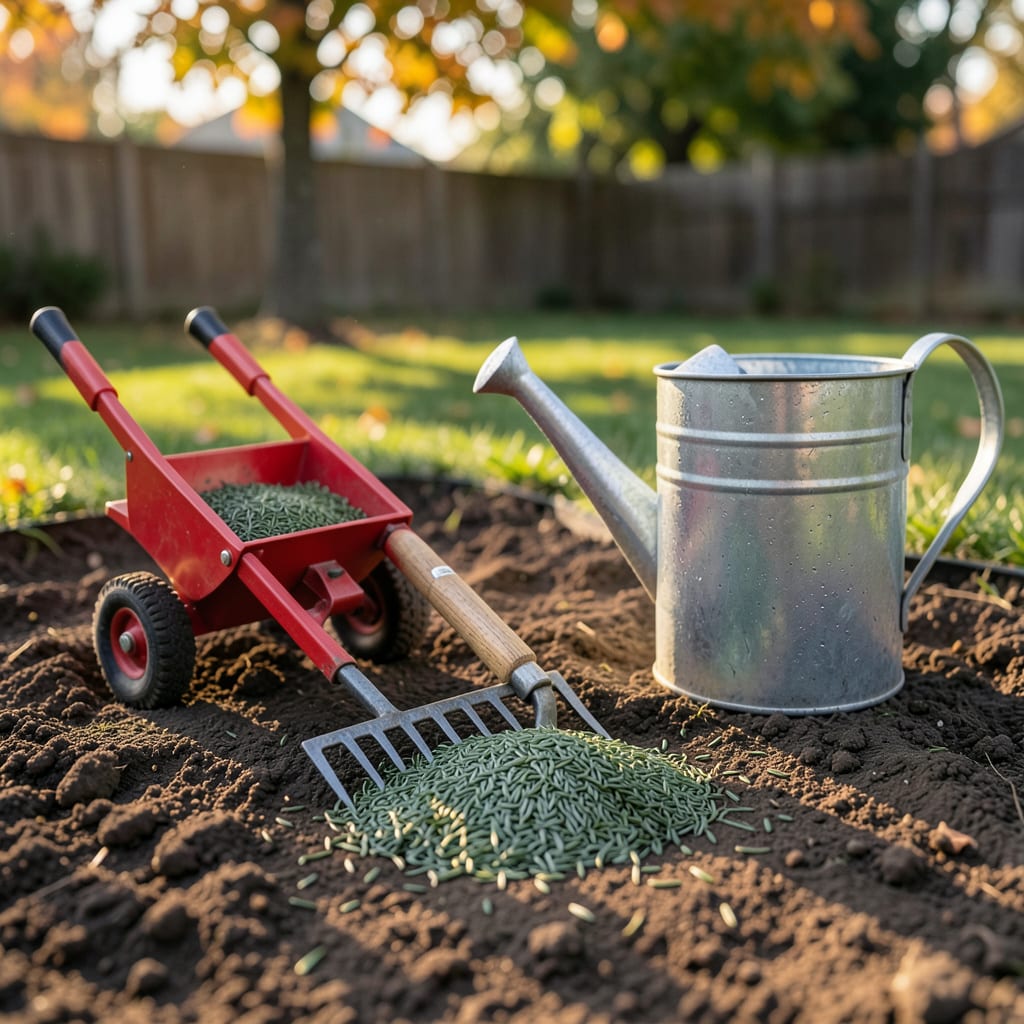
Timing your grass seed planting in Connecticut can mean the difference between a patchy yard and a lush, vibrant lawn. I’ve seen too many homeowners struggle with thin, weak grass simply because they planted at the wrong time—don’t let that be you.
The secret lies in working with Connecticut’s climate, not against it. Whether you’re in coastal Fairfield County or the hills of Litchfield, I’ll show you exactly when to plant for perfect results—no guesswork required. Let’s get your lawn off to the right start.
If you want a lawn that’s the envy of your Connecticut neighborhood, timing your grass seed planting is everything. Connecticut’s climate—with its USDA Zones 6a-7a—means you’ve got two prime windows: early fall and spring. But one is far superior for long-term success.
Fall planting, specifically from late August to mid-September, gives your grass the best shot. The soil is still warm from summer, but the air is cooler, reducing stress on new seedlings. Spring can work too, but it comes with more risks like late frosts or summer droughts.
| Season | Best Months | Soil Temp Range | Pros | Cons |
|---|---|---|---|---|
| Early Fall | Late Aug – Mid-Sept | 50°F – 65°F | Less competition from weeds, ideal moisture | Shorter growing window before winter |
| Spring | Mid-Apr – Early May | 50°F – 60°F | Longer growing season ahead | More weed pressure, potential heat stress |
Note: Coastal areas (e.g., New Haven) can plant 1-2 weeks later in fall due to milder temps. Inland (e.g., Hartford) should stick to early fall.
For cool-season grasses like Kentucky Bluegrass or Tall Fescue, fall is your golden ticket. The soil temperature hovers around 50-65°F, which is perfect for germination. Plus, autumn rains in CT help keep the soil moist without extra watering.
If you miss the fall window, spring planting is your backup. Aim for mid-April to early May, after the last frost but before summer heat kicks in. Just be ready to water more frequently—spring can be unpredictable, with dry spells or sudden temperature swings.
Pro tip: Use a soil thermometer to check temps at a 2-inch depth. If it’s consistently above 50°F, you’re good to go. And don’t forget to aerate your soil first—CT’s clay-heavy soil can compact easily, making it tough for new roots to establish.
For those in coastal areas (think Mystic or Groton), you’ve got a slight advantage. The moderating ocean influence means you can push your fall planting into early October without worry. But if you’re inland (like Torrington or Willimantic), stick to late August through September to avoid early frosts.
No matter when you plant, watering is critical. New grass seed needs consistent moisture—about 1 inch per week, including rainfall. Use a light mulch (like straw) to retain moisture and protect seeds from birds. And hold off on heavy foot traffic until your grass reaches 3 inches tall.
If you’re overseeding an existing lawn, early fall is still best. The competition from weeds is lower, and your established grass won’t be as aggressive. For bare spots, consider a quick-germinating mix with Perennial Ryegrass, which sprouts in just 5-10 days under ideal conditions.
Finally, avoid the temptation to plant in summer. Connecticut’s humidity and heat can stress young grass, leading to patchy growth or disease. If you must plant in summer, choose a shaded area and water twice daily to keep the soil damp—but even then, results may disappoint.
By aligning your planting with Connecticut’s climate, you’ll set your lawn up for success. Whether you’re starting from scratch or just filling in bare spots, timing makes all the difference. Now grab your seeds and get planting—your dream lawn is just a season away! 🌱
Even with perfect timing, small mistakes can sabotage your Connecticut lawn before it even gets started. I’ve seen homeowners waste time and money on grass seed only to end up with patchy, weak turf—all because of avoidable errors. Let’s tackle the biggest offenders so you don’t repeat them.
One of the most common missteps? Planting at the wrong depth. Grass seed needs light to germinate, so burying it too deep (more than ¼ inch) smothers it. Conversely, leaving it on the surface exposes it to birds and wind. The sweet spot is lightly raked into the soil.
Fix these, and you’ll see 50% better germination in your first season!
Another critical error is ignoring soil pH. Connecticut’s soil tends to be acidic (pH 5.5-6.0), but grass thrives in 6.0-7.0. Test your soil with a $10 kit from your local garden center. If it’s too acidic, add lime; if alkaline, use sulfur. This simple step can double your success rate.
Many DIYers also choose the wrong grass type. Warm-season grasses like Bermuda or Zoysia struggle in CT’s winters. Stick to cool-season varieties: Kentucky Bluegrass for durability, Tall Fescue for drought tolerance, or Fine Fescue for shady spots. Mixes with Perennial Ryegrass germinate fast, giving you quick coverage.
Overseeding existing lawns without proper prep is another pitfall. If you skip dethatching or aerating, new seeds can’t reach the soil. Use a core aerator to pull 2-3 inch plugs, then overseed. This ensures seed-to-soil contact, which is non-negotiable for germination. Follow up with a light top-dressing of compost to protect seeds.
Finally, don’t underestimate post-planting care. New grass needs consistent moisture for 2-3 weeks. Water lightly daily (or twice daily if temps exceed 80°F) until seedlings reach 2 inches tall. Then, transition to deep, infrequent watering (1 inch weekly) to encourage deep roots. Avoid heavy foot traffic for 6-8 weeks—your patience will pay off with a thicker lawn.
If you’re dealing with sloped areas, use a erosion-control blanket to keep seeds in place during rain. For high-traffic zones, consider Turf-Type Tall Fescue, which handles wear better than other varieties. And if weeds are a problem, apply a pre-emergent herbicide—but only after your new grass has been mowed 3 times to avoid damaging it.
By dodging these common mistakes, you’ll set your Connecticut lawn up for success. Remember: preparation and patience beat luck every time. Now go fix those errors and watch your grass thrive! 🌿
Not all grass seed is created equal—especially in Connecticut. Our cool, humid summers and cold winters demand cool-season grasses that can handle the swings. Picking the wrong variety can leave you with a brown, patchy lawn by mid-summer. Let’s break down the best options for CT’s climate.
The gold standard for Connecticut lawns is Kentucky Bluegrass. It thrives in our USDA Zones 6a-7a, spreads to fill bare spots, and handles moderate foot traffic. Plant it in early fall for best results. If you need something more drought-tolerant, Tall Fescue is your go-to—it stays green even in dry spells.
| Variety | Best For | Planting Time | Sun Needs | Drought Tolerance |
|---|---|---|---|---|
| Kentucky Bluegrass | High-traffic lawns | Sept-Oct | Full sun | Moderate |
| Tall Fescue | Drought-prone areas | Aug-Sept | Full sun to part shade | High |
| Fine Fescue | Shady spots | Sept-Oct | Part shade | Low |
| Perennial Ryegrass | Quick coverage | Aug-Oct | Full sun | Moderate |
Tip: For coastal CT, Tall Fescue handles salt spray better than other varieties.
For shady yards, Fine Fescue is your best bet. It thrives with just 4 hours of sun and stays lush even under trees. If you’ve got mixed sun and shade, a blend of Kentucky Bluegrass and Fine Fescue gives you the best of both worlds.
Need fast results? Perennial Ryegrass germinates in just 5-10 days, making it ideal for overseeding thin spots. It’s also great for high-traffic areas like play spaces or pet zones. Just note it may need more frequent watering than other varieties.
If disease resistance is a priority, look for Turf-Type Tall Fescue blends. They’re bred to resist common CT lawn diseases like red thread and dollar spot. Pair it with a slow-release fertilizer in fall for a lawn that stays green longer into winter.
For low-maintenance lawns, consider a Fine Fescue mix. It grows slowly, so you’ll mow less, and it handles poor soil better than other grasses. Just avoid heavy foot traffic—it’s not as durable as Kentucky Bluegrass or Tall Fescue.
Early fall (late August to mid-September) is ideal because soil stays warm while air temps cool. This combo reduces stress on seedlings and encourages strong root growth before winter.
Spring can work, but fall offers fewer weeds and more consistent moisture from autumn rains. Just avoid planting after mid-October—young grass needs time to establish before frost.
Yes, but timing is critical. Aim for mid-April to early May, after the last frost but before summer heat arrives. Spring-planted grass needs extra care—water frequently and watch for weeds.
Use a quick-germinating mix with Perennial Ryegrass to get ahead of summer stress. Avoid planting after June 1—heat and drought make establishment difficult.
Check two key factors: temperature and texture. Soil should be 50-65°F at a 2-inch depth (use a thermometer). It should also crumble easily—not too wet or compacted.
Test pH too—CT soil often leans acidic (5.5-6.0). If needed, add lime to reach 6.0-7.0 for optimal grass growth. A simple $10 test kit from your garden center does the trick!
Skipping soil prep! Many plant seed directly on compacted soil, leading to poor germination. Always aerate first to loosen the ground and improve seed-to-soil contact.
Another common error? Overwatering. Keep soil moist but not soggy—about 1 inch per week. Too much water causes fungal diseases like damping-off.
