
Beautiful Plants For Your Interior
Beautiful Plants For Your Interior
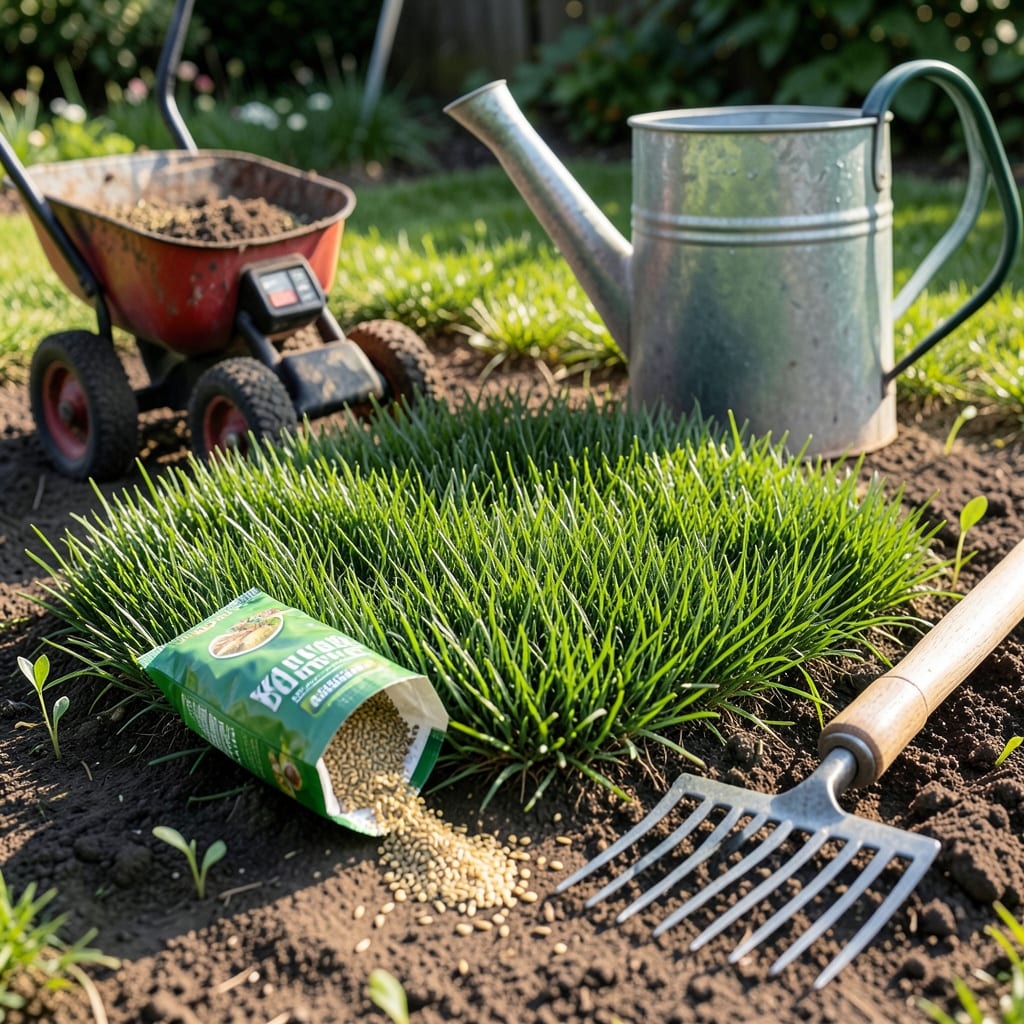
If you’re eager to plant grass in spring, timing isn’t just about the calendar—it’s about soil temperature and grass type. Cool-season grasses like Kentucky Bluegrass or Fescue thrive when soil hits 50°F-65°F, while warm-season varieties like Bermuda need 70°F-90°F.
Plant too early, and frost could kill tender seedlings. Wait too long, and summer heat may stress young roots. The sweet spot? 2-4 weeks after your last frost date, when soil is warm enough for germination but still moist from spring rains.
| Region | Cool-Season Grasses | Warm-Season Grasses | Soil Temp Threshold |
|---|---|---|---|
| Northeast | Late March – Mid-April | Not recommended | 50°F+ |
| Midwest | Early April – Early May | Late May – June | 55°F+ (cool) / 65°F+ (warm) |
| South | February – March | April – June | 60°F+ (warm) |
| West | March – April | May – July | 50°F+ (cool) / 70°F+ (warm) |
*Check local frost dates and use a soil thermometer for accuracy.
In the Northeast, I recommend planting cool-season grasses like Ryegrass or Fine Fescue in late March to mid-April. These varieties establish quickly in cooler soils and handle late frosts better than warm-season types.
For Midwest gardeners, early April is ideal for Kentucky Bluegrass, but wait until late May for Zoysia or Bermuda. The soil needs to warm significantly for warm-season grasses to germinate reliably.
Southern states have a longer window—you can plant cool-season grasses as early as February and warm-season varieties through June. Just watch for late freezes in Texas or Oklahoma.
Out West, water availability often dictates timing. Plant cool-season grasses in March-April to take advantage of spring rains. For warm-season grasses, wait until May when soils are reliably warm.
No matter your region, always check the 10-day forecast before planting. A surprise frost can wipe out new seedlings. I use a soil thermometer (available at garden centers) to confirm temps—it’s more reliable than air temperature.
If you’re overseeding an existing lawn, early spring (before weeds germinate) is best. For new lawns, late spring gives grass a head start before summer stress. And remember: evening planting reduces moisture loss from midday sun.
Pro tip: Mix grass types for resilience. A blend of Kentucky Bluegrass (for durability) and Fine Fescue (for shade tolerance) adapts better to variable spring conditions than a single variety.
I’ve seen too many new lawns struggle because of soil prep shortcuts. Spring planting is your one shot to get grass established before summer heat hits. The difference between a lush lawn and patchy disappointment? It’s all in the soil preparation before that first seed touches the ground.
Most DIYers focus on seed selection or watering schedules, but neglect the foundation. Compacted soil, wrong pH levels, or skipping a soil test can sabotage weeks of effort. Let’s tackle the top 5 soil mistakes—and how to fix them—so your grass gets the best start possible.
Let’s talk about soil testing first—it’s the most skipped step, yet the most critical. A basic test reveals your soil’s pH, nitrogen, phosphorus, and potassium levels. For example, if your pH is below 6.0, grass struggles to absorb nutrients, no matter how much fertilizer you add.
I always recommend amending with organic matter like compost or peat moss. Work in 2–3 inches into the top 6 inches of soil. This improves drainage in clay soils and water retention in sandy soils. Pro tip: Avoid fresh manure—it can burn tender new grass roots.
Another game-changer? Seed-to-soil contact. Many DIYers just scatter seed and hope for the best. Instead, lightly rake the soil after broadcasting seed, then roll the area with a lawn roller (or gently tamp with a shovel). This ensures seeds stay moist and germinate evenly.
Finally, don’t overlook weed control before planting. If you’ve had weed issues, apply a pre-emergent herbicide 4–6 weeks before planting—or use corn gluten meal for an organic option. Just avoid herbicides after seeding; they’ll kill your new grass too!
Remember, great lawns start from the ground up. Fix these soil mistakes, and you’ll see faster germination, thicker turf, and far fewer bare spots. Your future self—and your neighbors—will thank you when summer rolls around! 🌱
Once your grass seed is in the ground, the real work begins. Those first 8 weeks are critical for establishing a lush lawn. I’ve seen too many homeowners plant perfectly—only to ruin their lawns with poor aftercare. Let’s fix that with a simple routine. Watering is your top priority, but timing and technique matter just as much as frequency.
Your new grass needs consistent moisture to germinate and take root. Aim for light daily watering (just enough to keep the top inch of soil damp) until sprouts appear. Once blades reach 2-3 inches tall, switch to deep soaking—about 1-1.5 inches per week, including rainfall. Early morning is best to reduce evaporation and fungal risks.
💡 Pro Tip: Walk on your lawn after week 6—if it springs back, roots are established!
Mowing too soon is a common mistake that stunts growth. Wait until grass reaches 3-4 inches, then set your mower to 2-2.5 inches for the first cut. Always use a sharp blade to avoid tearing tender grass. If you see yellowing tips, you’re either cutting too short or mowing when the grass is wet.
Weeds love bare soil, so pre-emergent herbicides aren’t an option for new lawns—they’ll block grass seeds too. Instead, hand-pull weeds or use organic solutions like corn gluten meal (apply after 4-5 mowings). For stubborn weeds, spot-treat with vinegar spray, but avoid overspray on young grass. Watch for crabgrass in thin areas—it thrives in summer heat.
By week 8, your lawn should be dense and green, but don’t slack off! Gradually reduce water to 1 inch per week and mow regularly to encourage thickening. If patches remain sparse, overseed in early fall—spring-planted grass often needs a boost. Now’s also the time to test soil pH and adjust if needed for long-term health. ✂️
For cool-season grasses like Kentucky Bluegrass or Fescue, aim for 50°F-65°F. Warm-season varieties (Bermuda, Zoysia) need 70°F-90°F. Use a soil thermometer to check at 2-inch depth in the morning for accuracy.
It’s risky. Cool-season grasses might survive light frosts, but tender sprouts can die if temps drop below 32°F. Wait until 2 weeks after your last frost date for best results. Check local frost charts for precision.
Squeeze a handful of soil—it should crumble easily, not stick together or feel bone-dry. If it forms a muddy ball, wait 2-3 days for drying. Test moisture at 1-2 inch depth where roots will grow.
Overwatering! New seedlings need consistent moisture, but soggy soil causes rot. Stick to light daily watering (just dampening the top inch) until sprouts appear, then switch to deep weekly soaks. Puddles = trouble.
Yes—but choose wisely. Apply a high-phosphorus starter (like 10-20-10) at planting to boost root growth. Avoid heavy nitrogen until after 3-4 mowings. Always water deeply after fertilizing to prevent burn.
