
Beautiful Plants For Your Interior
Beautiful Plants For Your Interior
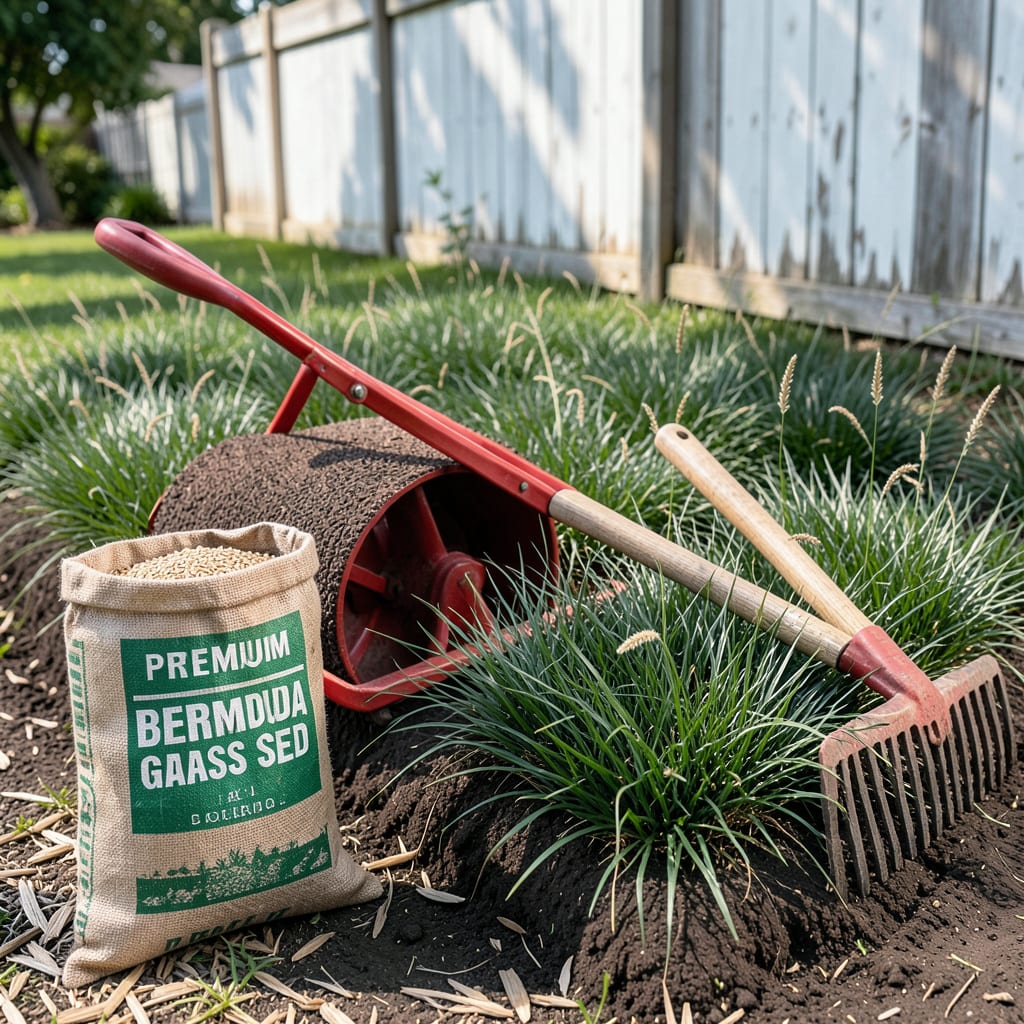
Timing your grass planting in Texas can mean the difference between a lush, vibrant lawn and a patchy disappointment. With our state’s dramatic climate swings—from scorching summers to unpredictable freezes—knowing the ideal seasonal windows for your specific region is crucial.
Whether you’re in the humid Gulf Coast or the arid Panhandle, I’ll break down when to plant warm-season favorites like Bermuda or cool-season options like Ryegrass. You’ll get a month-by-month guide tailored to Texas’s unique zones, so your 🌱 grass thrives from the start.
If you’ve ever wondered why your neighbor’s lawn looks like a golf course while yours resembles a patchwork quilt, timing might be the culprit. Texas’s diverse climate zones—from the humid Gulf Coast to the arid Panhandle—mean there’s no one-size-fits-all answer for planting grass. The key is matching your grass type to your region’s soil temperature and frost dates.
For most of Texas, warm-season grasses like Bermuda, Zoysia, St. Augustine, and Buffalograss thrive when planted in late spring to early summer, when soil temps hit 60°F–65°F. Meanwhile, cool-season grasses such as Ryegrass or Fescue are best for fall planting (September–October) in northern regions or as winter overseeding in southern lawns. Let’s break it down by zone.
In North Texas, where winters can dip into the 20s°, Tall Fescue is a cool-season standout for fall planting, while Bermuda dominates summer lawns. Central Texas gardeners swear by St. Augustine for its shade tolerance, but it demands more water than drought-resistant Buffalograss. Down south, Zoysia handles the heat and humidity like a champ.
For West Texas, where water restrictions are common, Buffalograss is my top pick—it thrives on just 1 inch of water per month once established. Along the Gulf Coast, St. Augustine’s salt tolerance makes it ideal, but watch for fungal diseases in high humidity. Always test your soil pH first; Texas soils tend to be alkaline (pH 7.5–8.5), which can lock out nutrients.
If you’re overseeding a warm-season lawn with Ryegrass for winter green, aim for early October in North/Central Texas. Further south, you can push this to late October or November. Avoid planting cool-season grasses after November 1—they won’t establish before winter dormancy. For spring planting, wait until soil temps stay above 60°F for at least 5 consecutive days.
Here’s a quick rule of thumb: Warm-season grasses need 90+ days of growth before the first frost. In Austin (Zone 8), that means planting Bermuda by June 1. In Dallas (Zone 7), shift that to May 15. For cool-season grasses, count backward from your average first frost date—November 15 in Dallas, December 1 in Houston.
Don’t forget soil prep! Till in 2–3 inches of compost to improve clay or sandy soils, and apply a starter fertilizer (like 16-4-8) at planting. Water daily for the first 2 weeks, then taper to deep, infrequent watering (1 inch per week). And if you’re sodding, lay it immediately after delivery—sod dries out fast in Texas heat! 🌡️
One mistake I see often? Planting too late in fall. Cool-season grasses need 4–6 weeks to root before winter. Similarly, summer-planted warm-season grass struggles with heat stress unless you’re irrigating daily. If you’re in doubt, fall planting (September–October) is your safest bet for most regions—cooler temps and fewer weeds mean less competition for your new lawn. 🌿
For drought-prone areas, consider native grasses like Buffalograss or Blue Grama. They require 75% less water than Kentucky Bluegrass and stay green with **min
Planning your grass planting around Texas’s unpredictable weather can feel like solving a puzzle. But with a month-by-month roadmap, you’ll know exactly when to prep, plant, and pamper your lawn for the best results. I’ve tailored this calendar to avoid summer heat stress and winter frost risks, so your grass gets the perfect start.
Remember, Texas spans five USDA zones (6–10), so adjust these windows by 2–3 weeks if you’re in the Panhandle (cooler) or Rio Grande Valley (warmer). Let’s dive into the ideal timeline for seeding, sodding, and overseeding—plus critical care tips for each season.
In March–April, focus on soil prep before planting. I recommend tilling in 1–2 inches of compost to break up Texas’s notorious clay or sandy soils. For Bermuda or Zoysia, use a starter fertilizer with a 1-2-1 NPK ratio to encourage root growth. If you’re sodding, lay it within 24 hours of delivery—Texas heat dries sod quickly!
May–June is your last chance for warm-season grasses in most regions. Pro tip: Water deeply but infrequently (1 inch per week) to train roots to grow downward. Avoid light, daily sprinkling—it promotes shallow roots and fungal issues. If you’re in West Texas, consider drip irrigation to conserve water while establishing new grass.
Come September–October, shift gears to cool-season grasses or overseeding. For
Even with perfect timing, Texas lawns can fail if you fall into common traps. I’ve seen too many homeowners waste time and money by ignoring our state’s unique challenges—like alkaline soils and brutal summers. Let’s tackle the biggest mistakes and how to fix them before they ruin your lawn.
The #1 error? Planting cool-season grass too late. Ryegrass or Fescue seeded after November 1 won’t root deeply enough to survive winter. Similarly, warm-season grasses planted in July’s heat often fry without daily irrigation. Texas’s clay soils also trick gardeners—they hold water but drain poorly, drowning roots if overwatered.
Another critical mistake is skipping weed control before planting. Texas lawns battle crabgrass, nutsedge, and dallisgrass—all of which outcompete new grass seedlings. I recommend applying a pre-emergent herbicide (like prodiamine) 4–6 weeks before planting to block weeds. If you’re overseeding, use a post-emergent herbicide 3 weeks prior to clear existing weeds.
Improper fertilization is another lawn killer. Using a high-nitrogen fertilizer in summer burns grass, while skipping starter fertilizer at planting starves seedlings. For new lawns, I use a 16-4-8 starter fertilizer at planting, then switch to a 3-1-2 ratio for maintenance. Always water immediately after fertilizing to prevent root burn.
Don’t forget about post-planting care! New grass needs consistent moisture for the first 2–3 weeks. Set sprinklers for early morning (4–8 AM) to reduce evaporation and fungal risks. Avoid evening watering—it invites dollar spot and brown patch fungi. For sod, roll it after laying to ensure soil contact, and keep foot traffic off for 2 weeks.
Finally, choosing the wrong grass for your region dooms your lawn. Planting Kentucky Bluegrass in West Texas means constant watering, while Buffalograss in the shady Piney Woods will thin out. Match your grass to your sun exposure, soil type, and water availability. When in doubt, native grasses like Buffalograss or Blue Grama are your safest bet—they’re drought-tolerant and low-maintenance. 🌿
For warm-season varieties like Bermuda or Zoysia, wait until soil reaches 60°F–65°F at a 2-inch depth. In Texas, this typically happens between March and May, depending on your region. Use a soil thermometer for accuracy—don’t guess!
It’s risky! July–August heat stresses new grass, requiring daily watering to survive. If you must, opt for sod over seed and plant early morning to reduce shock. Buffalograss handles heat best, but even it struggles in 100°F+ temps.
Warm-season grasses need 60–90 days to fully root, while cool-season types establish in 4–6 weeks. Avoid heavy foot traffic until roots reach 2–3 inches deep. Test by gently tugging grass—if it resists, it’s ready!
St. Augustine is the top shade-tolerant pick, thriving with just 4–6 hours of sun. For deeper shade, try Zoysia ‘Emerald’ or overseed with Fine Fescue in winter. Avoid Bermuda—it needs full sun to flourish.
Water daily for the first 2 weeks, keeping soil moist but not soggy. After that, shift to deep watering 2–3 times weekly (about 1 inch total). Early morning (4–8 AM) is ideal to reduce evaporation and fungal risks.
