
Beautiful Plants For Your Interior
Beautiful Plants For Your Interior
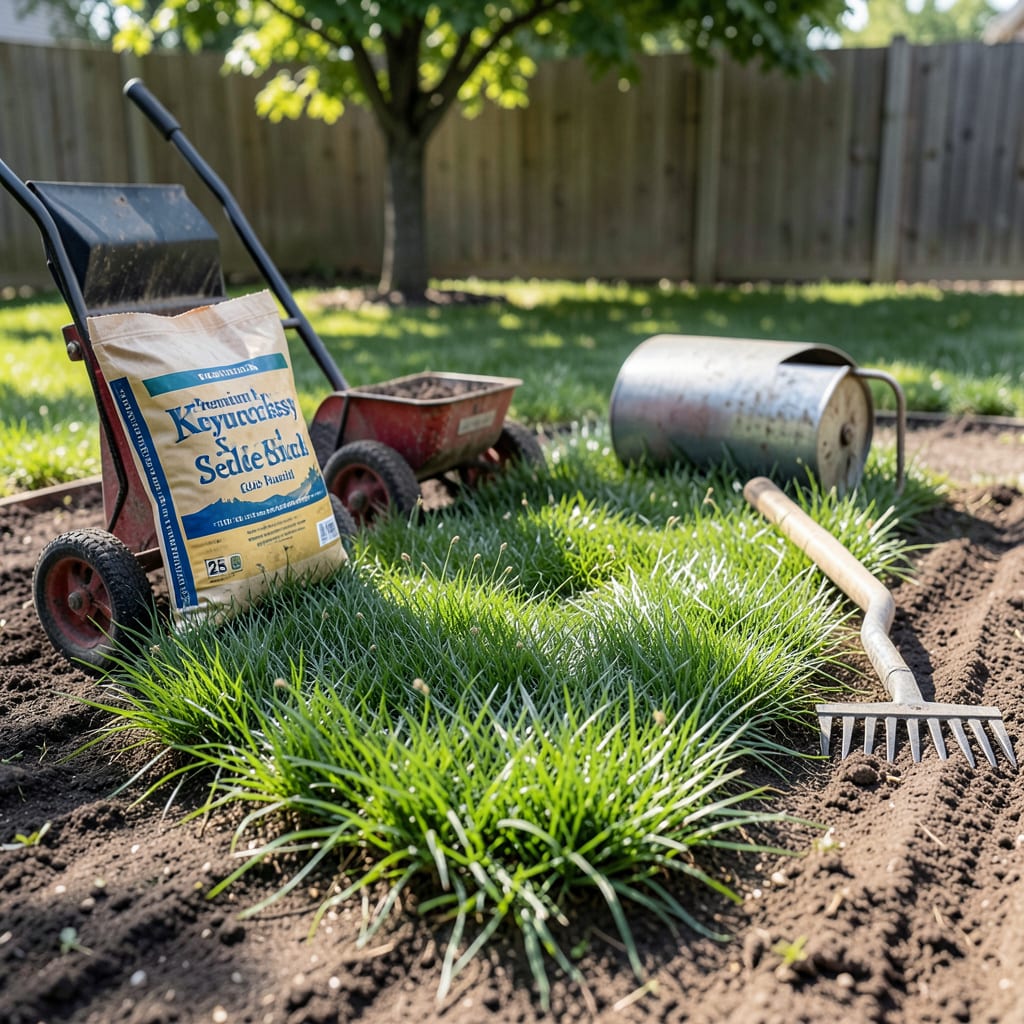
Timing your grass planting in Tennessee can mean the difference between a patchy yard and a lush, envy-worthy lawn. With our state’s unpredictable swings from humid summers to chilly winters, knowing the exact seasonal windows for cool-season and warm-season varieties is crucial.
Whether you’re in Memphis or the Smokies, I’ll break down when to plant for maximum success—plus the common mistakes that sabotage new lawns. Let’s get your 🌱 grass growing strong from day one.
If you’re dreaming of a lush Tennessee lawn, timing your grass planting is everything. Our state’s diverse climate zones—from the cooler Smoky Mountains to the humid Mississippi Delta—mean what works in Knoxville might flop in Memphis. I’ll break down the perfect seasonal windows for both cool-season and warm-season grasses.
Tennessee’s USDA zones 6-8 create two distinct planting seasons. Cool-season grasses like Tall Fescue thrive when planted in early fall (September-October), while warm-season varieties such as Bermudagrass need late spring (May-June) plantings. Soil temperature is your best guide—50-65°F for cool-season, 70-85°F for warm-season.
| Grass Type | Best Planting Time | Ideal Soil Temp | Tennessee Regions | Establishment Time |
|---|---|---|---|---|
| Tall Fescue | Sept 1 – Oct 15 | 50-65°F | Statewide | 7-14 days |
| Kentucky Bluegrass | Sept 15 – Oct 1 | 55-65°F | East & Middle TN | 14-21 days |
| Bermudagrass | May 15 – June 30 | 70-85°F | Statewide | 10-14 days |
| Zoysiagrass | May 1 – June 15 | 75-85°F | Middle & West TN | 14-28 days |
| Centipedegrass | April 15 – May 30 | 70-80°F | West TN | 21-30 days |
For East Tennessee (higher elevations, cooler temps), I recommend planting cool-season grasses 2 weeks earlier than the rest of the state. The Cumberland Plateau and Great Smoky Mountains regions often experience frost until mid-April, so hold off on warm-season grasses until soil consistently stays above 70°F.
Middle Tennessee gardeners have more flexibility. Nashville’s climate supports both grass types well, but I’ve seen best results with Tall Fescue in fall and Bermudagrass in late spring. The region’s clay-heavy soils warm up slower, so use a soil thermometer to confirm temperatures before planting.
Down in West Tennessee, the Mississippi River influence creates hotter, more humid conditions. Here, Zoysiagrass and Centipedegrass outperform other warm-season varieties. Plant these from mid-April through May for best establishment before summer heat peaks. Avoid cool-season grasses unless you’re prepared for extra summer watering.
Pro tip: Always check your local frost dates. In Tennessee, the last spring frost ranges from April 1 in Memphis to May 15 in the mountains. For fall planting, aim to get grass established 6 weeks before your area’s first expected frost (typically October 15-November 1 statewide).
Soil preparation makes or breaks your lawn success. I recommend testing your soil pH—Tennessee soils often need lime to reach the ideal 6.0-7.0 range for most grasses. Work in 2-3 inches of compost before planting, and consider a starter fertilizer (10-10-10 ratio) to give new grass a nutrient boost.
Watering is critical during establishment. New grass needs light daily watering (about ¼ inch) for the first 2 weeks, then gradually reduce to 1 inch weekly. In Tennessee’s clay soils, shallow watering causes runoff—use a soaker hose or irrigate in short cycles to ensure deep penetration.
Remember, Tennessee’s unpredictable weather can throw curveballs. I’ve seen late frosts in May and Indian summers in October. Keep an eye on the 10-day forecast before planting, and have frost blankets ready for unexpected cold snaps with new grass. Your patience in waiting for ideal conditions will pay off with a lawn that thrives for years. 🌱
Even experienced gardeners make costly mistakes when planting grass in Tennessee. Our state’s diverse microclimates—from the cool mountain valleys to the steamy river bottoms—demand region-specific strategies. What works in Chattanooga often fails in Jackson.
I’ve seen too many lawns struggle because of poor timing choices. Planting Tall Fescue in July or Bermudagrass in October practically guarantees disappointment. Let me show you the regional pitfalls to avoid for each grass type.
In East Tennessee, the biggest mistake I see is rushing warm-season grasses. The higher elevations stay cooler longer, and I’ve watched entire Bermudagrass plantings fail from a late May frost. Always wait until soil temps hit 70°F consistently—usually not until June 1 in the mountains.
Middle Tennessee gardeners often underestimate our heavy clay soils. Planting without amending leads to poor drainage and weak root systems. I recommend working in 3 inches of compost and performing a core aeration before seeding. The Nashville area’s summer droughts also catch many off guard—new lawns need daily watering for the first month.
Down in West Tennessee, the Mississippi River’s humidity creates unique challenges. The most common error here is overwatering Zoysiagrass. This drought-tolerant grass rots in soggy conditions. Set up a rain gauge and water only when you get less than 1 inch weekly from rainfall. Also avoid planting Centipedegrass in full sun areas—it prefers partial shade in this region.
Statewide, the #1 killer of new lawns is improper watering. Many homeowners either drown their grass or let it dry out. The key is light, frequent watering (¼ inch daily) for the first 2 weeks, then deep soaking (1 inch weekly) once established. Tennessee’s clay soils make this tricky—water in short 15-minute cycles to prevent runoff.
Finally, don’t overlook post-planting care. I’ve seen beautiful new lawns ruined by mowing too soon or using wrong fertilizers. Wait until grass reaches 3-4 inches tall before first mow, and use a starter fertilizer (10-10-10 ratio) at planting. Avoid weed killers for the first 6 weeks—they’ll harm young grass too. 🌱
You’ve planted your grass at the perfect time—now the real work begins! Tennessee’s clay-heavy soils and unpredictable weather demand special attention during those critical first weeks. I’ll share my top three care strategies to transform your new seeding into a thriving lawn.
The first 30 days determine whether your grass will flourish or fail. Our state’s humid summers and variable rainfall create unique challenges. Let me walk you through the essential post-planting steps that Tennessee lawns need most.
Use short 15-minute cycles 2-3 times daily for first 2 weeks. Tennessee’s clay holds water poorly—prevent runoff with pulse irrigation.
Wait until grass reaches 3-4 inches tall before first cut. Set mower to highest setting and never remove more than ⅓ of blade at once.
Apply starter fertilizer (10-10-10) at planting, then high-nitrogen feed 6 weeks later. Skip fertilizers in summer heat for cool-season grasses.
Tennessee’s summer droughts test new lawns severely. I recommend installing a rain gauge to track moisture—supplement when weekly rainfall drops below 1 inch. For warm-season grasses like Bermudagrass, deep watering (1.5 inches weekly) encourages drought-resistant roots.
Our heavy clay soils compact easily, suffocating young grass. After the first month, perform a light core aeration to improve oxygen flow. Top-dress with ¼ inch compost to boost microbial activity. This simple step prevents the thatch buildup common in Tennessee lawns.
Watch for common Tennessee pests like grubs and chinch bugs. Apply beneficial nematodes preventatively in early summer. If brown patches appear, check for fungal diseases—our humidity creates perfect conditions for dollar spot and brown patch. Treat with neem oil at first signs.
Remember, Tennessee lawns need seasonal adjustments. Cool-season grasses may go dormant in July-August heat—don’t panic! Warm-season varieties might brown in winter but green up by May. Your careful post-planting care sets the stage for years of lush growth. 🌱
For cool-season grasses like Tall Fescue, aim for 50-65°F soil temps. Warm-season varieties need 70°F+, which typically arrives 2 weeks later than Middle/West TN due to higher elevations.
Use short 15-minute cycles 2-3 times daily for the first 2 weeks. Our clay holds water poorly, so pulse irrigation prevents runoff while ensuring deep root growth.
It’s risky. While Bermudagrass thrives in heat, July-August plantings struggle with drought stress. For best results, plant by June 30 to establish roots before peak summer.
Aim for 6 weeks before first frost (typically October 15 in most regions). In East TN, finish by September 30 due to earlier frosts.
Ignoring soil prep! Skipping pH tests or not amending clay leads to poor drainage. Always test and add 2-3 inches of compost before planting.
