
Beautiful Plants For Your Interior
Beautiful Plants For Your Interior
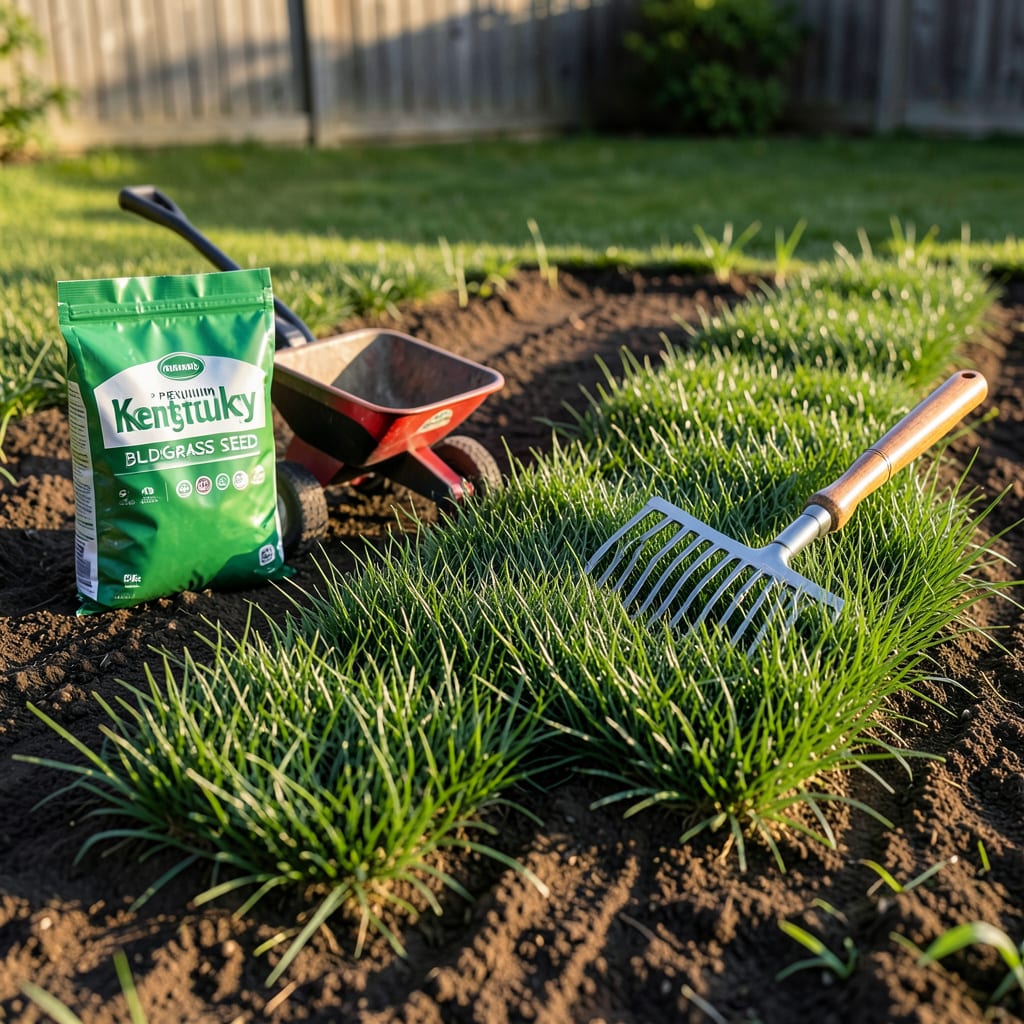
Dreaming of a lush, green lawn that makes your Ohio home the envy of the neighborhood? The secret isn’t just in what you plant—it’s when you plant it. One wrong move with timing, and you could be stuck with patchy grass or wasted effort all season.
After years of testing and research, I’ve nailed down the perfect seasonal windows for Ohio’s climate—whether you’re working with cool-season favorites or warm-season varieties. Let me show you exactly how to get it right the first time, so your 🌱 grass thrives from day one.
If you’ve ever wondered why your neighbor’s lawn looks like a golf course while yours resembles a patchwork quilt, the answer often boils down to one critical factor: timing. Ohio’s climate—with its USDA zones 5-6 and unpredictable swings—demands precision.
For cool-season grasses like Kentucky Bluegrass or Tall Fescue, the magic window is late summer to early fall. Warm-season varieties like Zoysia? They need late spring warmth to thrive. Let’s break down the exact timing so you never guess again.
| Grass Type | Best Planting Time | Soil Temp Range | Notes |
|---|---|---|---|
| Kentucky Bluegrass | Aug 15–Sep 30 | 50°F–65°F | Ideal for Northern Ohio; slow to establish |
| Tall Fescue | Aug 1–Sep 15 | 55°F–70°F | Drought-tolerant; great for Central Ohio |
| Perennial Ryegrass | Sep 1–Oct 15 | 50°F–65°F | Fast germination; mixes well with Bluegrass |
| Zoysia | May 15–Jun 30 | 70°F+ | Loves Southern Ohio heat; goes dormant early |
Soil temps measured at 2″ depth. Use a soil thermometer for accuracy.
Why does fall planting reign supreme in Ohio? It’s all about root development. Cool nights and warm days create the perfect conditions for roots to dig deep before winter. Spring planting works, but you’ll battle weeds and possible drought stress.
For warm-season grasses like Zoysia, patience is key. Wait until soil temps hit 70°F—usually late May in Ohio. Plant too early, and cold snaps can wipe out your efforts. These grasses thrive in Southern Ohio’s longer summers but struggle north of Columbus.
Pro tip: If you’re overseeding an existing lawn, early September is your golden ticket. The soil is still warm, but the air is cooler, reducing stress on new seedlings. Always mow low (1.5–2 inches) before seeding to ensure good seed-to-soil contact.
Not sure which grass to choose? Tall Fescue is my top pick for most Ohio lawns—it handles heat, cold, and drought better than Kentucky Bluegrass. For high-traffic areas, mix in 10–20% Perennial Ryegrass for quick coverage.
Remember, soil prep matters just as much as timing. Test your soil’s pH (aim for 6.0–7.0) and amend with compost if needed. A little effort upfront saves months of frustration later. Trust me, your future self—and your neighbors—will thank you.
Still unsure? Grab a soil thermometer (they’re cheap!) and check temps at 2-inch depth. When you hit 50°F in fall or 70°F in spring, it’s go time. No more guessing games—just a thicker, greener lawn that stays lush year after year.
Now that you’ve got the timing locked in, let’s talk about what to do next. Whether it’s soil prep, watering schedules, or avoiding common pitfalls, I’ll walk you through every step to make your Ohio lawn the best on the block.
🌱Ohio’s three distinct regions—Northern, Central, and Southern—each have their own microclimates that can make or break your grass planting success. I’ve spent years tracking frost dates and soil temps across the state, and here’s what I’ve learned: timing isn’t just seasonal, it’s hyper-local.
In Northern Ohio (Cleveland, Toledo), your last frost typically hits around April 15–May 1, while Southern Ohio (Cincinnati, Dayton) warms up sooner. Central Ohio (Columbus, Akron) falls somewhere in between. These differences mean your planting calendar should adjust by 2–3 weeks depending on where you live.
| Region | Cool-Season Grasses | Warm-Season Grasses | Key Prep Task |
|---|---|---|---|
| Northern Ohio | Aug 20–Sep 15 | May 20–Jun 10 | Soil test by July 15 |
| Central Ohio | Aug 15–Sep 10 | May 15–Jun 5 | Weed control by Aug 1 |
| Southern Ohio | Aug 10–Sep 5 | May 10–May 30 | Aerate by Aug 1 |
Adjust dates by ±7 days based on annual weather patterns. Check NOAA for real-time soil temps.
Here’s your month-by-month action plan for 2024: March–April is for soil prep—test pH, aerate, and apply compost. May–June focuses on warm-season grasses (Zoysia, Bermuda) in southern regions, while August–September is prime time for cool-season varieties statewide.
Watering schedules change dramatically by season. In spring, aim for 1 inch per week (including rain). Summer-new lawns need daily light watering (early morning only). Fall plantings thrive with deep, infrequent watering—1 inch every 5 days to encourage root growth before winter.
One mistake I see constantly? Planting too late in fall. If you seed after October 15 in Northern Ohio, those tender roots won’t establish before frost. Similarly, spring plantings often fail because homeowners don’t account for weed competition. Apply a pre-emergent herbicide 6 weeks before seeding to keep crabgrass at bay.
For post-planting care, mark these dates: 3 weeks after seeding, apply a starter fertilizer (20-27-5 ratio). At 6 weeks, mow to 3 inches—never remove more than ⅓ of the blade. And here’s my secret weapon: mulch your seed with straw (not hay!) to retain moisture and prevent erosion.
Still nervous about timing? Use the Ohio State University Extension’s lawn calendar tool for hyper-local advice. Or grab a $10 soil thermometer—when it reads 50°F at 2-inch depth, you’re cleared for cool-season planting. No more guessing, just science-backed results.
🌱After helping hundreds of Ohio homeowners troubleshoot their lawns, I’ve noticed the same five critical mistakes derailing even the best-laid plans. The good news? They’re all preventable with a little know-how. Let’s tackle them one by one so your grass gets the strong start it deserves.
First up: ignoring soil pH. Ohio’s native soil often skews acidic (pH <6.0), which locks out nutrients your grass needs. A simple $15 soil test from your local extension office reveals exactly what amendments you need. I’ve seen lawns transform overnight just by adding lime to raise pH or sulfur to lower it.
*Data sourced from Ohio State University Extension’s 2023 Lawn Care Study
The second most common issue? Poor seed-to-soil contact. I can’t tell you how many times I’ve seen homeowners broadcast seed over hard, compacted soil and wonder why nothing sprouts. The fix is simple: rake the area lightly after seeding, or use a lawn roller to press seeds into the soil. This ensures moisture reaches the seeds and roots can anchor properly.
Watering mistakes come in at a close third. New grass needs consistent moisture, but not drowning. Aim for 1 inch per week (including rainfall), delivered in light, frequent sessions (10–15 minutes twice daily). Once established, shift to deep, infrequent watering (1 inch every 5–7 days) to encourage root growth. A $5 rain gauge takes all the guesswork out of this.
Here’s a mistake that surprises people: choosing the wrong grass for their light conditions. Kentucky Bluegrass needs full sun, while Fine Fescue tolerates shade. If your yard has mature trees, don’t fight nature—opt for a shade-tolerant mix. I recommend 70% Fine Fescue + 30% Perennial Ryegrass for partially shaded Ohio lawns.
Finally, never—never—plant grass during Ohio’s summer droughts. July and August’s heat and humidity stress new seedlings, leading to poor establishment. If you must plant in summer, water twice daily (early morning and evening) and provide temporary shade with burlap screens. Your best bet? Wait for fall’s cooler temps and let nature do the heavy lifting.
🌱For cool-season grasses like Kentucky Bluegrass, aim for 50°F–65°F at a 2-inch depth. Warm-season varieties (Zoysia, Bermuda) need 70°F+. Use a soil thermometer for accuracy—it’s the best way to avoid guessing.
It’s risky due to heat stress, but possible with extra care. If planting in summer, water twice daily (early morning and evening) and use shade cloth. Your best bet? Wait for fall’s cooler temps for less maintenance and better results.
Keep soil consistently moist but not soggy. Water lightly twice daily (10–15 minutes) for the first two weeks, then transition to 1 inch per week. A rain gauge helps track moisture—don’t rely on guesswork!
For shady yards, Fine Fescue is your top pick—it thrives with just 4 hours of sunlight. Mix it with 30% Perennial Ryegrass for quicker establishment. Avoid Kentucky Bluegrass—it struggles in low-light areas.
Skipping soil prep! Many plant without testing pH or loosening compacted soil. Always test pH (aim for 6.0–7.0) and aerate before seeding. This small step prevents months of frustration later.
