
Beautiful Plants For Your Interior
Beautiful Plants For Your Interior
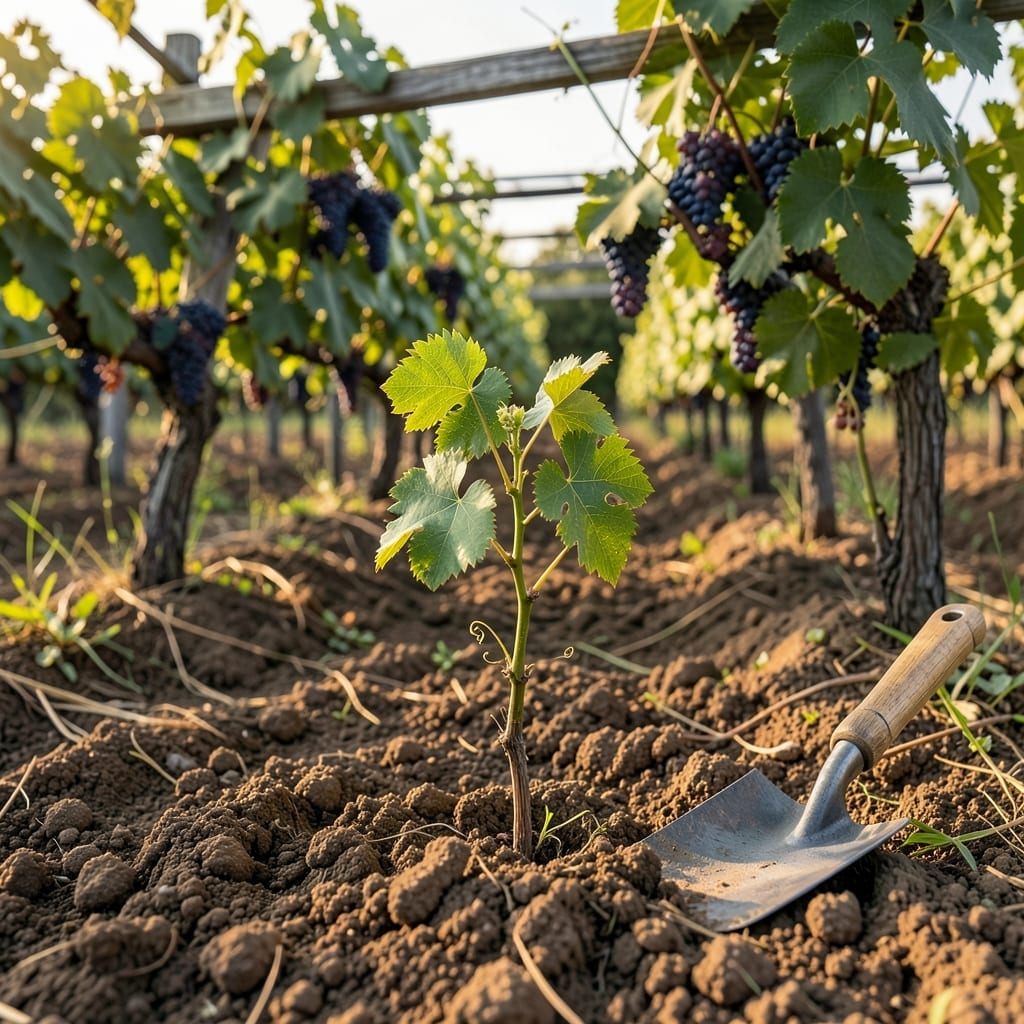
Timing is everything when it comes to planting 🍇 Grape—get it right, and you’ll enjoy bountiful harvests for decades. Plant at the wrong time, and your vines may struggle to establish or produce lackluster fruit.
For most growers in zone 6, the sweet spot is March to April, when the soil warms but frost risks fade. This window gives roots time to settle before summer heat kicks in.
I’ll break down the seasonal schedule so you can plant with confidence. Let’s set your vines up for long-term success.
Getting the planting timing right for grape vines ensures strong root establishment and vigorous growth. I’ve found that early spring works best for most regions, but the exact window varies by climate zone and frost dates.
For cold climates like USDA zones 3-5, wait until late April or May when the soil warms to at least 50°F. In moderate zones 6-7, March to April is ideal, as in my own zone 6 garden.☀️
| Climate Zone | Best Planting Months | Key Consideration |
|---|---|---|
| Cold (3-5) | Late April-May | Avoid frost damage |
| Moderate (6-7) | March-April | Soil at 50°F+ |
| Warm (8-10) | Feb-March or Oct-Nov | Avoid summer heat |
In warm climates (zones 8-10), you have more flexibility. I recommend late winter (February-March) or early fall (October-November) to avoid the intense summer heat that can stress young vines.
For bare-root vines, always plant in early spring before buds break. This gives roots time to establish before the growing season. If you’re using container-grown vines, you can plant slightly later.
The last frost date is critical. In zone 6, we aim to plant 2-3 weeks after the last frost, typically around April 15. This timing prevents frost damage to tender new growth.
Soil temperature is just as important as air temperature. Use a soil thermometer to check that the ground is at least 50°F at a 6-inch depth. Cold soil inhibits root growth and can stunt your vines.
For fall planting, aim for 6 weeks before the first frost. This gives roots enough time to settle. In zone 6, that means planting by early September at the latest.🌱
If you’re in a region with mild winters, fall planting can be advantageous. The cooler temperatures reduce stress on the vines, and winter rains help with root establishment. Just be sure to mulch heavily to protect against any unexpected cold snaps.
Remember, these are general guidelines. Always check your local frost dates and adjust accordingly. When in doubt, spring planting is the safest bet for most gardeners.✂️
Timing your grape planting correctly is just the start. To ensure strong growth and abundant harvests, you’ll need to focus on seasonal care and preparation. I’ve learned that spring and fall each have unique advantages for grape vines.
For spring planting, I always prepare the soil in advance by testing pH (ideal range is 6.0-6.5) and amending with organic compost for better drainage and fertility. This gives young vines a nutrient-rich start.☀️
When planting in spring, I space vines 6-8 feet apart to allow for air circulation and future growth. This prevents fungal diseases and ensures each vine gets enough sunlight and nutrients.
For fall planting, I prioritize root establishment before winter. I water vines weekly unless rain provides 1 inch of moisture. This helps roots settle without becoming waterlogged, which can rot the roots.
After planting, I always prune back the top growth to 2-3 buds. This might seem counterintuitive, but it directs energy to root development rather than leaf growth, creating a stronger foundation for the vine.🌿
Finally, I avoid over-fertilizing newly planted vines. Too much nitrogen can promote leafy growth at the expense of fruit production. Stick to a balanced fertilizer (like 10-10-10) and follow label instructions carefully.✂️