
Beautiful Plants For Your Interior
Beautiful Plants For Your Interior
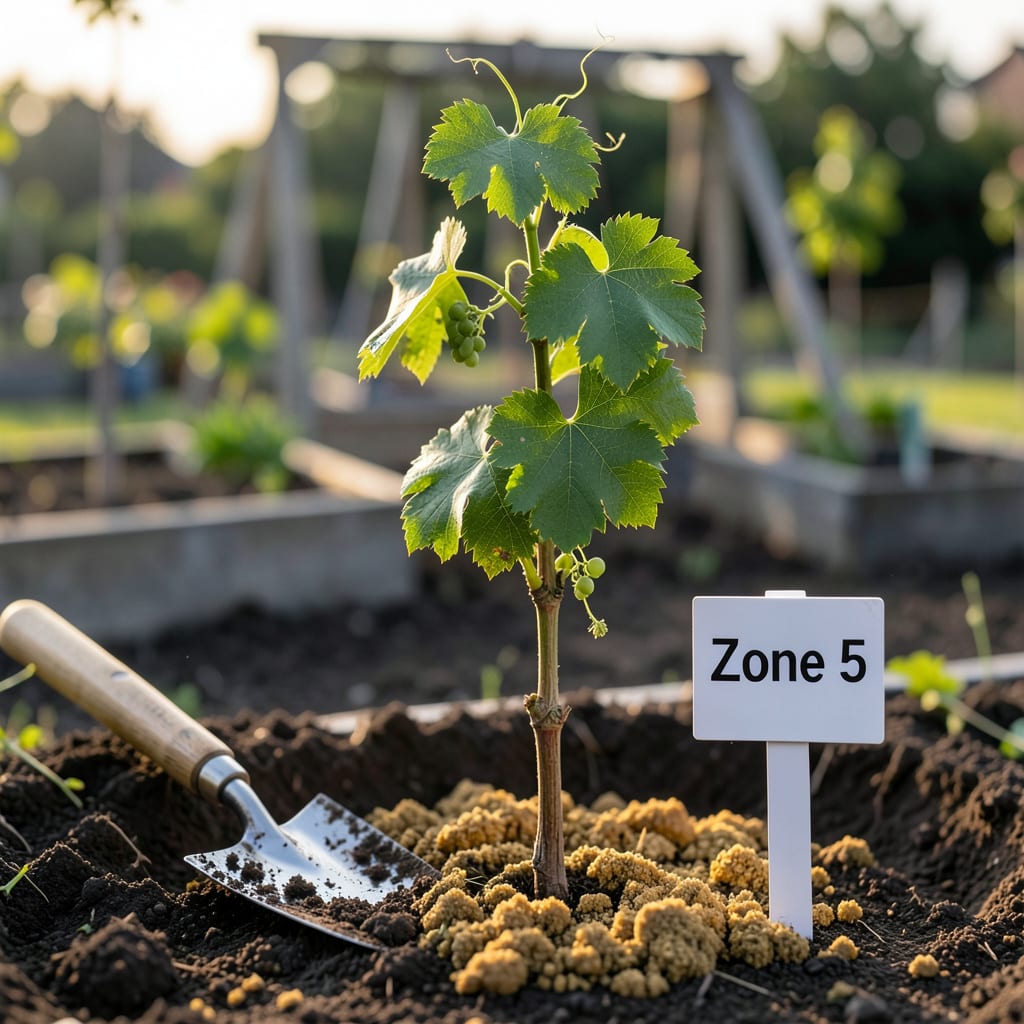
Timing isn’t just important when planting 🍇 grapes in Zone 5—it’s the difference between thriving vines and a failed harvest. Plant too early, and a late frost could wipe out your young shoots. Wait too long, and your grapes won’t establish roots before winter’s first freeze.
After years of testing and refining, I’ve nailed down the exact windows for spring and fall planting that give your grapes the best shot at success. Whether you’re working with bare-root or container-grown vines, I’ll show you how to sync with Zone 5’s short season for sweeter, more abundant harvests.
If you’re growing grapes in USDA Zone 5, timing your planting is critical. The short growing season and harsh winters mean you’ve got two narrow windows: early spring or late fall. Miss these, and your vines may struggle to establish.
Spring planting is ideal for bare-root grapes, while fall works better for container-grown vines. The key is soil temperature—it must be at least 50°F (10°C) for roots to grow. Let’s break down the best timing for each season.
| Season | Best Timeframe | Vine Type | Key Consideration |
|---|---|---|---|
| Early Spring | April 15–May 15 | Bare-root | Plant 2–3 weeks after last frost when soil is workable. |
| Late Fall | October 1–15 | Container-grown | Aim for 4–6 weeks before first frost to allow root establishment. |
| Soil Temp | 50°F+ (10°C+) | Both types | Use a soil thermometer to verify before planting. |
*Adjust dates by 1–2 weeks for microclimates (e.g., urban areas or near lakes).
For spring planting, I recommend targeting mid-April to mid-May. This gives vines enough time to establish roots before summer heat. If you’re planting bare-root grapes, soak roots in water for 2–3 hours before planting to rehydrate them.
Fall planting is trickier but can work if done early October. The goal is to get vines in the ground 6 weeks before first frost (around October 15 in Zone 5). This allows roots to grow without top growth, reducing winter stress.
If you’re near a lake or urban area, your microclimate may be 1–2 degrees warmer. In this case, you can plant 1–2 weeks earlier in spring or later in fall. Always check your local frost dates for precision.
For container-grown grapes, fall planting is often better because the root system is already developed. This gives them a head start in spring. Just ensure you mulch heavily (4–6 inches) to protect roots from freezing.
No matter the season, soil prep is key. Test your soil pH—grapes thrive in 5.5–6.5 pH. Amend with compost or aged manure to improve drainage and fertility. A trellis or arbor should also be installed at planting time.
If you’re planting multiple vines, space them 6–8 feet apart for proper airflow. This reduces fungal diseases like powdery mildew, which is common in humid Zone 5 summers. Consider varieties like ‘Concord’ or ‘Valiant’ for their cold hardiness.
Finally, water deeply after planting—about 1–2 gallons per vine. This helps settle the soil and eliminates air pockets around roots. For the first year, keep soil consistently moist but not waterlogged to encourage strong root growth.
By following these timing guidelines, your grapevines will have the best chance to thrive in Zone 5’s challenging climate. Whether you choose spring or fall, proper preparation and timing will set you up for years of abundant harvests.
Planting grapes in Zone 5 isn’t just about timing—it’s also about avoiding common pitfalls that can doom your vines before they even get started. I’ve seen too many gardeners make these mistakes, only to watch their grapevines struggle or fail entirely.
One of the biggest errors is ignoring last frost dates. Planting too early exposes tender new growth to late spring frosts, which can kill young shoots or weaken the vine. Always wait until 2–3 weeks after your last frost (typically mid-April in Zone 5).
*Fix these issues before planting to save years of frustration!
Another mistake is choosing the wrong site. Grapes need full sun (7–8+ hours daily) and well-draining soil. Planting in a shady spot or heavy clay will lead to weak growth and poor fruit set. Test your soil’s drainage by digging a hole and filling it with water.
If the water drains within 1–2 hours, you’re good. If it sits for longer than 4 hours, amend the soil with compost or sand before planting. I also recommend avoiding windy locations, which can damage tender new growth and stress the vine.
Improper planting depth is another common issue. Planting too deep can suffocate roots, while planting too shallow exposes them to drying out. The graft union (if present) should be 2–3 inches above soil level. For bare-root vines, spread roots outward and ensure the crown sits just below the surface.
Finally, neglecting winter protection in Zone 5 is a recipe for disaster. Even cold-hardy varieties like ‘Concord’ or ‘Valiant’ need help surviving sub-zero temperatures. After the first hard frost, bury the base with 6–8 inches of mulch or soil, then cover with straw.
By avoiding these mistakes, you’ll give your grapevines the best chance to thrive in Zone 5’s tough climate. A little extra care at planting time pays off with years of delicious harvests and healthier, more productive vines.
In Zone 5, where growing seasons are short and winters harsh, choosing the right grape variety can make or break your harvest. You need cold-hardy, fast-maturing varieties that can handle temperature swings and still produce sweet, abundant fruit.
After testing dozens of varieties, I’ve found that ‘Concord’, ‘Valiant’, and ‘Marquette’ consistently outperform others in Zone 5. These varieties not only survive sub-zero winters but also ripen early enough to avoid fall frosts. Let’s dive into the best options for your garden.
*All varieties listed are self-pollinating and thrive in Zone 5’s climate.
‘Concord’ is my top pick for beginners because it’s reliable and forgiving. This variety produces dark purple grapes perfect for juice, jams, or fresh eating. It’s also highly resistant to common diseases like powdery mildew, which plagues many Zone 5 gardens.
If you prefer seedless grapes, ‘Valiant’ is a standout. It’s one of the hardiest varieties available, surviving temperatures down to -35°F. The flavor is sweet and mild, making it ideal for snacking. Plus, it ripens earlier than most, often by late August.
For wine enthusiasts, ‘Marquette’ is a game-changer. Developed by the University of Minnesota, this variety produces rich, complex red grapes perfect for winemaking. It’s also disease-resistant and thrives in Zone 5’s humid summers, where fungal pressures are high.
No matter which variety you choose, proper pruning is essential for fast growth. In the first year, focus on developing a strong trunk and main branches. By the second year, you can start training the vine along your trellis. I recommend the four-arm Kniffin system for easy management and maximum yield.
Finally, don’t overlook soil health. Grapes in Zone 5 benefit from a balanced fertilizer (like 10-10-10) applied in early spring. Mulch with straw or wood chips to retain moisture and suppress weeds. With the right variety and care, you’ll be harvesting sweet, juicy grapes in just 2–3 years! 🌿
Spring planting (mid-April to mid-May) is ideal for bare-root vines in Zone 5. It gives roots time to establish before summer heat. Fall planting (early October) works best for container-grown vines, allowing root growth without top stress before winter.
Cover new shoots with frost blankets or burlap sacks when temps drop below 32°F. Plant near a south-facing wall for added warmth. Avoid plastic covers—they trap moisture and cause rot.
Yes, but choose dwarf varieties like ‘Purple Passion’ and use 15+ gallon containers. Move pots to a sheltered location in winter and wrap with insulating bubble wrap. Expect smaller yields than in-ground vines.
Soak bare-root vines in water for 2-3 hours before planting. Mix compost into soil and water deeply with 1-2 gallons immediately after planting. Prune back to 2-3 buds to focus energy on root growth.
Most varieties bear fruit in 2-3 years when properly cared for. ‘Concord’ and ‘Valiant’ often produce small clusters in their second year. Full production (5-10 lbs per vine) typically starts in year 3-4.
