
Beautiful Plants For Your Interior
Beautiful Plants For Your Interior
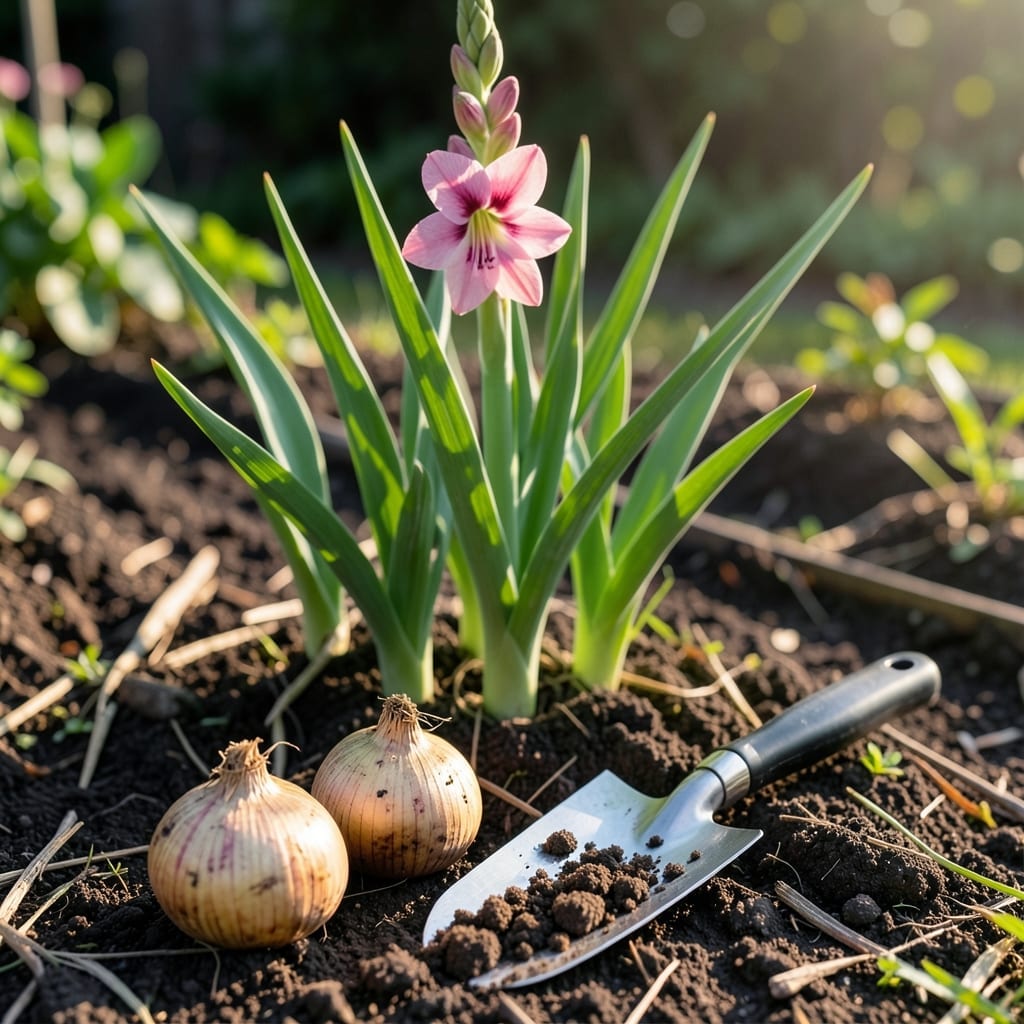
There’s something magical about watching Gladiolus 🌷 transform a garden with their towering, colorful spikes. But here’s what most gardeners get wrong: timing is everything with these beauties.
Plant them too soon, and a late frost might ruin your efforts. Wait too long, and you’ll miss the prime blooming window. The good news? I’ve cracked the code for perfect timing.
Let me show you exactly when to get those corms in the ground for vibrant summer displays that’ll be the talk of your neighborhood.
Timing your Gladiolus planting perfectly means understanding your climate zone. In warmer areas like USDA zones 8-11, you can plant corms as early as March for summer blooms.
Cooler regions in zones 4-7 should wait until April or May, after the last frost date, when soil temps hit 55-60°F. This ensures strong root development before summer heat.
| Zone | Planting Time | Bloom Window |
|---|---|---|
| Zones 8-11 | March – April | June – August |
| Zones 4-7 | April – May | July – September |
| Zone 3 | May – June | August – September |
For earlier blooms, start corms indoors in pots 4-6 weeks before your last frost date. This gives them a head start in shorter growing seasons.
In mild winter areas, you can plant a second crop in late summer for fall blooms. Just ensure they have 8-10 weeks before the first frost.
Soil temperature is more important than calendar dates. Use a soil thermometer to check—corms won’t sprout well in cold soil below 50°F.
If you’re in a hot desert climate, plant in partial shade and provide afternoon relief from intense sun. This prevents heat stress on developing plants.
For container gardening, you can plant glads 2-3 weeks earlier than in-ground since pots warm up faster. Just watch for late frosts that could damage new growth.
I always mark my planting dates on a calendar based on my local frost dates. It’s the simplest way to never miss the optimal window for these stunning flowers.
Remember, succession planting every 2 weeks gives you continuous blooms all summer long. This trick works especially well in zones 5-7 with longer growing seasons.
To get the most from your Gladiolus, start with well-draining soil enriched with compost. I always mix in bone meal for extra phosphorus, which boosts flower production.
Plant corms 4-6 inches deep and 6 inches apart. Deeper planting in hot climates helps prevent toppling during summer storms. In windy areas, consider staking taller varieties early.
For longer bloom seasons, use succession planting. I plant a new batch of corms every 2 weeks until early summer. This staggering ensures continuous flowers from July through September.
Watering is crucial after planting. Give them 1-2 inches weekly, preferably in the early morning. Avoid overhead watering to prevent fungal diseases on the foliage.
In container gardens, use pots at least 12 inches deep. Glads need room for their root systems to develop properly. Ensure containers have drainage holes to prevent root rot.
I’ve found that deadheading spent blooms encourages the plant to direct energy toward producing more flowers rather than seeds. Just snip off the faded blooms while leaving the foliage intact.
Finally, don’t rush to remove foliage after blooming. Let it yellow and die back naturally to feed the corm for next year’s growth. This simple step ensures bigger, better blooms next season. 🌷