
Beautiful Plants For Your Interior
Beautiful Plants For Your Interior
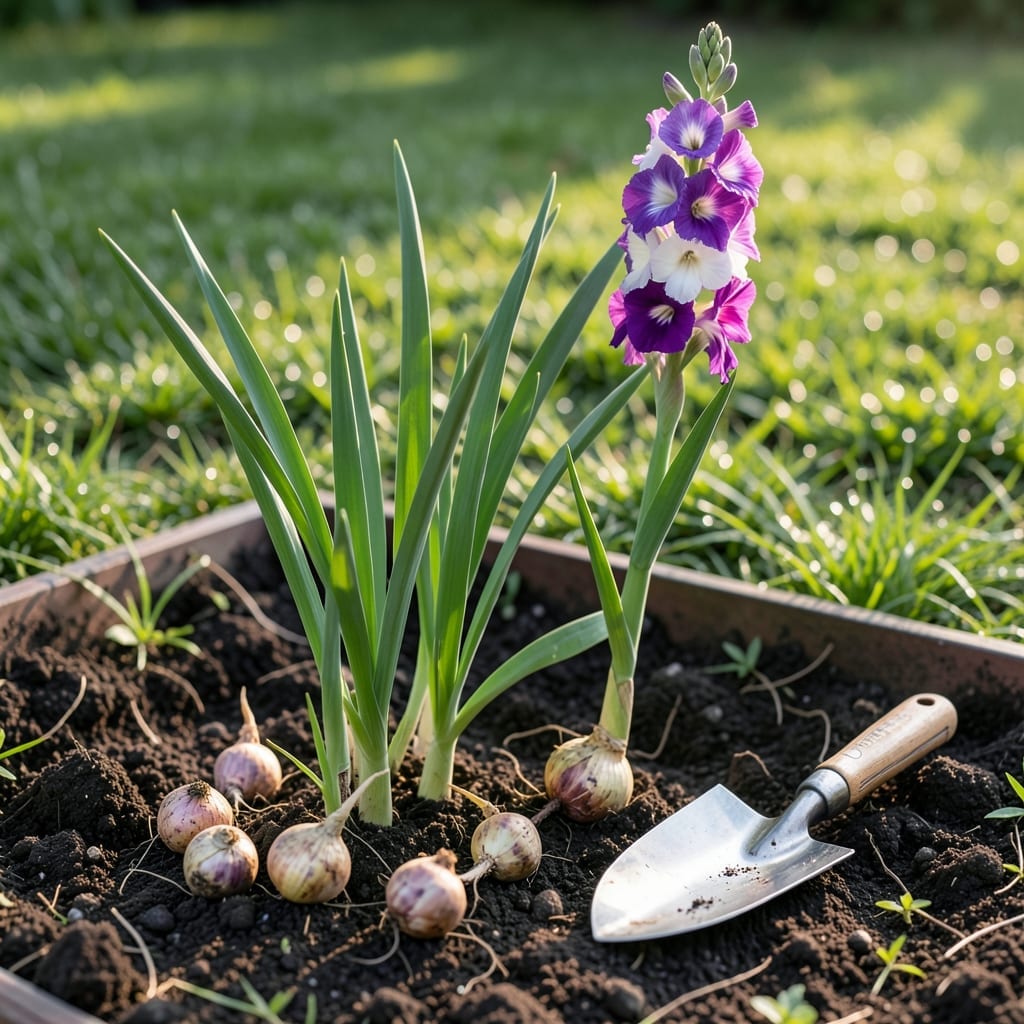
Timing is everything when it comes to planting Gladiolus 🌸 bulbs—get it right, and you’ll be rewarded with stunning blooms all season long.
I’ve learned that planting too early or too late can make all the difference between a vibrant display and a disappointing one. Whether you’re in zone 6a or elsewhere, the right timing ensures your Gladiolus thrives.
Discover the most important factors for perfect timing, from soil temperature to frost dates, and set your garden up for success.
Getting the timing right for Gladiolus bulbs means understanding your USDA zone and local frost dates. These stunning flowers thrive when planted after the last frost, when the soil has warmed to at least 55-60°F. 🌱
In my experience, planting too early can lead to rot, while planting too late may result in weaker blooms or no flowers at all. The key is to align your planting with the ideal soil temperature and seasonal conditions. 🌿
| USDA Zone | Planting Window | Soil Temp | Notes |
|---|---|---|---|
| 3-4 | Late April – May | 55-60°F | Wait until after last frost |
| 5-6 | Mid-April – May | 55-60°F | Soil warms faster here |
| 7-8 | March – April | 60-65°F | Early start possible |
| 9-10 | February – March | 60-65°F | Winter planting works |
For cooler zones like 3-4, I recommend waiting until late April or May to plant, as the soil takes longer to warm. This ensures your Gladiolus corms won’t be damaged by late frosts. In these areas, mulching can help retain soil warmth. ☀️
If you’re in warmer zones 7-10, you can start planting as early as February or March. The soil stays warmer, and the risk of frost is minimal. However, avoid planting during extreme heat, as this can stress the bulbs. 🌡️
I always check my local soil temperature with a simple thermometer. If it’s consistently below 55°F, I hold off on planting. This small step can prevent many common issues like poor germination or stunted growth. 🌱
Another tip: plant your Gladiolus bulbs in succession every 2 weeks for continuous blooms throughout the season. This staggered approach ensures you’ll have fresh flowers from early summer to fall. 🌷
Remember that well-draining soil is crucial, regardless of your zone. Gladiolus bulbs hate sitting in water, so amending heavy clay soil with compost or sand can make a big difference in their performance. 💧
In my garden, I’ve found that planting in full sun with at least 6-8 hours of direct light daily produces the most vibrant blooms. If your area has intense afternoon sun, consider providing some light shade to prevent scorching. ☀️
Finally, keep an eye on the weather forecast as your planting time approaches. A sudden cold snap can set back your bulbs, so it’s worth waiting for stable, warm conditions. I’ve learned this the hard way after losing a few early plantings to unexpected frosts! 🌿
Once you’ve determined the perfect planting window for your zone, it’s time to focus on the how-to. I’ve found that proper depth and spacing are just as crucial as timing for healthy Gladiolus growth. 🌱
For the best results, I always plant my Gladiolus corms about 6 inches deep and 6 inches apart. This gives them enough room to develop strong roots while providing stability against wind. The deeper planting also helps prevent toppling in tall varieties. 🌿
I always start by preparing the soil thoroughly. Gladiolus prefer well-draining soil with plenty of organic matter. I work in a 2-3 inch layer of compost before planting to improve both drainage and fertility. This step makes a noticeable difference in bloom quality. ☀️
When placing the corms in the ground, I make sure the pointed end faces upward. If you’re unsure which end is which, the flatter side should be down. Planting them upside down won’t prevent growth, but it will delay it significantly. 🌷
After planting, I water deeply to help settle the soil and encourage root growth. Then I add a 2-inch layer of mulch to help retain moisture. In my experience, straw or shredded bark work particularly well as mulch for Gladiolus. 💧
For tall Gladiolus varieties, I install stakes or supports at planting time. This prevents damage to the corms later when adding supports to mature plants. I use bamboo stakes or garden rings for this purpose, which work beautifully. 🌻