
Beautiful Plants For Your Interior
Beautiful Plants For Your Interior
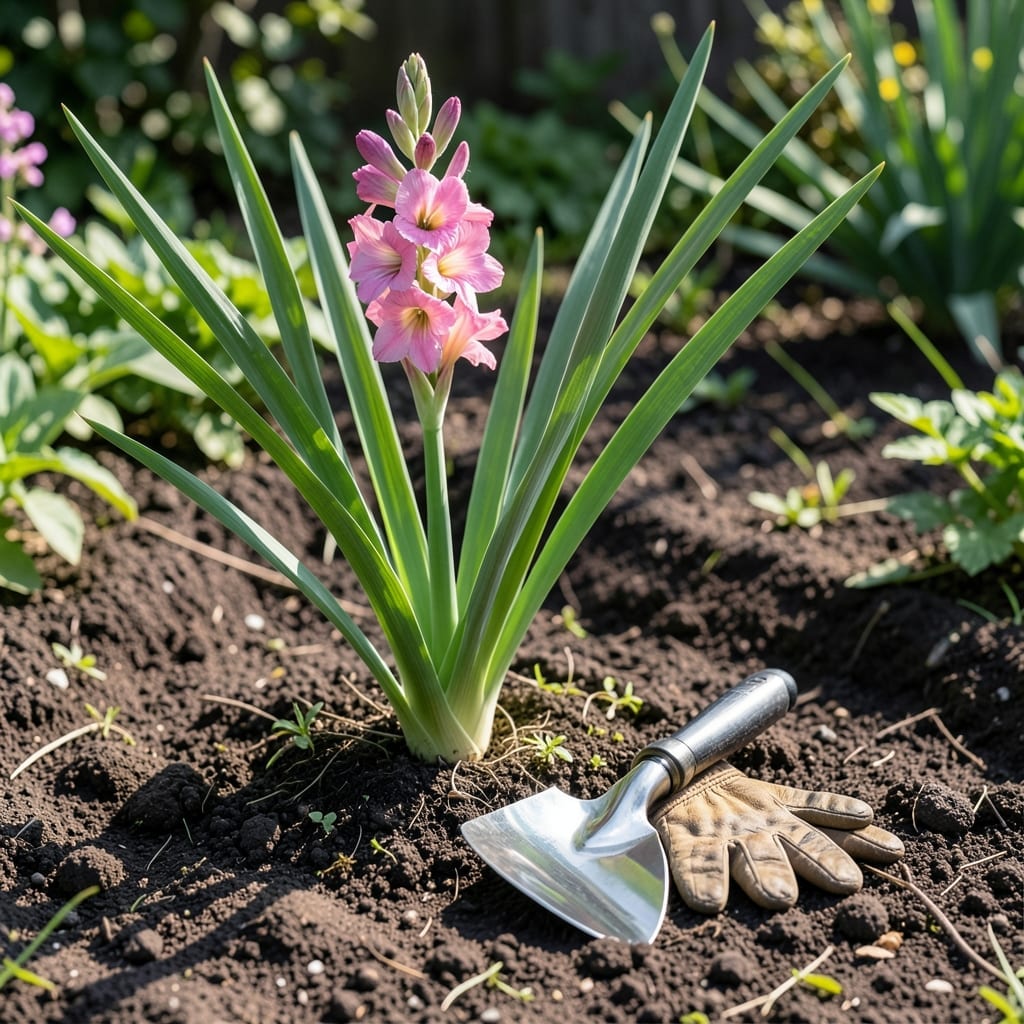
Timing is everything when planting Gladiolus 🌸 bulbs in Oklahoma—plant too early and frost may ruin them, too late and they’ll miss their peak blooming season.
In our 6b-7a zone, the window is tight but rewarding. Get it right, and you’ll be rewarded with stunning, vibrant flowers that become the talk of the neighborhood.
I’ve learned through trial and error that March to April is the sweet spot, but there’s more to it than just dates. Soil temperature and frost risks play a huge role in your success.
Discover the exact conditions and timing to ensure your Gladiolus thrive from the moment they hit the ground. Let’s dig in.
Oklahoma spans USDA zones 6-8, which means our planting windows for gladiolus bulbs vary slightly. In zones 6-7, the sweet spot is mid-March to early April, while zone 8 gardeners can start a bit earlier. ☀️
The key is waiting until soil temperatures hit 55-60°F and all danger of frost has passed. Oklahoma’s last average frost date is around April 15, but I always check the local forecast before planting. 🌡️
| Zone | Planting Window | Frost Considerations | Soil Temp |
|---|---|---|---|
| 6b-7a | Mid-March to Early April | After April 15 | 55-60°F |
| 7b | Early March to Mid-April | After April 1 | 55-60°F |
| 8a | Late February to Early April | After March 15 | 55-60°F |
For continuous blooms, I plant a new batch of bulbs every 2-3 weeks until early summer. This succession planting ensures I have gladiolus flowers from June through September. 🌷
If you’re in zone 8, you can often get away with planting as early as late February, but I’d still recommend waiting until March to avoid any surprise cold snaps. Oklahoma weather can be unpredictable!
The ideal soil temperature is non-negotiable. Cold soil can cause bulbs to rot before they even sprout. Use a soil thermometer to check—55°F is the minimum, but 60°F is even better for faster growth. 🌱
Remember that Oklahoma’s clay soil warms up slower than sandy soils. If you’re eager to plant early, consider raising beds or using black plastic to speed up warming. This trick has saved my bulbs more than once.
For those in cooler microclimates, like the Panhandle, stick to the later end of the window. Warmer areas near the Red River can push the early side. When in doubt, wait for consistent warmth. ✂️
I’ve found that morning planting helps bulbs establish before the heat of the day. And always plant in full sun—gladiolus need at least 6-8 hours of direct light to thrive in Oklahoma. 🌞
Finally, mark your calendar for bulb removal in fall. Oklahoma’s winters can be harsh, so I dig up my gladiolus corms after the first frost and store them indoors until spring. This extra step ensures healthy bulbs for next year’s planting.
Planting Gladiolus bulbs in Oklahoma’s clay-heavy soil requires some prep work. I always start by amending the soil with compost to improve drainage, as these bulbs hate soggy roots. This step is non-negotiable for healthy growth and vibrant blooms.
Once your soil is ready, timing and technique matter. The right depth and spacing ensure your Gladiolus have room to thrive without competing for nutrients. Oklahoma’s variable weather means you’ll need to stay adaptable, but the basics remain consistent.
After planting, mulching is your next best friend. A 2-3 inch layer of organic mulch helps retain moisture and keeps soil temperatures stable, which is crucial given Oklahoma’s drought-prone summers. It also suppresses weeds that compete with your Gladiolus.
Watering is another key factor. I recommend deep watering once a week in the morning, allowing the soil to dry slightly between sessions. This encourages strong root development and prevents fungal issues that thrive in damp conditions.
For continuous blooms, consider succession planting. Plant a new batch of bulbs every 2-3 weeks until early summer. This staggered approach ensures you’ll have Gladiolus flowers from mid-summer through fall.
Finally, keep an eye on the weather. If a late frost is forecasted after planting, cover your bulbs with a frost cloth to protect them. Oklahoma’s unpredictable springs demand a little extra vigilance. ✂️