
Beautiful Plants For Your Interior
Beautiful Plants For Your Interior
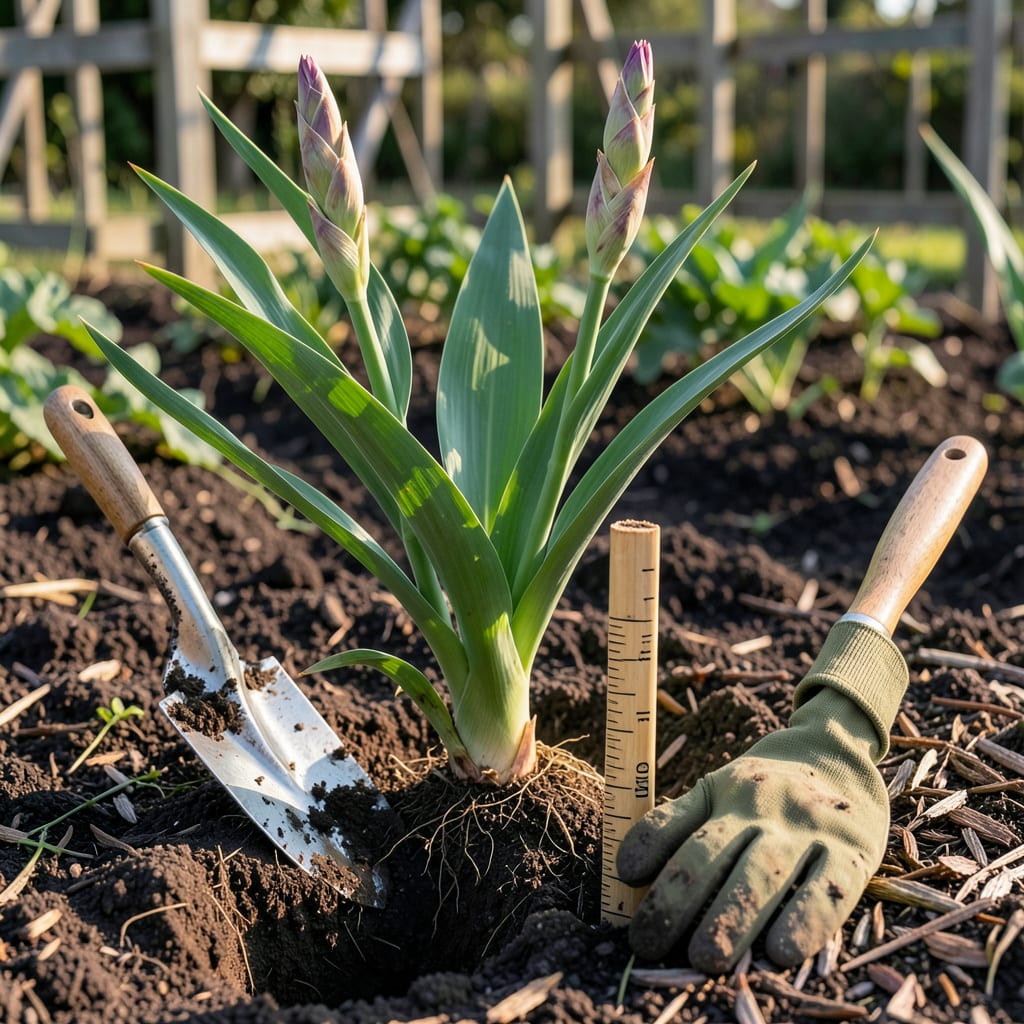
There’s nothing quite like the drama of 🌸 gladiolus spikes towering over an Ohio garden in full summer bloom—but timing your planting wrong means missing the show entirely. One misjudged week in our unpredictable spring can leave bulbs rotting in cold soil or struggling to catch up.
After years of testing (and a few failed attempts), I’ve nailed the sweet spot for Ohio’s Zone 6a climate. Here’s exactly when to get those corms in the ground—plus the pro tricks to ensure your glads steal the season. Let’s dig in.
Ohio’s unpredictable springs can make planting gladiolus bulbs a bit tricky, but timing it right ensures those stunning summer spikes. The key is waiting until soil temperatures hit at least 55°F—usually mid-April to early May for most of the state. Northern Ohio gardeners should lean toward late April, while southern regions can start earlier.
Ohio spans USDA Zones 5-6, meaning frost dates vary. In Cleveland (Zone 6a), aim for late April, while Cincinnati (Zone 6b) can plant in early April. Always check your local frost date—glads are tender and won’t survive a hard freeze. When in doubt, use a soil thermometer to confirm warmth at planting depth.
| City | USDA Zone | Planting Window | Last Frost Date |
|---|---|---|---|
| Columbus | 6a | April 15–30 | April 15 |
| Cleveland | 6a | April 20–May 5 | April 20 |
| Cincinnati | 6b | April 1–15 | April 10 |
| Toledo | 6a | April 25–May 10 | April 25 |
*Adjust dates by 1–2 weeks for microclimates (urban areas warm faster).
If you’re eager to get a head start, consider pre-sprouting corms indoors 4–6 weeks before planting. Place them in a sunny window or under grow lights with well-draining potting mix. This trick works especially well in cooler areas like Ashtabula County, where springs stay chilly longer.
Soil prep matters just as much as timing. Glads thrive in loamy, well-draining soil with a pH of 6.0–6.5. If your soil is heavy clay (common in parts of Ohio), amend it with compost or sand to improve drainage. A 2-inch layer of mulch after planting helps retain moisture and suppress weeds.
For a longer bloom season, try succession planting: plant a new batch of corms every 10–14 days through early June. This staggers blooms so you’ll have fresh cuts from July through September. Pair glads with dahlias or cannas for a bold, tropical-looking border.
Watch for late spring cold snaps—Ohio’s weather can swing dramatically. If temps dip below 40°F after planting, cover young shoots with frost cloth or straw. Avoid plastic covers, which can trap moisture and encourage rot. Once stems reach 6 inches tall, they’re more cold-hardy.
In southern Ohio, where summers get hotter, afternoon shade can prevent scorching. Plant glads where they’ll get morning sun but protection from intense 3 PM rays. Northern gardeners should prioritize full sun (6+ hours) since their season is shorter.
Pro tip: Mark your calendar for fall digging if you’re in Zone 5 or 6. Gladiolus corms won’t survive Ohio winters in the ground. After the first frost blackens the foliage, carefully dig, dry, and store them in a cool, dark place (40–50°F) until next spring.
Finally, keep an eye out for thrips and slugs—common Ohio pests that love glads. Use diatomaceous earth for thrips and beer traps for slugs. Healthy, well-timed plantings are less susceptible to stress and pests, so nailing that April–May window sets you up for success! 🌸
Now that you know when to plant, let’s dive into the how. Planting gladiolus bulbs in Ohio isn’t just about timing—it’s also about giving them the right start. I’ve found that soil prep and proper spacing make all the difference in getting those towering, vibrant blooms.
Start by choosing a sunny spot with at least 6–8 hours of direct light daily. Glads are sun-worshippers, and Ohio’s summers (though sometimes unpredictable) are perfect for them. If your soil is heavy or clay-like, work in 2–3 inches of compost or sand to improve drainage. A pH test is worth it—glads prefer 6.0–6.5.
For a non-stop bloom show, use the succession planting trick I mentioned earlier. Plant a new batch of corms every 10–14 days until early June. This way, you’ll have fresh spikes ready to cut from July through September. It’s like having a gladiolus conveyor belt in your garden!
Watering is critical in the first few weeks. Keep the soil evenly moist but not soggy—about 1 inch per week. Once stems reach 12 inches tall, you can cut back slightly, but never let the soil dry out completely. Ohio’s summers can swing from drought to downpour, so check soil moisture regularly.
Fertilizing gives glads the boost they need for those dramatic blooms. At planting, mix in a balanced fertilizer (10-10-10) or one slightly higher in phosphorus (like 5-10-10). Then, feed lightly every 4–6 weeks during the growing season. Stop fertilizing by late August to let the corms harden off for winter storage.
Finally, don’t forget about pest control. Ohio’s humid summers can attract thrips and slugs, both of which love gladiolus. I swear by diatomaceous earth for thrips and beer traps for slugs. A little prevention goes a long way in keeping your plants healthy and your blooms pristine. 🌸
Even with perfect timing, a few common mistakes can derail your gladiolus display. I’ve seen Ohio gardeners lose entire plantings to rotten corms or stunted growth—all because of avoidable errors. Let’s tackle the biggest pitfalls so your glads thrive instead of struggle.
The #1 mistake? Planting too early in Ohio’s unpredictable springs. Soil temps below 55°F cause corms to rot before they sprout. Always use a soil thermometer—don’t guess! Even in southern Ohio, a late frost can wipe out early plantings. Wait until 2 weeks after your last frost date for safety.
Another critical error: overcrowding corms. Glads need 6 inches of space between plants for airflow, which prevents fungal diseases in Ohio’s humid summers. Plant them too close, and you’ll get weak stems and fewer blooms. Use a ruler if you’re unsure!
Watering mistakes are just as damaging. Overwatering in spring leads to rot, while underwatering in summer causes floppy stems. Aim for 1 inch of water weekly, adjusting for rain. Ohio’s weather swings mean you’ll need to check soil moisture often—stick your finger 2 inches deep to test.
Finally, don’t forget fall care! Many Ohio gardeners leave corms in the ground, but our winters kill them. After the first frost, dig, dry, and store corms in a cool (40–50°F) spot. Label varieties—trust me, you’ll forget by spring! With these fixes, your glads will reward you with months of bold color. 🌸
Planting before soil reaches 55°F risks corm rot or frost damage. Ohio’s unpredictable springs mean early planting often leads to stunted growth or total loss. Always wait 2 weeks after last frost for safety.
No, Ohio’s winters are too harsh for gladiolus corms. After first frost, dig them up, dry thoroughly, and store in a cool (40-50°F) place. Replant next spring for best results.
Plant 4-6 inches deep in well-draining soil, with the pointed end facing up. In heavy clay (common in Ohio), lean toward 4 inches to prevent rot. Use a ruler to check depth if unsure.
Use succession planting: sow new corms every 10-14 days through early June. This staggers blooms, giving you fresh cuts from July-September. Pair with dahlias for continuous color.
Stake tall varieties at planting and cover young shoots with frost cloth if temps dip below 40°F. Avoid plastic covers—they trap moisture. Once stems reach 6 inches, they’re more resilient.
