
Beautiful Plants For Your Interior
Beautiful Plants For Your Interior
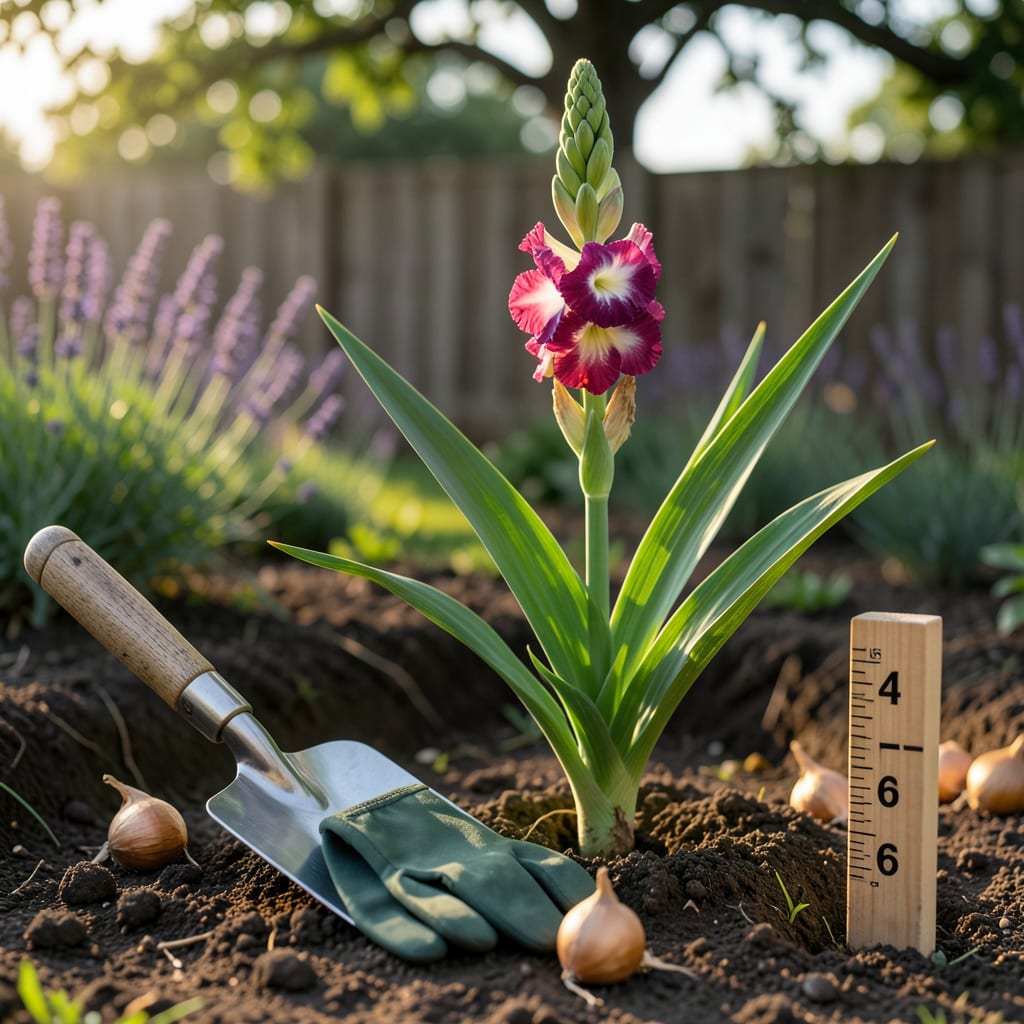
Michigan’s unpredictable springs can turn gladiolus planting into a guessing game—plant too soon, and a late frost might wipe out your summer blooms. But here’s the good news: with the right timing, you can enjoy those stunning 3-6 ft spikes of color from July through September.
I’ve tested the ideal window for Zone 5b-6b, and it comes down to two things: soil temperature and frost dates. Stick with me, and I’ll show you exactly when to get those bulbs in the ground—plus how to protect them if Michigan’s weather throws a curveball.
If you’ve ever dreamed of towering gladiolus spikes lighting up your Michigan garden, timing is your secret weapon. Our state’s USDA Zones 5-6 mean frost dates vary wildly—from early May in southern Michigan to late May in the Upper Peninsula. Plant too soon, and a late freeze could wipe out your bulbs. Wait too long, and you’ll sacrifice weeks of summer blooms.
Here’s the golden rule: Gladiolus bulbs (corms) need soil temps of 55–60°F to thrive. That typically means planting 2–3 weeks after your last frost date. But Michigan’s microclimates add complexity—coastal areas warm faster than inland spots, and urban heat islands can shift timelines by weeks.
| Zone | Last Frost Date | Planting Window | First Blooms |
|---|---|---|---|
| Zone 4 (UP) | May 15–30 | June 1–15 | Late July–August |
| Zone 5 (Lower) | April 20–May 10 | May 10–25 | Mid-July–September |
| Zone 6 (South) | April 1–15 | April 20–May 5 | Early July–Late August |
Pro Tip: Use a soil thermometer to confirm temps—don’t guess! Cold soil = rotting corms.
For succession planting (and blooms all summer), I plant a new batch of corms every 10–14 days until early July. This staggers the bloom times, giving you fresh cut flowers from mid-July through September. In warmer Zone 6 areas, you might sneak in an extra late planting around July 1 for early fall color.
Michigan’s sandy soils (common in the western Lower Peninsula) drain fast and warm quicker, so you can plant 5–7 days earlier than clay-heavy areas. But if you’re gardening in Detroit’s clay or Traverse City’s loam, amend with compost to hit that 55°F threshold faster. A black plastic mulch can also speed warming by 2–3 weeks in cooler zones.
Watch the 10-day forecast before planting. If nighttime temps will dip below 50°F, hold off or use row covers to protect emerging shoots. I’ve lost count of how many gardeners I’ve seen rush to plant after a warm April week—only to regret it when May brings a hard frost. Patience pays off with glads!
In the Upper Peninsula (Zone 4), the short season means you’ll want to pre-sprout corms indoors 4–6 weeks early. Place them in peaty mix at 60°F, then transplant after hardening off. This trick can buy you an extra 3–4 weeks of growing time, critical for varieties like ‘Priscilla’ or ‘Green Star’ that need 90+ days to mature.
For cut flower growers, aim to plant 50–60 corms per variety to ensure a steady supply. I space mine 6 inches apart in rows, with tall varieties (like ‘Blue Isle’) at the back of borders. In windy areas (looking at you, Lake Michigan shoreline), stake early with bamboo supports to prevent toppling.
Don’t forget: Gladiolus are not winter-hardy in Michigan. After the first frost blackens the foliage (usually mid-October), dig up corms, dry them, and store in a cool, dark place (40–50°F) until next spring. Skipping this step means replanting every year—trust me, saving your own is far cheaper!
If you’re in southeast Michigan (Zone 6), you might push the envelope with a late September planting for corms to overwinter in-ground—but only with heavy mulch (6+ inches of straw). I’ve had mixed success with this, so I recommend digging unless you’re willing to risk losing a few to rot or freeze.
For the most reliable results, stick to the zone-specific windows in our table, and you’ll be rewarded with 3–4 foot spikes bursting with color just in time for summer parties and county fairs. And if you’re craving even more impact, pair your glads with dahlias (plant those in late May) for a knockout cutting garden!
Even experienced Michigan gardeners can sabotage their gladiolus display with a few common missteps. After years of trial and error (and more than a few rotted corms), I’ve narrowed it down to three deadly mistakes that’ll ruin your summer blooms before they even start.
The biggest offender? Planting in cold, wet soil. Gladiolus corms rot faster than you’d think when soil temps dip below 55°F. I’ve seen gardeners in Zone 5 rush to plant after a warm April week, only to lose everything to a May frost. Always wait until 2 weeks after your last frost date—no exceptions.
🌡️ Too Early: Planting before soil hits 55°F causes corms to rot. Zone 4 gardeners, this means you!
🕳️ Too Deep/Shallow: 4–6 inches deep is ideal. Too shallow = flopping stems; too deep = no blooms.
💨 No Wind Protection: Michigan’s summer storms snap un-staked 5–6 ft spikes. Use bamboo stakes at planting time.
“I lost 30 corms my first year by planting in April. Now I wait until Mother’s Day weekend in Zone 5!” —Traverse City gardener
Another rookie error is ignoring planting depth. Gladiolus corms need to be 4–6 inches deep, with the pointed end up. Plant them too shallow, and you’ll get weak, toppling stems. Bury them too deep, and they’ll struggle to emerge—or worse, bloom below soil level. In Michigan’s sandy soils (common near Grand Rapids), I go for 6 inches to prevent drying out.
Here’s one most gardeners overlook: skipping wind protection. Michigan’s summer storms and Lake Effect winds can turn your gladiolus spikes into a tangled mess overnight. I stake every variety over 4 feet tall with bamboo stakes at planting time—don’t wait until they’re flopping! For extra security in windy areas (like along Lake Huron), use chicken wire cages around clusters.
Finally, don’t assume “set it and forget it” works with glads. They’re heavy feeders and need 1 inch of water weekly (more in sandy soil). I use a balanced 5-10-10 fertilizer at planting, then again when shoots hit 6 inches tall. Skip this, and you’ll get weak stems and sparse blooms. In Detroit’s urban gardens, where soil nutrients are often depleted, I add worm castings for an extra boost.
One last Michigan-specific tip: Never leave corms in the ground winter. Our Zone 5-6 winters will kill them. After the first frost (usually mid-October), dig up corms, dry them for 2–3 weeks in a warm spot, then store in mesh bags at 40–50°F. I’ve tried overwintering with mulch in Zone 6, and even with 8 inches of straw, I lost half my stock. Not worth the risk!
If you’re growing glads for cut flowers, here’s a pro trick: Plant in groups of 10–12 for a continuous supply. I space mine 6 inches apart in north-south rows for even sun exposure. And always cut stems when the bottom 2–3 florets are open—the rest will bloom in your vase! This timing ensures you get 7–10 days of vase life per spike.
Remember, Michigan’s short growing season means every day counts. Avoid these mistakes, and you’ll be rewarded with 3–6 ft spikes packed with 10–20 blooms each—perfect for summer bouquets or showing off at your local county fair. Now grab your soil thermometer and get planting! 🌸
Michigan’s soil can be a gladiolus grower’s nightmare—whether you’re dealing with heavy clay in Detroit or sandy dunes near Grand Haven. But with a few simple amendments, you can transform even the toughest dirt into a gladiolus paradise. The key is balancing drainage, nutrients, and pH.
Start with a soil test (kits are $15 at your local MSU Extension office). Gladiolus thrive in pH 6.5–7.0. If your soil is acidic (common in the UP), add lime; for alkaline soils (like in Flint), mix in sulfur or peat moss. I test my soil every spring—it’s the only way to know exactly what your glads need.
Pro Tip: In raised beds, gladiolus perform best with a 50/50 mix of garden soil and compost. Avoid pure topsoil—it compacts too easily!
If you’re gardening in urban areas (like Detroit or Grand Rapids), your soil may be contaminated with heavy metals. I recommend planting glads in raised beds with fresh soil or using container gardens for cut flowers. A 18″ deep bed gives roots plenty of room while keeping contaminants at bay.
For sandy soils (common along Lake Michigan), work in organic matter like well-rotted manure or worm castings. This helps retain moisture and nutrients. In clay-heavy regions (southeast Michigan), add perlite or coarse sand to improve drainage. I’ve found that gladiolus in amended clay grow 20% taller with stronger stems than those in unamended soil.
Don’t skip the pre-plant fertilizer! I use a 5-10-10 blend (high phosphorus) at planting, mixing 1 tbsp per corm into the soil below. Then, when shoots reach 6 inches tall, I side-dress with compost tea for a nutrient boost. This two-step feeding ensures bigger blooms and sturdier stems—critical for Michigan’s windy summers.
Finally, consider a soil-warming trick for early planting. Lay black plastic mulch over prepared beds 2–3 weeks before your target plant date. This can raise soil temps by 5–10°F, letting you plant 7–10 days earlier in cooler zones. Just remove the plastic when you plant to avoid overheating the corms.
Remember, gladiolus are heavy feeders but hate waterlogged roots. If your Michigan garden stays soggy after rain, build mounded rows (6″ high) or use French drains between planting areas. With these prep steps, you’ll see stronger plants, more blooms, and longer vase life from your cut flowers. Now grab your shovel—your glads are waiting! 🌿
Planting before soil reaches 55°F risks corm rot or frost damage. Michigan’s unpredictable springs often bring late frosts—even in Zone 6. Always wait 2 weeks after your last frost date to be safe.
No, gladiolus aren’t winter-hardy in Michigan’s Zones 5-6. After the first frost (usually mid-October), dig up corms, dry them for 2-3 weeks, and store in a cool (40-50°F) spot. Skipping this means replanting annually.
Stake varieties over 4 feet tall at planting time using bamboo stakes or metal rods. For extra security in windy areas (like Lake Michigan shorelines), surround clusters with chicken wire cages. This prevents toppling during summer storms.
Mix 3 inches of compost and 1 inch of coarse sand into the top 12 inches of soil. For Detroit-area gardens, consider raised beds with a 50/50 blend of garden soil and compost to improve drainage and prevent compaction.
In sandy areas (like Grand Rapids), water twice weekly with 1 inch total per week. Use a soaker hose to deliver moisture directly to roots and prevent evaporation. Mulch with 2 inches of straw to retain moisture between waterings.
