
Beautiful Plants For Your Interior
Beautiful Plants For Your Interior
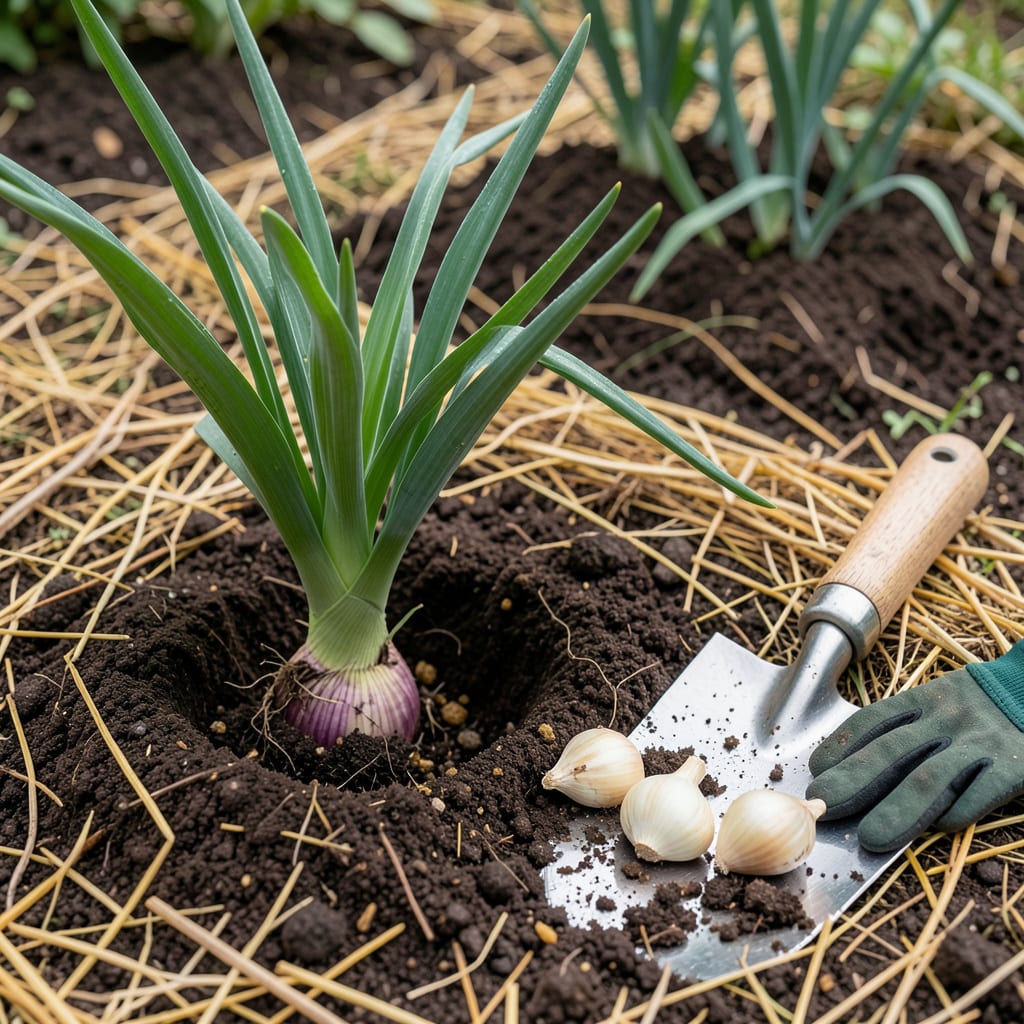
If you’ve ever pulled up tiny, underwhelming garlic bulbs after months of waiting, you know timing is everything—especially in Zone 9b. Our mild winters and early heat waves demand a different approach than colder regions, and nailing that planting window makes all the difference.
I’ve tested the limits of when to get 🧄 in the ground here, and the results might surprise you. Forget the one-size-fits-all advice—let’s break down the perfect fall timeline for Zone 9b, so you can grow garlic that’s bigger, bolder, and worth bragging about.
Zone 9b’s mild winters give us a unique advantage for garlic, but they also require precise timing. Unlike colder zones where garlic goes dormant under snow, our plants keep growing—slowly but steadily—through winter. That means planting too early can lead to premature sprouting, while planting too late stunts bulb development.
After years of testing, I’ve found the sweet spot is between mid-October and early December. But here’s the kicker: soil temperature matters more than the calendar. Aim for 60°F or cooler at planting depth—this prevents shock and encourages strong root growth before winter.
Here’s why this timing works: Garlic needs 4-6 weeks of root growth before winter slows things down. In Zone 9b, that means planting when nights dip into the 50s°F but days still hit 70°F. I use a soil thermometer to check—no guesswork!
If you miss the fall window, don’t panic. You can plant in January for a spring harvest, but expect smaller bulbs. The key is avoiding February planting, when rising temps trigger bolting instead of bulb formation. Trust me, I’ve learned this the hard way.
Pro tip: Pre-chill cloves for 2 weeks in the fridge if planting late. This mimics winter and kickstarts growth. Also, soak cloves in compost tea for 30 minutes before planting—it reduces transplant shock and boosts early root development.
Coastal gardeners, listen up: Your cooler ocean breezes mean you can push planting to late December without risk. Inland folks should wrap up by early December to avoid heat stress. And everyone—mulch with straw immediately after planting to regulate soil temps.
Remember, garlic is a long-game crop. What you do at planting determines your harvest 6-8 months later. I’ve seen doubled bulb size just by adjusting my timing by 2 weeks—so grab that calendar and mark your November 1st reminder now!
Still unsure? Try the “finger test”: Stick your finger 2 inches into the soil at 10 AM. If it feels cool (not cold or warm), it’s go time. And if you’re planting multiple varieties, stagger your dates—softnecks can go in earlier than hardnecks.
One final note: Water deeply after planting, then back off until spring. Overwatering in winter is the #1 killer of garlic in Zone 9b. Let the soil dry slightly between waterings—your bulbs will thank you with plump, paper-wrapped perfection come May. 🌱
Choosing between softneck and hardneck garlic can make or break your harvest in Zone 9b. Our warm winters and hot summers favor certain varieties, and picking the wrong type often leads to disappointing results. Let me save you the trial and error—I’ve tested both extensively.
In Zone 9b, softneck varieties like ‘Silverskin’ and ‘Artichoke’ are the clear winners. They handle our mild winters without bolting prematurely and store longer in our humid climate. But don’t count out hardnecks entirely—some, like ‘German White,’ can thrive with adjusted planting times.
Softnecks are my go-to for Zone 9b because they don’t require vernalization (cold treatment) to form bulbs. I’ve had ‘California Early’ produce jumbo cloves even in our warmest winters. Plant them 1-2 weeks earlier than hardnecks since they establish faster.
Hardnecks, while more finicky, reward you with complex flavors and edible scapes. The trick? Plant them in late November when soil temps are consistently below 60°F, and remove scapes promptly to redirect energy to bulb growth. I’ve found ‘Spanish Roja’ performs best in our inland areas.
Here’s a pro tip: If you’re torn, plant both! Dedicate one bed to softnecks for reliable harvests and another to hardnecks for gourmet eating. Just space hardnecks 8 inches apart—they need more room than softnecks’ 6-inch spacing. And always plant cloves pointed-end up, 2 inches deep.
Storage matters too. Softnecks will keep until next year’s harvest if cured properly, while hardnecks last about 4-6 months. I use mesh bags for softnecks (hang in a dry closet) and paper bags for hardnecks (store in the fridge). Never refrigerate softnecks—they’ll sprout!
One variety that consistently disappoints in Zone 9b? ‘Music’ hardneck. It struggles with our lack of deep winter chill and often produces small bulbs. Stick to ‘Silverskin’ for foolproof results, or try ‘Lorz Italian’ if you crave that hardneck punch. And remember: bigger cloves at planting = bigger bulbs at harvest. 🌱
Even experienced gardeners can sabotage their garlic crop in Zone 9b by making avoidable mistakes. Our warm winters and early heat waves create unique challenges that don’t apply to colder regions. After ruining more garlic than I’d like to admit, I’ve identified the three biggest pitfalls—and how to sidestep them.
The #1 mistake? Planting too late in the season. In Zone 9b, garlic needs those cool winter months to develop proper bulbs. I’ve seen gardeners wait until January or February, only to end up with tiny, underdeveloped cloves. The fix is simple: Get cloves in the ground by December 15 at the latest.
Another critical error is overwatering during winter. Our mild winters mean garlic keeps growing slowly, but soggy soil leads to root rot and fungal diseases. I water my garlic beds only when the top inch of soil is completely dry—usually every 3-4 weeks in winter. A drip irrigation system on a timer helps prevent overdoing it.
Ignoring soil preparation is the third major mistake. Garlic hates compacted or waterlogged soil. Before planting, I work in 2-3 inches of compost and a handful of coarse sand to improve drainage. A quick test: Dig a 12-inch hole and fill it with water. If it doesn’t drain within an hour, your soil needs more amendment.
Here’s a quick fix for each issue: For late planting, pre-chill cloves in the fridge for 2 weeks before planting. To prevent overwatering, mulch with straw to retain moisture evenly. And for poor soil? Raise your beds 6-8 inches and mix in 50% native soil + 50% compost. I’ve rescued many a garlic crop with these simple adjustments.
Remember, garlic is forgiving but not indestructible. The difference between a mediocre harvest and monster bulbs often comes down to avoiding these three mistakes. Mark your calendar for November planting, set a winter watering reminder, and test your soil before you plant. Your future self will thank you when you’re pulling up softball-sized garlic next spring! 🌱
Planting before mid-October risks premature sprouting since soil temps stay warm. The cloves may send up shoots too soon, making them vulnerable to winter stress or pest damage.
Yes, but choose varieties like ‘German White’ and plant in late November when soil cools. Remove scapes promptly to redirect energy to bulb growth. Hardnecks need more attention than softnecks in warm climates.
Water only when the top 1 inch of soil is completely dry—usually every 3-4 weeks. Overwatering causes rot. A drip system helps maintain consistent moisture without oversaturating.
Straw is ideal—it regulates soil temp, retains moisture, and suppresses weeds. Apply a 3-4 inch layer after planting. Avoid wood chips; they can tie up nitrogen.
It’s risky. Many are treated to prevent sprouting. Use seed garlic from reputable suppliers for disease-free, reliable growth. If trying grocery cloves, choose organic and pre-chill for 2 weeks.
