
Beautiful Plants For Your Interior
Beautiful Plants For Your Interior
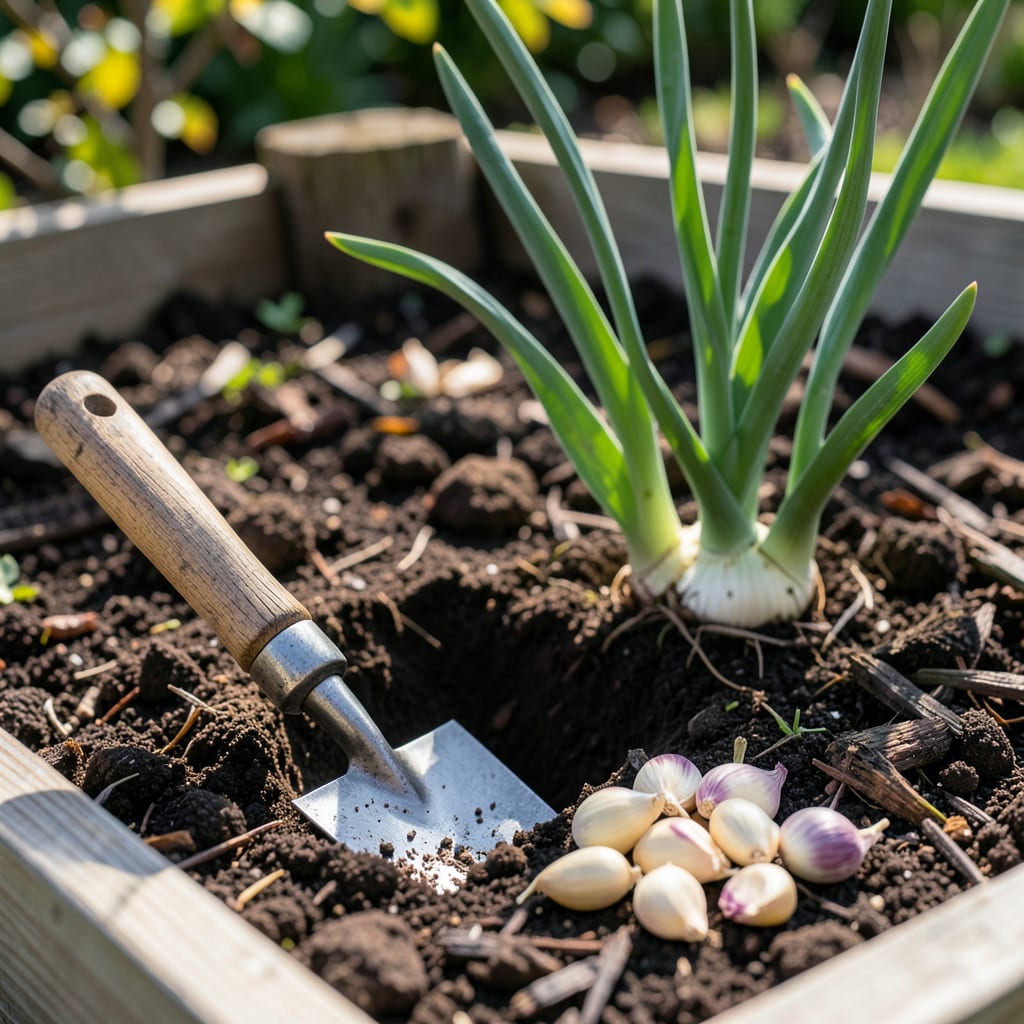
Timing is everything when it comes to growing bigger, bolder garlic bulbs in Zone 7b. Plant too early, and you risk early sprouting; plant too late, and your cloves won’t establish roots before winter. The sweet spot? A precise fall window that sets your 🧄 up for success.
After years of testing, I’ve found that October to November gives garlic the perfect head start in our 7b climate. Let me walk you through exactly when to plant—and why this timing makes all the difference for your harvest next summer.
If you want plump, flavorful garlic bulbs next summer, your planting window in Zone 7b is non-negotiable. The magic happens between mid-October and early November, when soil temps hover around 50-60°F—perfect for root growth without top sprouting.
I’ve tested this timing year after year, and cloves planted in this window develop strong root systems before winter dormancy. Miss it, and you’ll either get weak plants or premature shoots that winterkill. Trust me, your future self will thank you for sticking to this schedule.
| Stage | Action | Timing |
|---|---|---|
| Soil Prep | Loosen soil, add compost | Early October |
| Clove Selection | Separate bulbs, pick largest cloves | Mid-October |
| Planting | 2″ deep, 6″ apart, pointy-end up | Late October to early November |
| Mulching | 4-6″ straw or leaves | After planting |
Zone 7b’s first frost date (around October 15) is your cue to start planting. Aim for 4-6 weeks before ground freezes—this gives roots time to establish but prevents green shoots from emerging before winter. I’ve seen gardeners lose entire crops by planting too early in September.
Soil temperature is your secret weapon. Use a soil thermometer to check: 50°F is ideal for root initiation. If your soil’s warmer than 60°F, hold off. Too cold below 40°F, and roots stall. In Zone 7b, this sweet spot typically lands between October 20 and November 10.
Here’s my pro tip: Plant hardneck varieties like ‘German White’ first—they need extra time to vernalize. Save softnecks (like ‘Silverskin’) for late October. This staggering ensures both types mature perfectly by June harvest. 🌱
If you’re running late, don’t panic—you can push planting into early December if winters are mild. Just add extra mulch (8+ inches) and cross your fingers for a warm spell. I’ve salvaged crops this way, but yields were smaller.
Remember, garlic is a long-game crop. What you do in fall determines your summer harvest size. Skimp on prep now, and you’ll be staring at sad, single-clove bulbs come July. Take the time to plant right, and you’ll be gifting garlic to neighbors next year.
Still unsure? Watch your local weather forecasts for soil temp drops. When nighttime lows consistently hit 40°F, it’s go time. That’s usually our signal in Zone 7b to get those cloves in the ground.
One final trick: Plant a few cloves 1 week apart in late October/early November. This hedges your bets against weird weather and extends your harvest window. It’s how I ensure garlic on my table from June through August. ✂️
Choosing between softneck and hardneck garlic in Zone 7b isn’t just about flavor—it’s about survival. Our mild winters and hot summers demand varieties that can handle temperature swings while still producing those coveted big bulbs.
I’ve grown both types for years, and here’s the truth: hardnecks like ‘German White’ thrive with our cold snaps, while softnecks like ‘Silverskin’ laugh at our summer heat. The right choice depends on your priorities—storage life, flavor complexity, or sheer bulb size.
| Type | Best Varieties | Cold Hardiness | Flavor | Storage |
|---|---|---|---|---|
| Hardneck | German White, Chesnok Red | ❄️❄️❄️❄️ | Bold, complex | 3-5 months |
| Softneck | Silverskin, Artichoke | ❄️❄️ | Milder, versatile | 6-12 months |
| Elephant | Russian Giant | ❄️❄️❄️ | Mild, sweet | 3 months |
For Zone 7b gardeners, I recommend planting hardnecks first (early October) since they need 6 weeks of chilling to form bulbs. Their taller scapes (edible flower stalks) are a bonus harvest in late spring. Softnecks can wait until late October—they’re more forgiving.
Here’s my planting depth trick: Hardnecks go 3 inches deep (extra insulation), while softnecks only need 2 inches. Spacing matters too—give hardnecks 8 inches between cloves, but softnecks can squeeze into 6 inches apart.
If you love braiding garlic, softnecks are your only option—their pliable stems make perfect kitchen decorations. But if you’re after gourmet flavor, hardnecks like ‘Chesnok Red’ will ruin store-bought garlic for you forever. I grow both to cover all my bases.
Pro tip: Plant a few ‘Music’ hardneck cloves—they’re Zone 7b superstars that consistently produce 2-inch bulbs even in wonky weather. And if you’re short on space, ‘Silverskin’ softnecks can thrive in containers with proper drainage. 🪴
Remember, variety matters more than you think. That $8 garlic bulb from the farmers market might seem pricey, but it could yield 50 cloves next year. I’ve found that investing in locally adapted varieties pays off exponentially in our Zone 7b climate.
Even experienced gardeners can sabotage their garlic crop with simple oversights. In Zone 7b, where our mild winters and unpredictable thaws create unique challenges, these three mistakes consistently reduce bulb size—or worse, wipe out entire plantings.
I learned these lessons the hard way, watching perfect-looking cloves fail to thrive. The good news? Every one of these errors has an easy fix if you know what to watch for. Let’s dive into the most common pitfalls and how to sidestep them for bigger, healthier garlic next summer.
The #1 killer of Zone 7b garlic is improper planting depth. I see gardeners bury cloves too shallow (risking freeze damage) or too deep (delaying emergence). The sweet spot? 2 inches deep for softnecks, 3 inches for hardnecks—measured to the clove’s shoulder, not its tip.
Another silent yield-robber is compacted soil. Garlic roots need to expand easily to form large bulbs. Before planting, I double-dig my beds, mixing in 2 inches of compost and a handful of sand for drainage. This simple step consistently gives me bulbs 30% larger than neighbors who skip it.
Here’s a visual test I use every spring: Healthy garlic shows thick, upright leaves by March. Struggling plants have yellowing tips or stunted growth—clear signs of winter damage or poor root development. If you spot these, side-dress with compost tea immediately to boost recovery. ✂️
Planting before mid-October risks premature sprouting when warm soil triggers top growth. These early shoots often get zapped by our first frost around October 15, weakening the plant. I’ve seen entire beds stunted by early planting—wait for soil temps below 60°F.
You can, but expect smaller bulbs with less flavor. Spring-planted garlic misses the critical vernalization period (cold exposure) needed for bulb formation. If you must, plant softneck varieties by March 1 and use extra fertilizer to compensate.
Check for green shoots emerging in late February—this is normal! Gently brush away mulch to inspect. Healthy cloves will have firm white roots. If you find mushy cloves or no growth by March 15, it’s time to replant.
Straw is my top choice—it insulates without compacting and allows shoots to push through easily. Apply 4-6 inches after planting, then add 2 more inches after hard freezes. Avoid leaves (they mat down) or grass clippings (they get slimy).
This usually signals overwatering or nutrient deficiency. Check soil moisture—it should be damp but not soggy. Side-dress with compost tea or 5-10-10 fertilizer if leaves look pale. Yellowing bottom leaves in June is normal—it means harvest time is near!
