
Beautiful Plants For Your Interior
Beautiful Plants For Your Interior
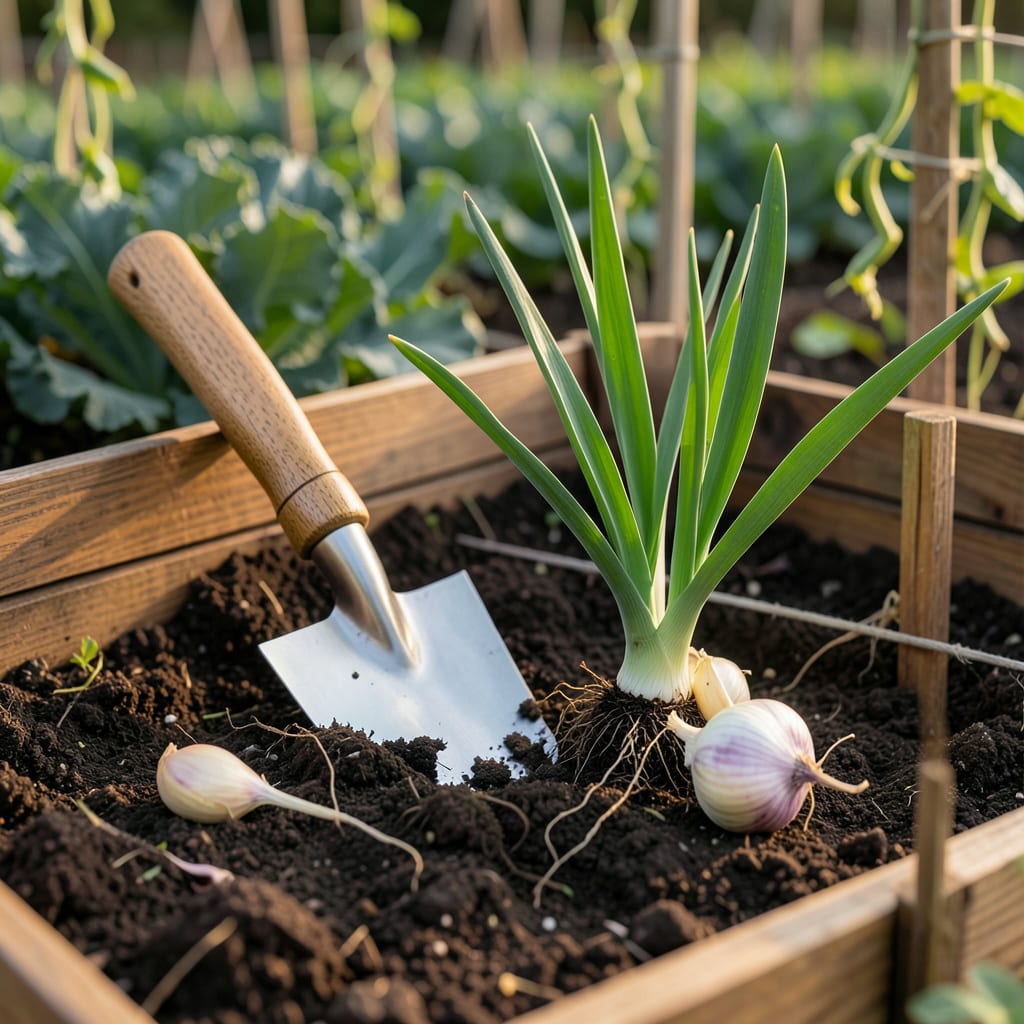
If you’ve ever pulled up puny garlic bulbs after months of waiting, you know timing is everything—especially in Zone 7. Plant too early, and your 🧄 might sprout before winter; plant too late, and roots won’t establish properly.
After testing different windows, I’ve nailed the sweet spot for bigger, healthier bulbs. Whether you’re prepping for fall or considering spring, I’ll show you exactly when to get those cloves in the ground for a harvest that’ll impress even your toughest foodie friends.
If you’re growing garlic in USDA Zone 7, fall planting is your golden ticket to bigger, healthier bulbs. The secret? Timing it just right—before the ground freezes but after summer’s heat fades. I’ve found the sweet spot is mid-October to early November for most of Zone 7.
Why fall? Garlic needs cold stratification (a fancy term for winter chilling) to split into plump cloves. Plant too early, and warm soil triggers premature sprouting. Plant too late, and roots won’t establish before winter. Aim for 4-6 weeks before your first frost—that’s usually around November 1 in Zone 7.
| Stage | Action | Zone 7 Dates |
|---|---|---|
| Soil Prep | Loosen soil, add compost | Early October |
| Plant Cloves | 2″ deep, 6″ apart, pointy end up | Mid-Oct to Early Nov |
| Mulch | 4-6″ of straw or leaves | Late November |
| Spring Growth | Remove mulch, fertilize lightly | Early March |
| Harvest | When lower leaves brown | Late May – Early July |
For Zone 7a (colder winters), lean toward early November planting. In Zone 7b (milder), late October works well. The goal? Soil temps between 50-60°F at planting. Use a soil thermometer—it’s a game-changer for precision.
What if you miss the window? Early September plantings may sprout too soon, risking winter die-off. December plantings often yield smaller bulbs since roots struggle to establish. If you’re late, prioritize mulching heavily (8+ inches) to insulate the soil.
Pro tip: Hardneck varieties like ‘German White’ or ‘Chesnok Red’ thrive in Zone 7’s winters. They handle cold better and produce larger cloves. Softnecks (e.g., ‘Silverskin’) are better for spring planting or milder microclimates.
After planting, water deeply once to settle the soil, then hold off until spring. Too much moisture in fall can rot cloves. Come March, you’ll see green shoots—that’s your cue to resume watering and add a balanced fertilizer (think 10-10-10).
Watch for weed competition in early spring. Garlic hates sharing nutrients! A 2-3 inch layer of mulch (straw or shredded leaves) keeps weeds down and retains moisture. Avoid hay—it often contains weed seeds that’ll haunt you later.
By late May, your garlic will signal harvest time: lower leaves brown, while upper leaves stay green. Dig carefully with a fork to avoid bruising bulbs. Cure in a shady, breezy spot for 2-3 weeks before storing. Proper curing = longer shelf life!
Still unsure? Here’s my foolproof test: Stick a clove in the fridge for 6 weeks before planting. If it sprouts, your soil’s too warm—wait another week or two. This mimics winter chilling and ensures your garlic won’t bolt prematurely.
Remember, garlic is a long-term investment. The patience you put into fall planting pays off come summer with plump, flavorful bulbs that’ll make your garden the envy of the neighborhood. Now grab those cloves and get planting! 🌱
I’ll be honest—fall planting is the gold standard for garlic in Zone 7, but spring isn’t a lost cause. If you missed the fall window, you can still grow garlic by planting in early March to early April. The trade-off? You’ll likely get smaller bulbs unless you prep properly.
The biggest challenge with spring planting is lack of cold stratification. Garlic needs 6-8 weeks of chilling (below 40°F) to form bulbs. Without it, you’ll end up with single-clove “rounds” instead of divided bulbs. My workaround? Pre-chill cloves in the fridge for 6-8 weeks before planting.
For best results, choose softneck varieties like ‘California Early’ or ‘Inchelium Red’. They’re more forgiving with spring planting. Plant cloves 1 inch deep (shallower than fall) and 4 inches apart to compensate for faster growth. Water weekly—spring garlic dries out faster than fall-planted.
Here’s my spring garlic hack: Soak cloves in compost tea for 12 hours before planting. This gives them a nutrient boost to compensate for the shorter growing season. Add a low-nitrogen fertilizer (5-10-10) at planting, then again when shoots reach 6 inches tall.
Watch for bolting (premature flowering) in spring-planted garlic. If you see flower stalks (scapes), snip them immediately to redirect energy to bulb formation. Spring garlic matures faster—expect harvest in late July instead of June. The bulbs won’t store as long, so use them within 2-3 months.
Is spring planting worth it? If you’re okay with smaller bulbs and don’t mind extra babysitting, absolutely. I’ve had decent success with ‘Lorz Italian’ (a hardneck that tolerates spring planting). Just adjust expectations—think of it as a bonus crop rather than your main harvest. For serious garlic growers, stick to fall planting for those jumbo bulbs we all dream of! 🌱
Even experienced gardeners can sabotage their garlic crop with simple oversights. In Zone 7, where timing and conditions are finicky, these three mistakes can mean the difference between jumbo bulbs and disappointing “rounds.” Let’s fix them before you even put a clove in the ground.
First up: planting grocery store garlic. Those pretty bulbs from the supermarket are often treated with sprouting inhibitors or carry diseases like white rot. I learned this the hard way when my entire first crop rotted in the ground. Always source from reputable seed garlic suppliers—it’s worth the extra cost.
Next is the mulch misstep. I’ve seen gardeners skip mulch entirely or use the wrong type. In Zone 7, straw or shredded leaves are non-negotiable—they insulate soil, preventing freeze-thaw cycles that heave cloves upward. Apply 4-6 inches after planting, then add more in late November if temps drop below 20°F.
Finally, spacing sabotage. Planting cloves too close is the #1 reason for tiny bulbs. Each clove needs 6 inches of space in all directions to expand. I use a planting template (a board with holes drilled 6″ apart) to keep my rows uniform. For rows, leave 12 inches between them for easy weeding and airflow.
Bonus blunder: Overwatering after planting. Garlic needs moist but not soggy soil in fall. Water once deeply after planting, then let nature take over until spring. Too much water = rotten cloves. In spring, aim for 1 inch per week, tapering off as harvest nears.
Remember, garlic is a low-maintenance crop—if you avoid these pitfalls. Test your soil pH (aim for 6.0-7.0), plant at the right depth (2 inches), and resist the urge to fuss. Come July, you’ll be pulling up plump, paper-wrapped bulbs that’ll make your garden famous. Now go plant with confidence! 🌱
Planting before mid-October risks premature sprouting when soil is still warm. These tender shoots can’t handle winter freezes, leading to stunted growth or die-off. Aim for soil temps below 60°F to prevent this issue.
Avoid it! Store-bought garlic is often treated to prevent sprouting and may carry diseases like white rot. Always use seed garlic from reputable suppliers for healthy, disease-free crops. Investing in quality cloves pays off at harvest.
Plant cloves 2 inches deep, pointy end up, with 6 inches between each. This depth protects from winter heaving while allowing roots to establish. Deeper planting in sandy soil helps retain moisture.
Straw or shredded leaves (4-6 inches thick) work best in Zone 7. They insulate soil, prevent freeze-thaw cycles, and suppress weeds. Avoid hay—it often contains weed seeds that’ll sprout in spring.
Reduce watering 2-3 weeks before harvest (late June in Zone 7). This helps bulbs cure properly in the ground. Overwatering late in the season leads to moldy wrappers and poor storage life.
