
Beautiful Plants For Your Interior
Beautiful Plants For Your Interior
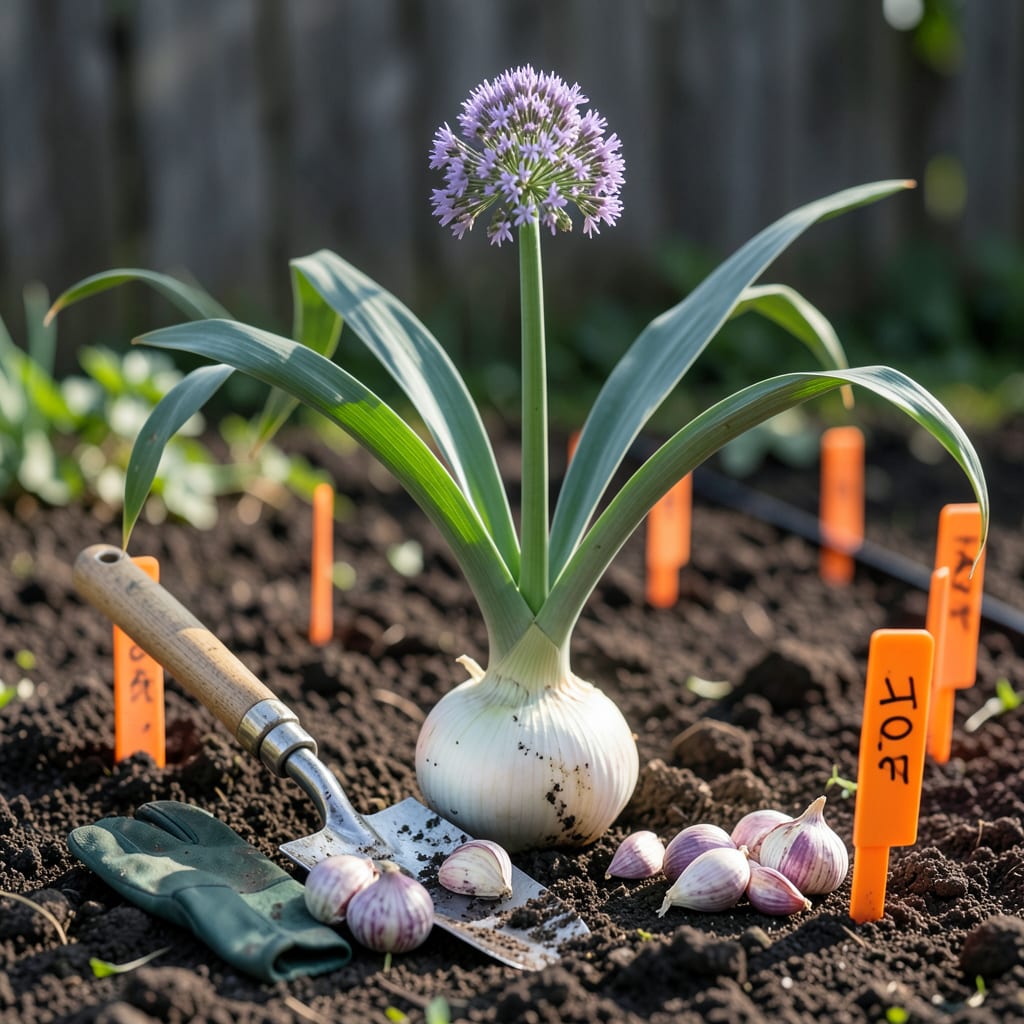
Timing your garlic planting in Zone 6B isn’t just about picking a date—it’s about setting the stage for next summer’s harvest. Plant too late, and your 🧄 cloves won’t establish roots before winter. Plant too early, and you risk premature sprouting that weakens the bulbs.
After years of testing, I’ve nailed the perfect window for robust, flavorful garlic. Whether you’re growing hardneck or softneck varieties, I’ll show you exactly when to get those cloves in the ground—and why October to November is your golden opportunity. Let’s dig in.
If you’re growing garlic in Zone 6B, timing your planting is the secret to bigger bulbs and a healthier harvest. The sweet spot is mid-October to early November, when soil temps hover between 50-60°F. This gives cloves enough time to root deeply before winter dormancy.
Why fall? Planting in autumn allows garlic to develop a strong root system before the ground freezes. In Zone 6B, where the first frost typically hits around October 15, you’ll want to get cloves in the ground 4-6 weeks beforehand. This ensures they’re established but not sprouting too early.
Spring planting is possible, but it’s a gamble in Zone 6B. Garlic needs vernalization (a cold period) to form bulbs properly. Without it, you’ll likely end up with small, underdeveloped cloves. If you must plant in spring, choose softneck varieties like ‘Silverskin’ and get them in as early as March.
Microclimates matter! If your garden is in a low-lying area or near a south-facing wall, soil may stay warmer longer. Adjust your planting date by 1-2 weeks if needed. Use a soil thermometer to check temps—don’t rely on air temperature alone.
For hardneck varieties like ‘German White’ or ‘Music’, fall planting is non-negotiable. These types thrive in cold winters and produce larger cloves and flavorful scapes. Softnecks (e.g., ‘California Early’) are more forgiving but still benefit from fall planting in Zone 6B.
Here’s a pro tip: Soak cloves in a 1:10 bleach-water solution for 30 minutes before planting to prevent fungal diseases. This is especially important in Zone 6B’s humid falls and wet springs. Dry them thoroughly before tucking them into the soil.
After planting, cover beds with 4-6 inches of straw mulch. This insulates the soil, preventing heaving (where cloves get pushed out of the ground by freeze-thaw cycles). Avoid hay—it often contains weed seeds that’ll sprout come spring.
If you’re planting in raised beds, watch for soil drying out faster in late fall. Water lightly after planting, then hold off until spring unless you’re in a drought. Overwatering now can lead to rot—garlic hates soggy feet!
Mark your calendar for harvest time—around late June to early July in Zone 6B. You’ll know it’s ready when the lower leaves turn brown but 5-6 green leaves remain. Dig carefully with a fork to avoid bruising the bulbs.
By nailing the fall planting window, you’re setting yourself up for plump, pungent garlic that’ll make your garden the envy of the neighborhood. Trust me, your future self will thank you when you’re pulling up jumbo bulbs next summer! 🌱
Now that you know when to plant, let’s tackle the how-to for Zone 6B success. Proper planting isn’t just about timing—it’s about giving your garlic the best start with the right soil, spacing, and care. I’ll walk you through each step, from clove selection to mulching, so you avoid common pitfalls.
Start with healthy seed garlic—never use grocery store cloves, as they’re often treated to prevent sprouting. Look for firm, plump cloves from a reputable supplier. In Zone 6B, I recommend hardneck varieties like ‘German White’ or ‘Music’ for their cold hardiness and bold flavor. Softnecks like ‘Silverskin’ work too but may need extra winter protection.
Soil prep is critical in Zone 6B. Garlic thrives in well-draining, fertile soil. If your garden has clay soil, amend it with compost and sand to improve drainage. A raised bed is ideal if your soil stays soggy. Test your soil’s pH—garlic prefers 6.0-7.0. Too acidic? Add lime; too alkaline? Mix in sulfur.
Here’s a Zone 6B-specific tip: Don’t skip the mulch. Our winters can be unpredictable, with freeze-thaw cycles that heave cloves out of the ground. A thick layer of straw or shredded leaves (not hay!) keeps soil temps steady. Avoid plastic mulch—it traps too much moisture, leading to rot.
Watering is minimal after planting—just moisten the soil to settle cloves. Overwatering now can cause root rot. Come spring, resume watering when new shoots emerge, giving about 1 inch per week. Reduce watering as harvest nears to prevent moldy bulbs.
If you’re planting in containers, choose pots at least 8″ deep with drainage holes. Use a lightweight potting mix amended with compost. Container-grown garlic needs more frequent watering but the same fall planting window as in-ground crops. Move pots to a sheltered spot in winter to protect roots from extreme cold.
Finally, label your rows! It’s easy to forget where you planted garlic, especially if mulch hides the beds. Use weatherproof markers or popsicle sticks. Come spring, you’ll be glad you did when those green shoots start pushing through the mulch. Now, sit back and let winter do its magic—your garlic is on its way to a bountiful harvest! 🪴
Not all garlic thrives equally in Zone 6B. Choosing the right variety can mean the difference between puny cloves and monster bulbs. I’ve tested dozens over the years, and these are the top performers for our climate’s cold winters and humid summers.
Hardneck varieties like ‘German White’ and ‘Music’ are my go-tos for Zone 6B. They handle our freezing temps like champs and produce flavorful scapes in early summer. Softnecks like ‘Silverskin’ store longer but may need extra mulch to survive harsh winters.
‘German White’ is my top pick for Zone 6B beginners. It’s disease-resistant and consistently produces large, easy-to-peel cloves. For long-term storage, ‘Silverskin’ can’t be beat—just plant it 1-2 weeks earlier than hardnecks to compensate for its lower cold tolerance.
If you love garlic scapes, hardnecks are your only option. These curly green shoots appear in late spring and should be harvested promptly to redirect energy to bulb growth. Softnecks don’t produce scapes, making them lower-maintenance but less visually interesting in the garden.
For container gardening in Zone 6B, I recommend ‘Chesnok Red’. Its compact growth habit suits pots, and its sweet flavor when roasted is unmatched. Just ensure containers are at least 8” deep and move them to a sheltered spot during deep freezes.
Remember: Variety selection impacts planting timing. Hardnecks need those cold weeks to develop properly, so stick to the October-November window. Softnecks are more flexible but benefit from early fall planting to maximize bulb size before summer heat.
Pro tip: Save your biggest, healthiest bulbs from each harvest to replant. Over time, you’ll develop a Zone 6B-adapted strain that outperforms store-bought seed garlic. Just be sure to cure bulbs properly before storing to prevent mold. 🌱
Planting after early November risks poor root development before winter. Cloves need 4-6 weeks to establish roots before the ground freezes. Late planting often results in smaller bulbs or no harvest at all.
If you miss the window, try pre-sprouting cloves indoors. Place them in damp paper towels for 2-3 weeks before planting. This gives them a head start, though yields may still be reduced.
Spring planting is possible but not ideal in Zone 6B. Garlic needs vernalization (cold exposure) to form proper bulbs. Without it, you’ll likely get small, underdeveloped cloves.
If spring is your only option, choose softneck varieties like ‘Silverskin’ and plant as early as March. Expect 50% smaller bulbs compared to fall-planted garlic.
Apply 4-6 inches of straw mulch immediately after planting. This insulates soil and prevents heaving, where cloves get pushed out of the ground by alternating freeze-thaw cycles.
Avoid hay—it often contains weed seeds. In raised beds, consider adding leaf mold or shredded leaves as extra protection. Remove mulch gradually in spring as shoots emerge.
Hardneck varieties like ‘German White’ and ‘Music’ excel in our climate. They’re cold-hardy and produce large cloves with excellent flavor. For beginners, ‘German White’ is particularly forgiving.
For long-term storage, try ‘Silverskin’ (softneck). Plant it 1-2 weeks earlier than hardnecks since it’s less cold-tolerant. Container gardeners should consider ‘Chesnok Red’ for its compact growth.
Plant cloves 2-3 inches deep, with the pointy end up. This depth protects them from winter cold while allowing easy spring emergence. In sandy soil, plant at the deeper end (3 inches).
Space cloves 6 inches apart in rows 12 inches apart. Crowding reduces bulb size, so don’t skimp on spacing! Use a ruler for precision if needed.
