
Beautiful Plants For Your Interior
Beautiful Plants For Your Interior
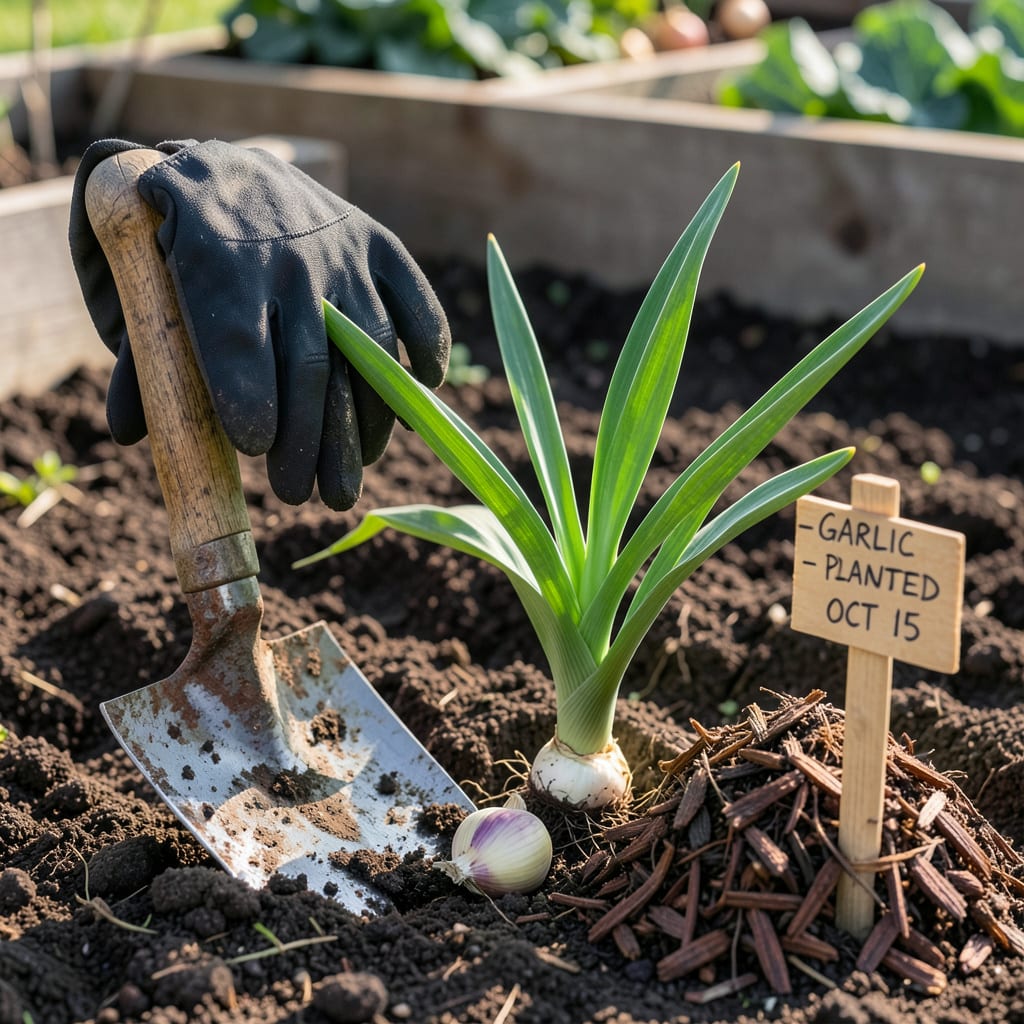
Imagine pulling up monster garlic bulbs next summer—plump, flavorful, and twice the size of what you’ve grown before. The secret? It all starts with nailing the planting window in Utah’s finicky climate.
I’ve seen gardeners struggle with puny cloves or frost-damaged crops simply because they planted too early or too late. But here’s the good news: with Utah’s fall planting sweet spot (and a few local tricks), you can set yourself up for a bumper harvest. Let’s break down exactly when and how to get your 🧄 in the ground for success.
If you want giant garlic bulbs next summer, timing your planting with Utah’s unpredictable climate is key. The ideal window falls between mid-October and early November for most regions, but elevation and microclimates can shift this by weeks. Let’s break it down by area.
In Northern Utah (Zones 4-6), aim for October 1-20 to give roots time to establish before the ground freezes. Southern Utah (Zones 7-9) can push planting to late October through November, thanks to milder winters. The goal? 4-6 weeks of root growth before the first hard frost.
| Region | USDA Zones | Ideal Planting Window | First Frost Date | Soil Prep Tip |
|---|---|---|---|---|
| Northern Utah | 4-6 | Oct 1–20 | Oct 15 | Add compost for drainage |
| Central Utah | 5-7 | Oct 15–Nov 1 | Oct 25 | Mulch heavily after planting |
| Southern Utah | 7-9 | Nov 1–15 | Nov 10 | Water deeply after planting |
In Salt Lake City (Zone 6-7), I’ve found October 10-25 works best—early enough for roots but late enough to avoid premature sprouting. For St. George (Zone 9), you can push planting to early December if winters stay mild.
Soil temperature matters too. Aim for 50–60°F at planting depth (about 2 inches). Too warm, and cloves may sprout too soon; too cold, and roots won’t establish. Use a soil thermometer if you’re unsure—it’s a game-changer in Utah’s variable climate.
For high-elevation areas (like Park City or Logan), adjust earlier by 7–10 days. Frost comes sooner, and shorter growing seasons mean every day counts. If you’re above 6,000 feet, consider planting in late September for extra root growth time.
Don’t forget soil prep! Utah’s clay-heavy soils need amending. Mix in 2–3 inches of compost and a handful of sand or perlite per square foot to improve drainage. Garlic hates wet feet, especially in our winter freeze-thaw cycles.
After planting, cover beds with 4–6 inches of straw mulch. This insulates soil, prevents heaving, and retains moisture—critical in Utah’s arid winters. Remove mulch in early spring when shoots emerge, but keep it handy for late frosts.
If you miss the fall window, spring planting is possible (March–April), but expect smaller bulbs. Spring-planted garlic lacks the vernalization period (cold exposure) needed for bulb development. It’s better than nothing, but fall is always best.
For garlic varieties, hardnecks like ‘German White’ or ‘Music’ thrive in northern Utah’s cold, while softnecks like ‘Silverskin’ suit southern regions. Plant cloves 2 inches deep, 6 inches apart, and you’ll be pulling up prize-winning bulbs by next July.
Pro tip: Mark your planting date on a calendar. Next year, you’ll know exactly when to start based on your local frost trends. Utah’s weather varies wildly—what works in Ogden might not in Moab, so keep records! 🌱
Even experienced gardeners can sabotage their garlic crop with simple oversights. I’ve seen three common mistakes that consistently lead to weak plants or tiny bulbs. The good news? They’re all easy to fix with a little planning and Utah-specific know-how.
First up: planting too late. When garlic cloves go into cold soil without enough time to root, they’ll struggle to establish before winter. In Utah, this often happens when gardeners wait until after mid-November—by then, the ground may already be freezing at night.
The second blunder is using grocery-store garlic. Those bulbs are often treated with growth inhibitors to prevent sprouting on shelves. Even if they grow, they’re more prone to disease and produce smaller, weaker bulbs. Always source seed garlic from a nursery.
Third, ignoring soil prep is a recipe for disaster in Utah. Our native clay soil compacts easily, suffocating garlic roots and trapping moisture. The fix? Work in 2-3 inches of compost and a handful of perlite or sand per square foot. This mimics the loose, well-draining soil garlic loves.
Another Utah-specific issue is overwatering after planting. While garlic needs moisture to root, soggy soil in fall can rot cloves before winter. Water deeply once after planting, then let nature take over until spring. Our dry winters usually provide enough ambient moisture.
Finally, don’t forget mulch—but use the right kind! Straw is ideal (4-6 inches deep) because it insulates without compacting. Avoid leaves or grass clippings, which can mat down and smother shoots. Come spring, pull back mulch when green tips emerge to prevent mold.
If you’ve made these mistakes before, don’t worry—next year’s crop can still thrive. Start fresh with October planting, proper soil amending, and seed garlic, and you’ll be rewarded with your biggest bulbs yet come July. 🌱
Choosing between hardneck and softneck garlic can make or break your Utah harvest. Our state’s diverse climates—from freezing northern winters to southern Utah’s mild desert conditions—demand the right match. Let me walk you through which types thrive where, and why.
In Northern Utah (Zones 4-6), hardneck varieties like ‘German White’ or ‘Music’ are the clear winners. They handle sub-zero temps and produce those coveted garlic scapes in early summer. Their bold, complex flavors make them a favorite for gardeners who love cooking with fresh garlic.
For Southern Utah (Zones 7-9), softneck varieties like ‘Silverskin’ or ‘Artichoke’ are ideal. They tolerate heat and drought better and store longer—perfect for St. George’s warmer winters. Their milder flavor works well in dishes where you don’t want garlic to overpower.
If you’re in Central Utah (Zones 5-7), you can experiment with both! Try planting hardnecks in fall for early harvests and softnecks in late winter for a extended season. Just remember: hardnecks need vernalization (6+ weeks below 40°F), so they’re fall-only.
For planting depth, both types need 2 inches of soil over the clove, but spacing differs. Hardnecks appreciate 8 inches apart (they’re bigger!), while softnecks can squeeze into 6-inch spacing. In Utah’s arid soil, I add a handful of compost to each hole for extra nutrients.
No matter which you choose, mulching is non-negotiable in Utah. A 4-inch straw layer protects cloves from our freeze-thaw cycles and retains moisture. Come spring, you’ll be rewarded with robust plants—and by July, bulbs so big they’ll impress your neighbors! 🌿
Planting before October can cause premature sprouting. Warm soil triggers top growth instead of root development, leaving plants vulnerable to winter kill. In Utah’s climate, early shoots may also freeze during unexpected cold snaps.
It’s risky! Store-bought garlic is often treated to prevent sprouting and may carry diseases. For best results, use certified seed garlic from a nursery. It’s bred for vigor and adapted to local growing conditions.
Plant cloves 2 inches deep with the pointed end up. In Utah’s clay-heavy soil, this depth protects them from freeze-thaw cycles while allowing roots to establish. Add 1 inch of mulch after planting for extra insulation.
Straw is ideal—it insulates without compacting. Apply 4–6 inches after planting to protect cloves from Utah’s temperature swings. Avoid leaves or grass clippings, which can mat down and suffocate emerging shoots in spring.
Yes, but expect smaller bulbs. Spring-planted garlic lacks the cold period needed for optimal bulb formation. In Utah, March–April is the latest window, but fall planting always yields better results.
