
Beautiful Plants For Your Interior
Beautiful Plants For Your Interior
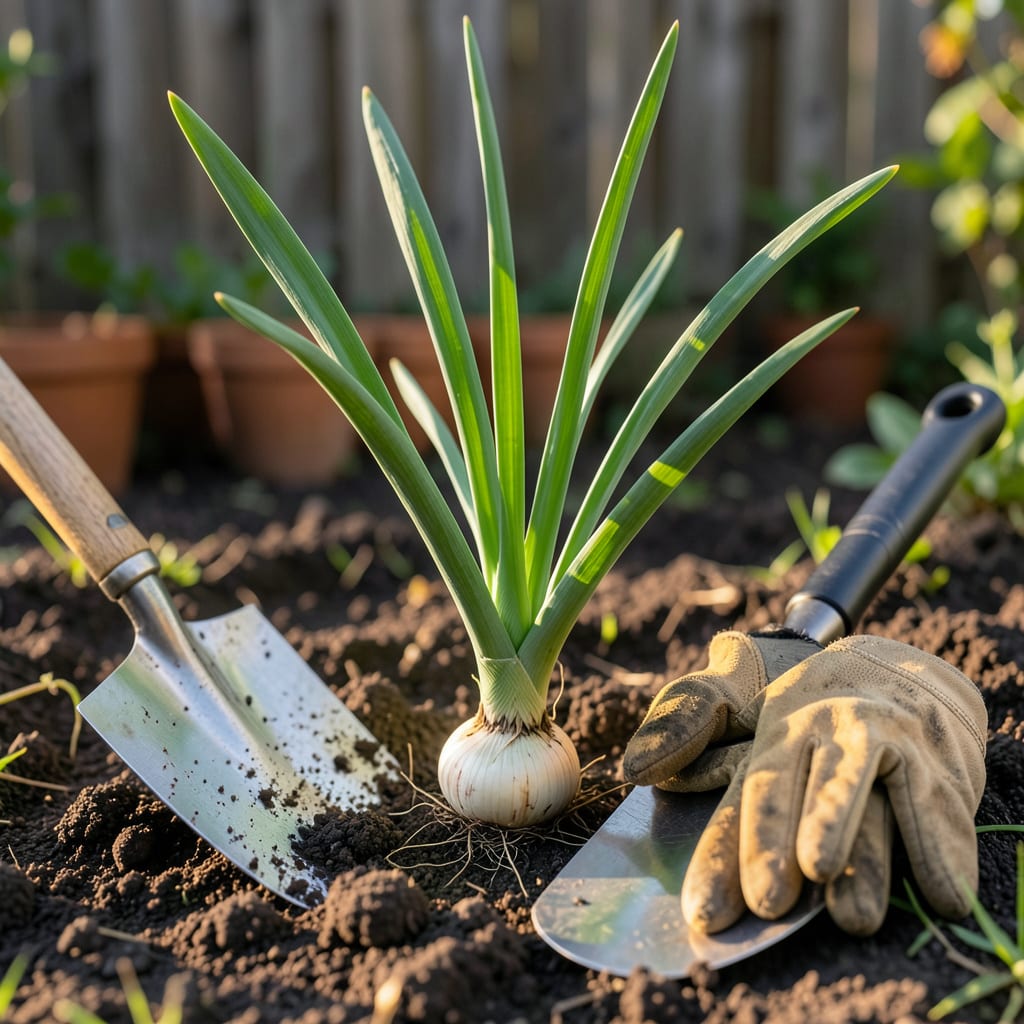
If you’ve ever pulled up sad, undersized garlic bulbs instead of those plump, flavor-packed heads you dreamed of, timing might be your missing piece. In Southern California’s mild but tricky climate, nailing the planting window is what separates a lackluster harvest from one that’ll make your neighbors jealous.
Skip the guesswork—I’ll break down the exact months to plant 🧄 for maximum yield, plus the soil prep and variety tweaks that make all the difference. Whether you’re gardening in foggy coastal spots or sunbaked inland valleys, you’ll walk away knowing precisely when to get those cloves in the ground.
Southern California’s mild winters and warm summers create a unique garlic-planting window. Unlike colder regions, we don’t need to rush before a hard frost. Instead, we focus on soil temperature and daylight hours to trigger bulb formation.
For most of SoCal (USDA zones 9–11), the sweet spot is November through December. Coastal gardeners can push into early January, while inland areas with hotter summers should aim for October–November to avoid premature sprouting.
| Garlic Type | Ideal Planting Months | Best For | Harvest Time |
|---|---|---|---|
| Softneck (e.g., Silverskin) | Nov–Dec | Coastal, warmer areas | May–June |
| Hardneck (e.g., Purple Stripe) | Oct–Nov | Inland, cooler microclimates | Late May |
| Elephant Garlic | Dec–Jan | All regions (needs more space) | June–July |
Coastal gardeners in San Diego or LA can lean on softneck varieties like ‘California Early’—they thrive in warmer winters and store longer. Inland areas like Riverside or San Bernardino should opt for hardnecks (e.g., ‘German White’) for better cold tolerance.
Pro tip: Use a soil thermometer to confirm temps are 50–60°F at planting depth (2 inches). If your soil’s warmer, wait or mulch heavily to cool it. Too cold? Cloves may rot before sprouting.
If you miss the fall window, don’t panic! You can plant as late as February in coastal zones, but expect smaller bulbs. For best results, chill cloves in the fridge for 4–6 weeks before planting to mimic winter.
Garlic needs full sun (6+ hours daily) and well-draining soil (amend with compost if your soil is clay-heavy). Space cloves 4–6 inches apart in rows 12 inches apart, pointed end up, 2 inches deep.
Water deeply once a week until sprouts emerge (usually in 2–3 weeks), then reduce to every 10–14 days. Overwatering is the #1 killer of garlic in SoCal—aim for consistent moisture, not soggy soil.
Mulch with straw or shredded leaves to retain moisture and suppress weeds. In hot inland areas, a thicker mulch layer (3–4 inches) helps regulate soil temp. Remove mulch in early spring to warm the soil as bulbs size up.
Watch for yellowing lower leaves in late spring—that’s your cue to stop watering and prepare for harvest! In SoCal, most garlic is ready between May and July, depending on variety and planting time.
For the biggest bulbs, feed lightly with a low-nitrogen fertilizer (like 5-10-10) in early spring and again when scapes appear (for hardnecks). Avoid heavy nitrogen—it promotes leafy growth at the expense of bulb size.
Planting garlic in Southern California isn’t just about timing—it’s about giving those cloves the perfect start. I’ve found that soil prep and planting depth make or break your harvest. Let’s dig into the exact steps to ensure your garlic thrives in our dry, sunny climate.
Start by selecting healthy seed garlic from a nursery (avoid grocery store cloves—they’re often treated to prevent sprouting). Choose plump, firm cloves and separate them from the bulb 24–48 hours before planting. This helps prevent rot while giving the roots a head start.
| Step | Action | SoCal Tip |
|---|---|---|
| 1. Soil Prep | Loosen soil, mix in 2–3 inches of compost | Add perlite or sand if soil is clay-heavy |
| 2. Planting Depth | Place cloves 2 inches deep, pointed end up | Deeper in sandy soil (3 inches) to prevent drying |
| 3. Spacing | 4–6 inches apart in rows 12 inches apart | Wider rows in hot areas for airflow |
| 4. Mulching | Cover with 2–3 inches of straw | Use 4 inches inland to retain moisture |
| 5. Watering | 1 inch per week until sprouts appear | Cut back to every 10–14 days after sprouting |
After planting, water deeply to settle the soil, then hold off until you see green shoots (usually in 2–3 weeks). Overwatering is the #1 mistake I see in SoCal—garlic hates soggy roots! Let the top 1–2 inches of soil dry out between waterings.
Once sprouts emerge, switch to a low-nitrogen fertilizer (like 5-10-10) applied every 6–8 weeks. Hardneck varieties will send up flower scapes in spring—snip these off to redirect energy to bulb growth. Stop fertilizing 4 weeks before harvest to let bulbs mature.
In coastal areas, watch for white rot (a fungal disease favored by damp conditions). Prevent it by rotating crops and avoiding overhead watering. Inland gardeners should guard against thrips—use row covers if you spot silvery streaks on leaves.
Harvest when lower leaves turn brown but 5–6 upper leaves stay green. Use a fork or trowel to gently lift bulbs—never pull by the stems! Cure in a shady, dry spot for 2–3 weeks before storing. Properly cured garlic keeps for 6–12 months in a cool, dark place.
For next season, save your largest, healthiest bulbs for replanting. Over time, you’ll develop garlic perfectly adapted to your microclimate. And remember: the more you grow, the more you’ll learn what works in your specific slice of SoCal! 🌱
Even experienced gardeners can sabotage their garlic crop with simple oversights. In Southern California, our unique climate demands extra attention to detail. Let me walk you through the three most common mistakes I see—and how to sidestep them for a bumper harvest.
First up: planting grocery store garlic. Those cloves are often treated with growth inhibitors to prevent sprouting on shelves. Even if they grow, they’re prone to disease and poor yields. Always source seed garlic from nurseries or reputable online suppliers for the best results.
| Mistake | Why It’s Bad | SoCal Fix |
|---|---|---|
| Store-Bought Cloves | Treated to prevent sprouting; disease-prone | Buy certified seed garlic from nurseries |
| Overwatering | Causes rot in warm SoCal soils | Water deeply every 10–14 days |
| Ignoring Microclimates | Coastal vs. inland timing varies | Adjust planting by 2–4 weeks based on location |
The second blunder is overwatering—a silent killer in our dry but warm climate. Garlic needs consistent moisture, not soggy soil. Too much water leads to rot, especially in clay-heavy soils. Stick to 1 inch per week until sprouts appear, then scale back.
Lastly, many gardeners ignore microclimate differences. A coastal gardener in San Diego can plant later than someone in Riverside. Inland areas heat up faster, so garlic planted too late may struggle. Use a soil thermometer—aim for 50–60°F at planting depth.
Bonus tip: Skipping soil prep is another common error. Garlic thrives in loose, well-draining soil. If your soil is compacted, mix in compost and perlite before planting. This ensures roots can expand easily, leading to larger bulbs.
By avoiding these pitfalls, you’ll set your garlic up for success. Remember, the key to giant, flavorful bulbs is timing, soil, and water management—tailored to your specific SoCal microclimate. Happy planting! 🌱
Coastal regions like San Diego or LA stay cooler longer, so you can plant as late as January. Inland areas (e.g., Riverside) heat up faster, so aim for October–November to avoid premature sprouting.
Yes, but expect smaller bulbs. For spring planting, chill cloves in the fridge for 4–6 weeks first to mimic winter. Coastal gardeners have better luck with late plantings than inland areas.
Watch for yellowing lower leaves while upper leaves stay green. Bulbs should feel firm, and skins turn papery. In SoCal, this typically happens between May and July, depending on variety.
This usually stems from overcrowding, poor soil, or inconsistent watering. Space cloves 4–6 inches apart, amend soil with compost, and water deeply every 10–14 days.
Use a low-nitrogen fertilizer (like 5-10-10) in early spring and again when scapes appear. Avoid heavy feeding—it promotes leafy growth over bulb development. Stop fertilizing 4 weeks before harvest.
