
Beautiful Plants For Your Interior
Beautiful Plants For Your Interior
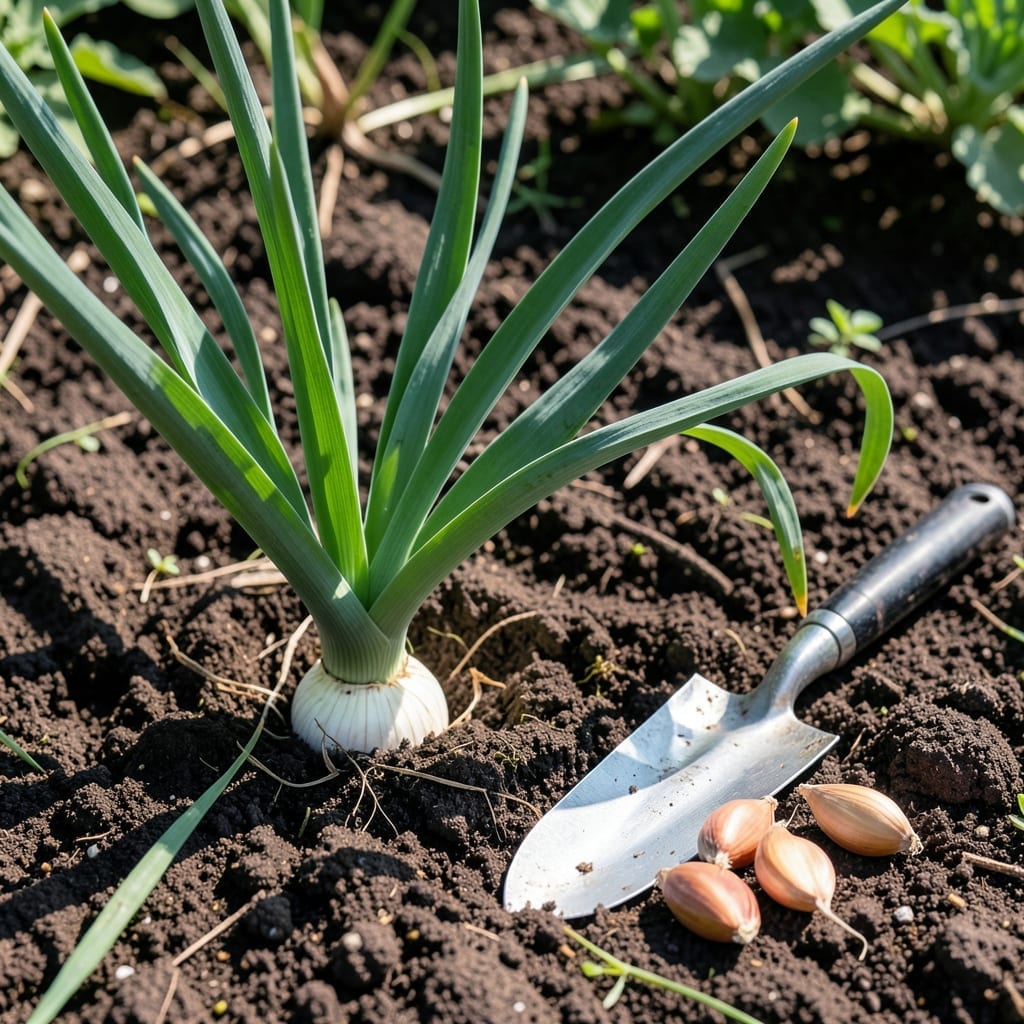
Timing is everything when growing big, bold garlic in South Louisiana. Our warm climate and long growing season create the perfect environment for this flavorful crop.
But plant at the wrong time, and you’ll end up with small, underwhelming bulbs. The key is working with our unique Zone 8b conditions, not against them.
I’ve tested different planting windows in my own garden, and what I’m about to share will save you from common mistakes. Whether you’re new to gardening or a seasoned pro, these timing tips are game-changers.
Let me show you exactly when to get that 🧄 in the ground for the best possible harvest next spring.
South Louisiana’s Zone 8b climate gives us a unique advantage for garlic growing. Unlike colder regions, we can plant later in the year and still get fantastic results. The key is timing it right before winter sets in.
Our mild winters mean garlic won’t freeze, but it still needs that cold period to form bulbs properly. I’ve found the sweet spot is when soil temps drop below 60°F but stay above freezing. This usually happens in late fall.
| Planting Factor | South Louisiana Details |
|---|---|
| Ideal Months | October – November |
| Soil Temperature | Below 60°F |
| First Frost Date | Around December 15 |
| USDA Zone | 8b |
| Harvest Window | April – May |
I always aim to get my garlic in the ground by mid-November. This gives the cloves time to establish roots before winter dormancy. Our first frost typically comes around December 15, so planting earlier helps avoid any cold shock.
Early October works too, but you’ll need to watch soil temps. If it’s still too warm, the garlic might sprout prematurely. I use a soil thermometer to check – it’s a game-changer for precise timing.
For the best results, plant when nighttime temps consistently dip into the 50s°F. This triggers the vernalization process that leads to bulb formation. Our long growing season means even December plantings can work, but yields may be smaller.
Remember, garlic needs about 6-8 weeks of cool weather to develop properly. In our climate, this means planting before Christmas is ideal. I’ve had great success with cloves planted in late November that matured beautifully by May.
Our humid summers can be tough on garlic, which is why fall planting is crucial. It allows the crop to mature before the heat and humidity peak. The bulbs form underground during our mild winters and early spring.
If you miss the fall window, don’t panic. You can try planting in early spring, but you’ll likely get smaller bulbs. The cold period is essential for proper bulb development in most varieties.
For South Louisiana gardeners, the October to November window consistently produces the largest, most flavorful bulbs. I’ve tested various timing options, and this range always wins for both size and quality.
Our region’s 270 frost-free days give garlic plenty of time to grow. Just be sure to plant before the first hard frost to give roots time to establish before winter dormancy 🌱
In South Louisiana, I’ve found that soil preparation is half the battle. Start by choosing a well-draining bed with plenty of organic matter worked in. Garlic hates soggy roots, especially in our humid climate.
Select large, healthy cloves from your seed garlic, as these will produce the biggest bulbs. Avoid grocery store garlic, which may be treated to prevent sprouting.
Our mild winters mean you won’t need heavy mulch, but a 2-3 inch layer of straw helps prevent weeds and keeps soil temps stable. I use pine straw, which is abundant here and breaks down slowly.
After planting, water sparingly until sprouts appear—usually in 2-3 weeks. Overwatering in our humid climate can lead to rot, so let the top inch of soil dry between waterings.
Come spring, increase watering as bulbs form, but taper off as harvest approaches. This prevents splitting and encourages tight, flavorful bulbs. I’ve seen this make a huge difference in my garden.
With these steps, you’ll be well on your way to a bumper crop of garlic that’s perfectly adapted to South Louisiana’s unique growing conditions 🌱