
Beautiful Plants For Your Interior
Beautiful Plants For Your Interior
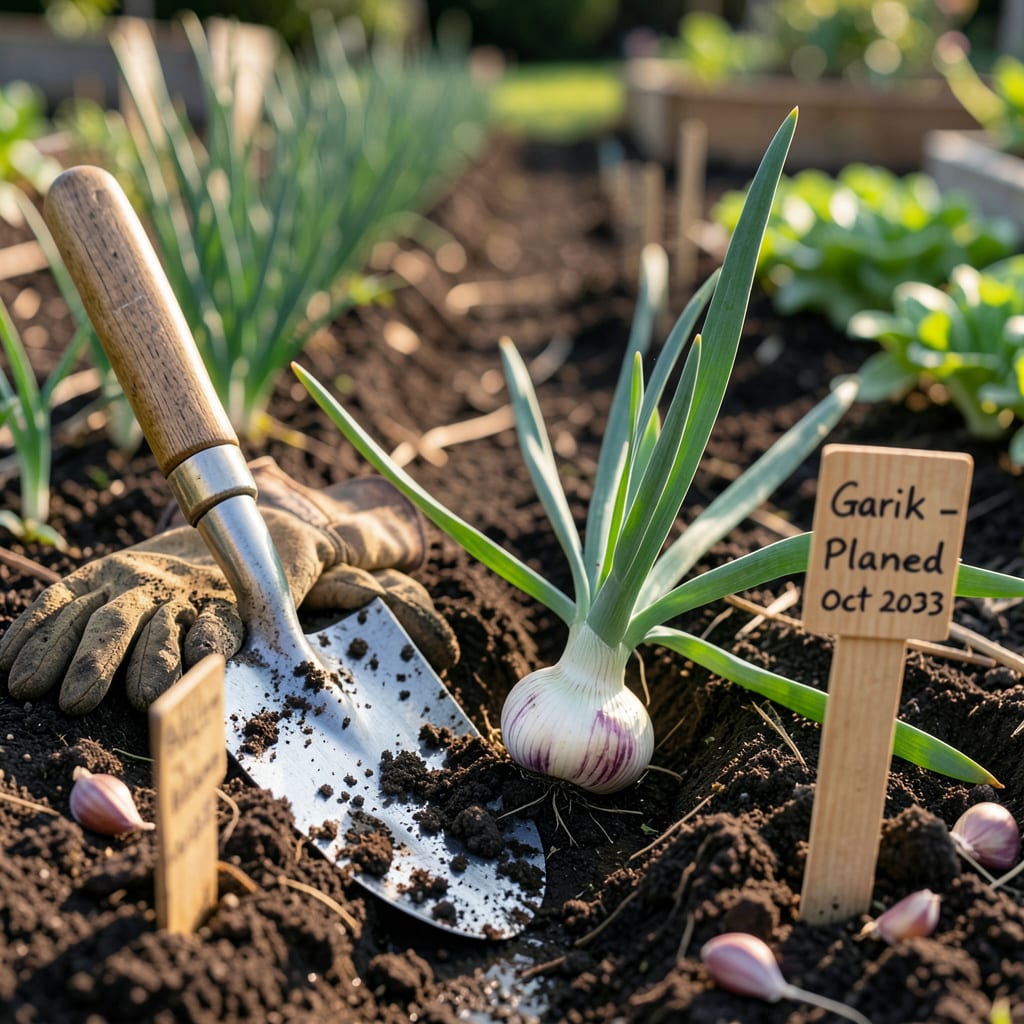
Timing your garlic planting in Oklahoma can make or break your harvest. Plant too early, and you risk sprouting before winter; too late, and those cloves won’t establish roots before the first frost. I’ve seen gardeners in Zone 7a go from disappointing results to bumper crops just by adjusting their schedule by a few weeks.
The sweet spot for Oklahoma falls between late September and early November—when soil temps hover around 50-60°F. But here’s what most guides don’t tell you: your exact window depends on whether you’re in Tulsa’s humid east or the drier panhandle. Let’s pinpoint the perfect time for your patch of Oklahoma dirt.
Oklahoma’s diverse climate means your garlic planting window isn’t one-size-fits-all. In the eastern humid zones (like Tulsa), you’ll want to plant earlier than the drier western panhandle. The key is hitting that 4-6 week window before your first frost date.
For most of Oklahoma (Zones 6b-8a), aim for October 1–15. But if you’re in the cooler northeast, shift to late September. Western gardeners can push to early November. Soil temps should read 50-60°F at planting—use a cheap thermometer to check!
| Region | USDA Zone | Planting Window | First Frost | Best Varieties |
|---|---|---|---|---|
| Eastern OK | 7a | Sept 20–Oct 10 | Oct 15 | German White, Chesnok Red |
| Central OK | 7a-7b | Oct 1–20 | Oct 20 | Music, Purple Stripe |
| Western OK | 6b-7a | Oct 10–Nov 5 | Nov 1 | Silverskin, Artichoke |
Eastern Oklahoma’s higher humidity means you’ll want hardneck varieties that resist fungal issues. I’ve had great success with ‘Chesnok Red’ in Tulsa—it handles the wet springs better than softnecks. Western gardeners should lean toward drought-tolerant Silverskins.
Don’t just watch the calendar—monitor soil temps. A $10 soil thermometer is your best tool. When daytime temps drop to the 70s and nights hit the 50s, it’s go time. Plant 2 inches deep, pointy end up, in well-draining soil amended with compost.
If you miss your window, don’t panic. You can plant as late as December 1 in Zone 7 if you mulch heavily (4-6 inches of straw). The cloves need 6 weeks of root growth before the ground freezes. Late plantings often yield smaller bulbs but are better than nothing!
Pro tip for clay-heavy soils (common in central OK): Raise your beds or amend with gypsum. Garlic hates wet feet. I lost an entire crop one year to rot because I skipped this step. Learn from my mistake—test your drainage before planting!
After planting, water once deeply to settle the soil, then hold off until spring. Mulch immediately with straw or leaves to insulate. In spring, you’ll see shoots emerge—that’s when you resume watering and add a balanced fertilizer (10-10-10).
Western Oklahoma gardeners, watch for late spring freezes. If temps dip below 28°F after sprouting, cover young plants with row fabric. Eastern gardeners should prioritize fungus prevention—space plants 8 inches apart for airflow.
Remember: Garlic is a long-game crop. What you do at planting determines your harvest 9 months later. I’ve found that Oklahoma-grown garlic stores better than store-bought—often lasting until the next harvest if cured properly. That’s the reward for nailing your timing! 🌱
Still unsure? Call your local OSU Extension office—they’ve got county-specific data. Or stick a thermometer in your soil and plant when it reads 55°F at 2-inch depth. That’s your golden number for Oklahoma success. ✂️
Even experienced Oklahoma gardeners can sabotage their garlic crop with simple oversights. I’ve seen firsthand how planting too late or choosing the wrong cloves can slash yields by half. Let’s tackle the four most common blunders—and how to fix them before they ruin your harvest.
The biggest mistake? Using grocery-store garlic. Those bulbs are often treated with growth inhibitors and may carry diseases. Instead, source from certified seed garlic suppliers or local farmers. I learned this the hard way when my entire first crop succumbed to white rot from store-bought cloves.
Cloves need 6 weeks of root growth before frost. In Zone 7a, planting after November 1 risks stunted bulbs. Use a soil thermometer—plant when temps hit 55°F at 2-inch depth.
Oklahoma’s clay-heavy soil suffocates garlic. Amend with 3 inches of compost and gypsum for drainage. Raised beds help in low-lying areas. Test pH—aim for 6.0–7.0.
Spacing matters! Plant cloves 6 inches apart in rows 12 inches apart. Crowding leads to small bulbs and fungal issues, especially in humid eastern OK.
Bare soil exposes cloves to freeze-thaw cycles. Apply 4–6 inches of straw after planting. Mulch also suppresses weeds that compete with garlic’s shallow roots.
Another silent yield-killer? Planting cloves upside down. Always orient them pointy-end up, flat side down. I use a marker to draw a line on my cloves if I’m prepping them ahead of time. This ensures the roots grow downward and sprouts push upward correctly.
Western Oklahoma gardeners often underestimate water needs in spring. While garlic is drought-tolerant, consistent moisture from March to May is critical for bulb sizing. Aim for 1 inch of water weekly, tapering off as harvest nears. Drip irrigation works best to avoid wetting foliage.
Don’t forget about fertilization timing. Many gardeners either overfeed or fertilize too late. Apply a balanced 10-10-10 when shoots emerge in spring, then switch to high-phosphorus 5-10-10 as bulbs form. Stop all feeding 4 weeks before harvest to avoid soft bulbs.
Finally, watch for early bolting in Oklahoma’s unpredictable springs. If flower stalks (scapes) appear, remove them immediately to redirect energy to bulb growth. I use clean shears to snip scapes when they curl—this can increase bulb size by 25%! 🌱
Choosing the right garlic variety for Oklahoma’s climate can make all the difference in your harvest. I’ve tested over a dozen types in my own garden, and some consistently outperform others. The key is matching varieties to your specific region—hardnecks for the east, softnecks for the west.
For eastern Oklahoma’s humidity, I swear by ‘Chesnok Red’ and ‘German White’. These hardnecks handle wet springs and produce large, flavorful cloves. Western gardeners should try ‘Silverskin’ or ‘Artichoke’—they’re drought-tolerant and store well.
Oklahoma’s clay-heavy soil is garlic’s worst enemy. I’ve developed a 5-step prep system that transforms even the toughest dirt. Start by testing your pH—garlic thrives at 6.0-7.0. If your soil is acidic, add lime; if alkaline, mix in sulfur.
For clay soils (common in central OK), amend with 3 inches of compost and 1 cup of gypsum per square yard. This breaks up compaction while adding nutrients. Raised beds are ideal if drainage is poor. In sandy western soils, add well-rotted manure to improve moisture retention.
My secret weapon for Oklahoma garlic? Wood ash. I sprinkle a thin layer (about 1/4 cup per plant) when preparing beds. It adds potassium, deters pests, and slightly raises pH—perfect for our often-acidic soils. Just don’t overdo it, as too much can make soil alkaline.
Planting before late September can cause cloves to sprout prematurely. The young shoots may get damaged by early frosts or attract pests. Ideal timing ensures roots develop without top growth until spring.
Spring planting isn’t recommended in Oklahoma. Garlic needs 6-8 weeks of cool weather to develop proper bulbs. Spring-planted garlic often produces small, underdeveloped cloves or may not form bulbs at all.
Plant cloves 2-3 inches deep in clay-heavy areas. This extra depth protects against freeze-thaw cycles common in Oklahoma winters. Always plant with the pointy end up and flat side down for proper growth.
Use 4-6 inches of straw or shredded leaves. This insulates against Oklahoma’s temperature swings and retains moisture during dry spells. Avoid hay as it often contains weed seeds that compete with your garlic.
Reduce watering 2-3 weeks before your expected harvest date. This helps the bulbs cure properly in the ground. In Oklahoma, this typically means tapering off water in late May or early June.
