
Beautiful Plants For Your Interior
Beautiful Plants For Your Interior
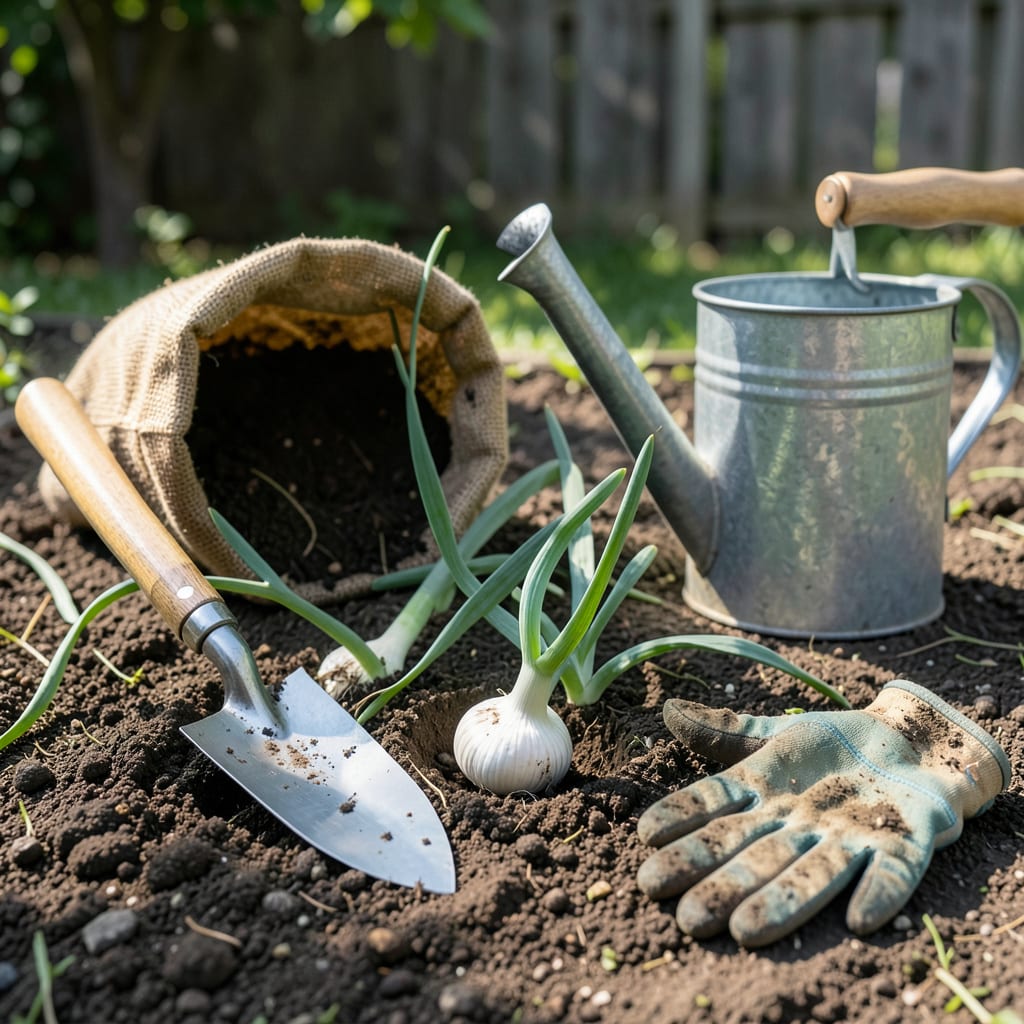
If you’ve ever pulled up puny garlic bulbs instead of those plump, flavorful heads you dreamed of, timing might be your downfall. North Florida’s Zone 8b-9a climate plays by its own rules, and nailing that fall planting window makes all the difference.
I’ve seen gardeners struggle with weak harvests simply because they planted too early or too late. Let me show you exactly when to get those 🧄 cloves in the ground for maximum growth—and how to work with our region’s mild winters instead of against them.
If you’ve ever tried growing garlic in North Florida, you know our subtropical climate plays by its own rules. Unlike northern states, we don’t have harsh winters—but that doesn’t mean timing doesn’t matter. In fact, planting too early risks rot, while planting too late stunts bulb growth. 🌱
The sweet spot? Mid-October to early November, when soil temps hover around 60–65°F. This mimics the vernalization process garlic needs to form bulbs, without exposing tender shoots to rare but possible December frosts. Coastal gardeners can push to late November, while inland folks should aim earlier. ☀️
| Requirement | Specification |
|---|---|
| Ideal Planting Months | Mid-October to early November |
| Soil Temperature | 60–65°F at 2″ depth |
| USDA Zones | 8b–9a |
| Coastal Adjustment | Plant up to late November |
| Frost Risk | Low (mulch for protection) |
| Harvest Window | April–May (240 days) |
Here’s why this window works: Garlic needs 4–6 weeks of cool (but not freezing) temps to develop bulbs. North Florida’s mild winters provide just enough chill without killing shoots. I’ve found that soil thermometers are worth the $10 investment—aim for consistent 60°F+ at planting depth. 🌡️
If you’re in Jacksonville or Gainesville, watch for microclimate shifts. Urban areas retain heat, so I delay planting by 1–2 weeks compared to rural spots. And don’t trust the calendar alone—sandy soils warm faster than clay, so adjust based on your garden’s texture. ✂️
Pro tip: Pre-chill cloves for 2 weeks in the fridge if planting after November 15th. This tricks the garlic into thinking it’s had a longer winter. I use a paper bag in the crisper drawer—no plastic, which traps moisture and causes mold. 🪴
What if you miss the window? December plantings can still work, but expect smaller bulbs. I’ve salvaged late starts by using extra mulch (4–6″ of straw) to insulate soil. Avoid spring planting—North Florida’s heat causes bolting before bulbs form. 🌿
For variety selection, stick with softneck types like ‘Silverskin’ or ‘Artichoke’—they handle our humidity better than hardnecks. I’ve had great luck with ‘Georgia Fire’, a regional favorite that stores well in our warm summers. Always source from reputable growers, not grocery stores (those cloves are often treated to prevent sprouting).
Remember, garlic is a marathon, not a sprint. From planting to harvest, you’re looking at 8–9 months. Mark your calendar for early April—that’s when I start checking for yellowing lower leaves, the first sign bulbs are ready. Patience pays off with plump, flavorful heads that’ll make your neighbors jealous! 🌾
Still unsure? The UF/IFAS Extension offers free soil testing—send a sample to confirm your pH is 6.0–7.0. I test mine every fall and amend with composted cow manure if needed. A little prep now means bigger bulbs come spring. 💧
Now that you know when to plant, let’s talk about how to do it right. North Florida’s sandy soils and humid climate demand extra prep work—but trust me, the payoff is worth it. Start by testing your soil’s pH; garlic thrives in 6.0–7.0. I use a simple probe tester from my local garden center. 🌱
For soil prep, mix in 2–3 inches of compost or well-rotted manure. Our native sand drains fast, so organic matter helps retain moisture while preventing waterlogging. Avoid fresh manure—it’s too hot and can burn cloves. I prefer composted cow manure for its balanced nutrients and gentle release. 💧
Never use grocery-store garlic for planting. Those cloves are often treated with growth inhibitors to prevent sprouting. Instead, source seed garlic from reputable suppliers like Filaree Farm or Southern Exposure Seed Exchange.
Why it matters: Treated cloves may sprout but rarely form full bulbs, wasting 8+ months of your time.
When selecting garlic varieties, stick with softneck types like ‘Silverskin’ or ‘Artichoke’. They handle our humidity and heat far better than hardnecks. My go-to is ‘Georgia Fire’, a regional favorite with a spicy kick and excellent storage life. For milder flavor, try ‘Florida White’. 🌿
Plant cloves 2 inches deep, pointy-end up, spacing them 6 inches apart in rows 12 inches apart. This gives bulbs room to expand without competing for nutrients. I use a dibble stick to make uniform holes—it’s faster than digging each one by hand. After planting, water deeply to settle soil around cloves. ✂️
Mulching is non-negotiable in North Florida. Apply 4–6 inches of straw or pine needles to regulate soil temp and retain moisture. Avoid hay—it often contains weed seeds. Mulch also suppresses weeds, which compete with garlic’s shallow roots. I’ve found straw breaks down slower, lasting through harvest. 🪴
After planting, water weekly unless rain provides 1 inch. Overwatering causes rot, so let the top inch of soil dry between waterings. In spring, switch to fertilizing every 4–6 weeks with a 5-10-10 or 10-10-10 blend. Stop fertilizing by late March to let bulbs mature. Patience is key—your reward comes in April or May! 🌾
Not all garlic thrives in North Florida’s humid subtropical climate, but these five varieties have proven themselves in my garden—and in UF/IFAS trials. The key is choosing softneck types that handle our heat and store well in warm conditions. 🌱
First up is ‘Georgia Fire’, my personal favorite. This spicy softneck was bred for Southern climates and packs a punch. It stores for 6–8 months and produces large, uniform bulbs even in sandy soil. I’ve grown it for three years straight with zero issues. ☀️
For beginners, ‘Florida White’ is a forgiving choice. It matures 2–3 weeks earlier than others, which helps avoid late-spring rains that can rot bulbs. The flavor is milder, making it perfect for roasting. I recommend this for coastal gardeners dealing with saltier soils. 🌿
If storage life is your priority, ‘Silverskin’ can last up to 12 months in proper conditions. It’s the variety you most often find in grocery stores (though theirs is treated—don’t plant it!). This type thrives in container gardens too, needing only 8-inch depth per clove. 🪴
For those craving bold flavors, ‘Artichoke’ delivers. Its 4–6 large cloves per bulb make peeling a breeze. The trade-off? It produces fewer bulbs per square foot. I dedicate a separate bed for this variety since it needs extra phosphorus to size up properly. ✂️
Finally, ‘Chet’s Italian Red’ offers a complex, slightly sweet profile that chefs love. It’s my go-to for gourmet dishes. The plants are vigorous, often reaching 24 inches tall, so give them extra space. This variety also shows better pest resistance against common Florida nematodes.
Planting before mid-October risks rot or weak growth. Warm soil temperatures can cause cloves to sprout prematurely, leading to small bulbs. The ideal window (mid-October to early November) ensures proper root development before winter.
Yes, but expect smaller bulbs. December plantings need extra care: pre-chill cloves for 2 weeks in the fridge and use 6 inches of mulch to protect against temperature swings. Avoid spring planting—heat causes bolting.
Softneck varieties like ‘Georgia Fire’ and ‘Silverskin’ thrive here. They handle heat better than hardnecks and store well in warm conditions. ‘Florida White’ is another great choice for beginners due to its mild flavor.
Look for yellowing lower leaves and weakening stems in April–May. Gently dig to check bulb size—harvest when cloves are plump but before they split. Use a fork to lift bulbs carefully to avoid bruising.
