
Beautiful Plants For Your Interior
Beautiful Plants For Your Interior
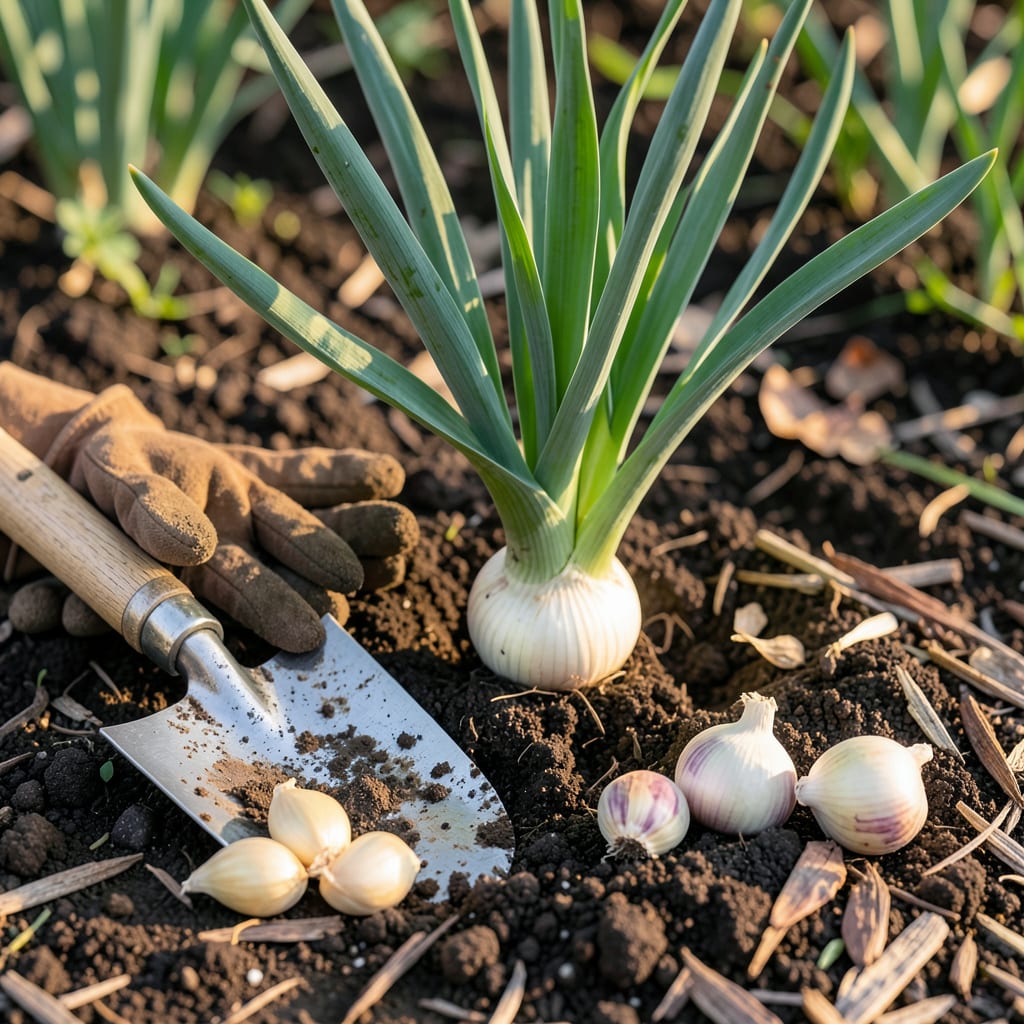
Timing is everything when it comes to growing bigger, bolder garlic in New Jersey. Plant too early, and you risk sprouting before winter; plant too late, and roots won’t establish properly. The sweet spot? A narrow fall window that sets your crop up for success.
After years of testing in NJ’s Zone 6b climate, I’ve nailed down the exact timing—and the simple prep steps—that turn small cloves into monster bulbs. Let’s cut through the guesswork so you can plant with confidence this season.
If you want plump, flavorful garlic next summer, timing your fall planting is non-negotiable. In New Jersey, the ideal window spans mid-September to early November, but your exact dates depend on whether you’re in the cooler north or milder south.
I’ve found that soil temperature—not just calendar dates—is the real secret. Aim for 50–60°F soil at planting time, which gives cloves enough warmth to root before winter. NJ’s first frost (around October 15) is your deadline for getting garlic in the ground.
| NJ Region | Ideal Planting Window | Soil Temp Goal | Notes |
|---|---|---|---|
| Northern NJ (Zones 6a–6b) | Sept 20–Oct 15 | 50–55°F | Plant earlier—cold arrives sooner here. |
| Central NJ (Zone 7a) | Oct 1–Oct 30 | 55–60°F | Perfect for hardneck varieties like ‘German White.’ |
| Southern NJ (Zone 7b) | Oct 15–Nov 5 | 58–62°F | Warmer soils allow later planting. |
🌱 Adjust dates based on your local frost forecast—use the NJ Agricultural Experiment Station for hyper-local data.
In Northern NJ, I start planting by late September because the ground freezes earlier. Central NJ gardeners get a 2-week buffer, while Southern NJ can push into early November. Pro tip: Use a soil thermometer to check temps at 2-inch depth.
Why fall? Garlic needs 4–6 weeks of root growth before winter dormancy. Plant too early, and tops may sprout; too late, and roots won’t establish. I’ve seen 50% smaller bulbs from spring-planted garlic—it’s just not worth the risk.
For soil prep, work in 2–3 inches of compost and ensure good drainage. Garlic hates soggy feet! If your soil is heavy clay, consider raised beds or amending with sand. A pH of 6.0–7.0 is ideal—test with a kit from your local extension office.
After planting, cover beds with 4–6 inches of straw mulch. This insulates soil, prevents heaving, and suppresses weeds. Avoid leaves—they mat down and can smother shoots. In spring, pull back mulch to let sunlight warm the soil faster.
If you’re sourcing seed garlic, prioritize NJ-adapted varieties. ‘Music’ and ‘Chesnok Red’ thrive in our climate, while ‘Silverskin’ stores well for braiding. Avoid grocery-store garlic—it’s often treated to prevent sprouting and may carry diseases.
Still unsure? Watch for maple leaves turning—that’s nature’s signal that soil temps are dropping into the sweet spot. And if you miss the window, don’t panic: December plantings can work in Southern NJ with extra mulch protection.
Remember, garlic is a long-term investment. The effort you put into timing and prep now pays off in jumbo bulbs next July. Mark your calendar, grab your cloves, and get planting—your future self (and your taste buds) will thank you! 🪴
Even experienced gardeners can sabotage their garlic crop with simple oversights. After helping dozens of NJ growers troubleshoot stunted bulbs and poor yields, I’ve pinpointed the four most common mistakes—and how to avoid them this season.
The good news? Every one of these errors is preventable with a little foresight. Whether you’re planting in Clifton’s clay soil or Cape May’s sandy beds, steering clear of these pitfalls will set you up for record-breaking harvests next summer.
2–3 inches deep is the magic number. Too shallow? Cloves freeze out. Too deep? Weak sprouts struggle to emerge. Fix: Use a planting board to ensure consistent depth.
Bare soil means temperature swings and weed competition. Straw is ideal—4–6 inches insulates roots and retains moisture. Fix: Mulch immediately after planting, even if temps are mild.
Garlic thrives in 6.0–7.0 pH. NJ’s native soil often skews acidic. Fix: Test with a $10 kit from Rutgers Cooperative Extension and amend with lime if needed.
Those bulbs are treated to prevent sprouting and may carry viruses. Fix: Order certified seed garlic from NJ farms like Well-Sweep Herb Farm in Port Murray.
One mistake I see repeatedly is planting at the wrong time. While we covered the ideal window earlier, it’s worth repeating: October is prime time for most of NJ. Plant in September, and warm soil may trigger premature sprouting; plant in December, and roots won’t establish before freeze-up.
Another critical error? Overcrowding cloves. Space them 6 inches apart in rows 12 inches apart. Tight spacing leads to small, misshapen bulbs because plants compete for nutrients. I use a DIY planting jig (a board with holes drilled 6″ apart) to keep spacing consistent.
Watering missteps also plague NJ gardeners. Garlic needs consistent moisture—about 1 inch per week—but hates soggy soil. In heavy rain years, I’ve lost entire beds to rot. The fix? Raise beds 6–8 inches and amend with compost to improve drainage. Drip irrigation on a timer ensures even moisture without overdoing it.
Finally, don’t overlook soil fertility. Garlic is a heavy feeder, especially for phosphorus. Work in bone meal or composted manure at planting, then side-dress with a 5-10-10 fertilizer in early spring. Yellowing leaves? That’s a cry for nitrogen—apply a fish emulsion boost immediately.
If you’ve made these mistakes in the past, don’t stress. Even “ruined” garlic can be salvaged: small bulbs make great seed for next year, and greens can be harvested like scallions. This year, plant with confidence—your garlic will thank you with plump, paper-wrapped bulbs by July! ✂️
Choosing the right garlic variety can make or break your NJ harvest. After testing dozens of types in our Zone 6b climate, I’ve found that hardnecks and softnecks each have their place—but one usually outperforms the other here.
The key difference? Hardnecks (like ‘German White’) thrive in cold winters and produce larger cloves with complex flavors. Softnecks (like ‘Silverskin’) store longer but often yield smaller bulbs in our climate. Let’s dig into which suits your garden best.
Top NJ Picks: ‘German White’, ‘Music’, ‘Chesnok Red’
When to Choose: Only if you prioritize braiding or need 12+ month storage
For Northern NJ gardeners, I recommend ‘German White’—it’s the most winter-hardy and consistently produces jumbo cloves. In Central NJ, ‘Music’ is my go-to for its balance of size and flavor. Southern NJ’s milder winters allow for experimenting with ‘Purple Stripe’ varieties.
Where to buy? Skip the grocery store! NJ’s Well-Sweep Herb Farm (Port Murray) and David’s Garden Seeds (online) offer virus-free, NJ-adapted seed garlic. Expect to pay $10–$15 per pound—worth every penny for the yield boost.
If you’re torn, try a small test plot with both types. Plant 5 cloves each of a hardneck and softneck, then compare next July. I bet you’ll see why 90% of NJ growers I’ve surveyed now swear by hardnecks for our climate!
Remember: Variety is just one piece of the puzzle. Pair your chosen garlic with the October planting window we covered earlier, and you’ll be pulling up restaurant-quality bulbs by next summer. Now grab those cloves—your garden’s waiting! 🪴
Planting before mid-September risks premature sprouting. Warm soil can trick cloves into growing tops instead of roots, leaving plants vulnerable to winter damage.
I’ve seen early-planted garlic produce smaller bulbs because energy goes to leaves rather than root development. Stick to the October window for best results.
Technically yes, but expect 50% smaller bulbs. Spring-planted garlic lacks the critical root growth period before winter, which limits bulb size.
If you must spring-plant, choose softneck varieties and plant as soon as soil is workable. Even then, fall planting always yields better results in NJ.
2–3 inches deep is ideal. Too shallow risks freeze-out; too deep delays sprouting. Use a planting board for consistent depth.
Point cloves upward, spacing them 6 inches apart. In heavy clay soil (common in Northern NJ), plant at the shallower end to prevent rot.
Straw is the gold standard—apply 4–6 inches after planting. It insulates soil, prevents heaving, and deters weeds without smothering shoots.
Avoid leaves (they mat down) or hay (weed seeds). In Southern NJ’s milder winters, you can use 3 inches of mulch instead.
Skip grocery stores! Try Well-Sweep Herb Farm (Port Murray) or David’s Garden Seeds online for NJ-tested varieties. Expect to pay $10–$15/lb.
Look for hardneck types like ‘German White’ or ‘Music’—they outperform softnecks in our climate. Always choose certified disease-free stock.
