
Beautiful Plants For Your Interior
Beautiful Plants For Your Interior
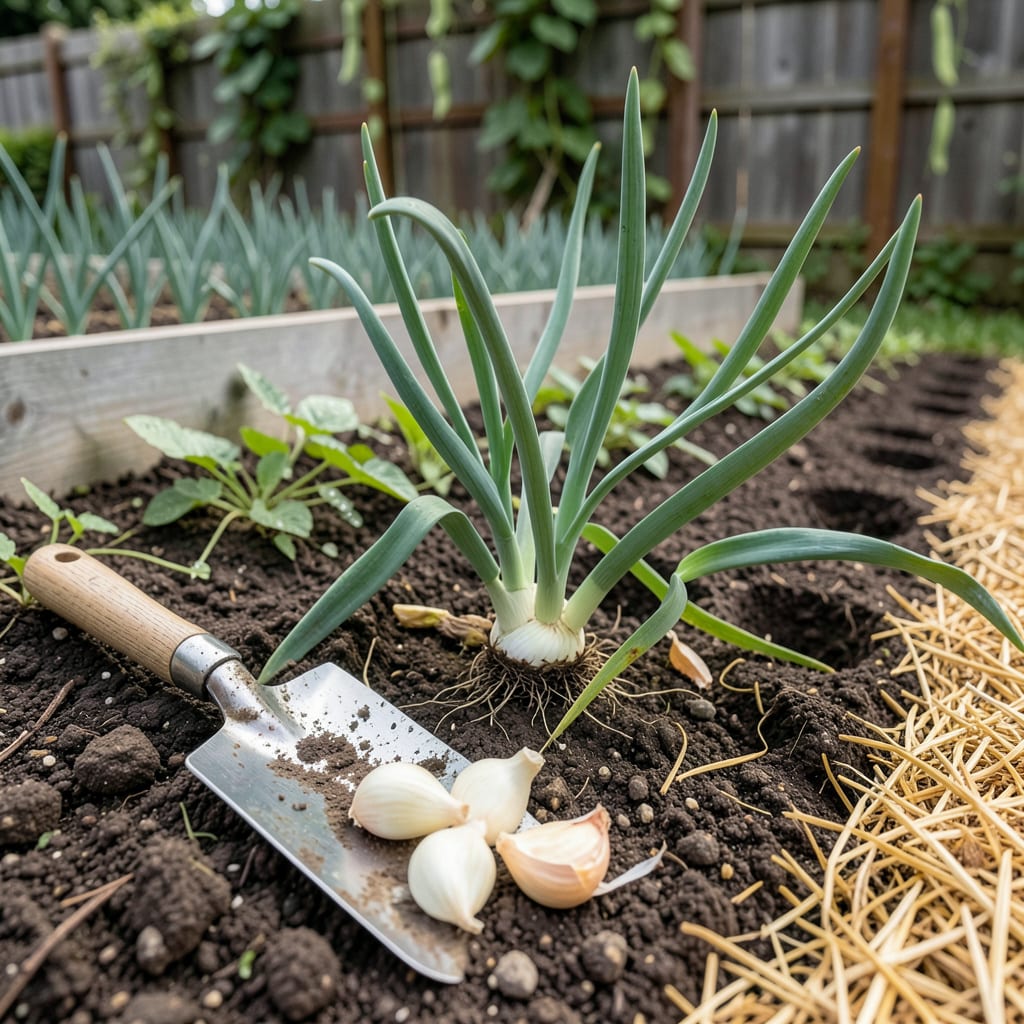
If you’ve ever pulled up puny garlic bulbs in July, you know timing is everything in Nebraska. Plant too early, and your 🧄 might sprout before winter; plant too late, and roots won’t establish before the freeze. The sweet spot? A narrow window that makes all the difference.
After years of testing (and a few failed crops), I’ve nailed down the exact fall schedule for Zone 5a. Stick with me, and I’ll show you how to get plump, flavorful bulbs next summer—without guessing games or wasted effort.
If you’ve ever pulled up tiny garlic bulbs in July and wondered what went wrong, chances are your timing was off. In Nebraska’s USDA Zones 4b-5b, garlic thrives when planted in fall, but the window is tighter than you might think. The sweet spot is 4–6 weeks before the ground freezes—just enough time for roots to establish without tops sprouting before winter.
Nebraska’s climate isn’t one-size-fits-all, though. Your planting date shifts slightly whether you’re in the Panhandle’s cooler Zone 4b, the Central Plains’ Zone 5a, or the slightly milder Eastern Region. Soil temperature matters too: aim for 50–60°F at planting depth (about 2 inches down). Too warm, and cloves may sprout prematurely; too cold, and roots won’t develop.
| Region | USDA Zone | Ideal Planting Window | First Frost Date | Soil Prep Tip |
|---|---|---|---|---|
| Panhandle | 4b | Sept 20–Oct 10 | Oct 1 | Add 2–3″ compost for insulation |
| Central | 5a | Oct 1–Oct 20 | Oct 15 | Test pH; aim for 6.0–7.0 |
| Eastern | 5b | Oct 10–Nov 1 | Oct 25 | Mulch with 4–6″ straw post-planting |
💡 Pro Tip: Use a soil thermometer to confirm temps—don’t rely on air temperature!
In urban areas like Omaha or Lincoln, microclimates can extend your window by a week or two thanks to heat islands and protected spaces. I’ve had success planting as late as November 5 in a south-facing bed against a brick wall. Rural gardens, though, should stick closer to the earlier dates—frost pockets are real in open fields!
Soil prep is non-negotiable. Nebraska’s clay-heavy soils need amending with compost or aged manure (I use a 50/50 mix with native soil). Work in 2–3 inches of organic matter and ensure your bed is well-draining—garlic hates wet feet. A raised bed can be a game-changer if your soil is particularly dense.
Here’s a trick I learned from Nebraska Extension: soak cloves in baking soda (1 tbsp per gallon of water) for 30 minutes before planting. This reduces fungal risks and gives them a head start. Plant cloves 2 inches deep, pointy-end up, and 6 inches apart. Any closer, and you’ll get smaller bulbs.
Mulching is your winter insurance policy. After planting, cover beds with 4–6 inches of straw (not hay—it’s weedy!). In the Panhandle, add an extra inch for insulation. Come spring, pull back mulch once shoots emerge to prevent rot. I’ve lost entire crops to botrytis rot from overly enthusiastic mulching—learn from my mistake!
Watch the 10-day forecast before planting. If a hard freeze (below 25°F) is predicted within a week of your target date, hold off. Garlic cloves need time to develop roots (about 3–4 weeks) but shouldn’t sprout green tops before winter. If you see green shoots in December, you’ve planted too early.
For hardneck varieties like ‘German White’ or ‘Music’ (my favorites for Nebraska), fall planting is a must—they require vernalization (a cold period) to form bulbs. Softnecks like ‘Silverskin’ can be planted in early spring, but you’ll sacrifice size and flavor. More on that comparison later!
Finally, mark your calendar for July harvest. Nebraska-grown garlic typically matures in 240–270 days from planting. When the lower third of leaves turn brown but 5–6 green leaves remain, it’s go time. Dig carefully—bruised bulbs don’t store well. And yes, you can grow garlic in Nebraska that rivals what you’d buy at a farmers’ market!
🌱Even experienced Nebraska gardeners can sabotage their garlic crop with a few common blunders. I’ve made (and learned from!) every one of these mistakes—so you don’t have to. The biggest offender? Planting at the wrong depth. Bury cloves too shallow, and they’ll heave out of the soil during freeze-thaw cycles.
Another frequent misstep is skipping soil prep. Nebraska’s heavy clay can suffocate garlic roots if you don’t amend it with compost or sand. I once lost an entire bed to waterlogged soil after a wet spring—lesson learned the hard way. Let’s dive into the four most costly errors and how to avoid them.
Planting grocery-store garlic? Big mistake! Most is treated with sprout inhibitors and may carry diseases. Always use seed garlic from reputable suppliers like Filaree Farm or Territorial Seed Co.
💡 Quick Fix: If you must use store-bought, choose organic garlic and soak cloves in 1:10 bleach solution for 30 minutes to kill pathogens.
Mistake #2 is ignoring mulch—or using the wrong kind. Straw is ideal (4–6 inches deep), but many gardeners grab whatever’s cheap, like hay or grass clippings. These compact too much and can smother emerging shoots. In the Panhandle’s Zone 4b, skimping on mulch means risking winterkill during brutal cold snaps.
Overcrowding cloves is another yield-killer. I used to plant them 3 inches apart to save space—until I ended up with marble-sized bulbs. Garlic needs 6 inches of space to develop full heads. If you’re tight on room, try staggered rows (offset every other clove) to maximize space without sacrificing size.
The final blunder? Planting at the wrong time. Remember: garlic needs 4–6 weeks of root growth before the ground freezes. Plant too early (before October 1 in most of Nebraska), and you’ll get premature sprouting. Plant too late (after November 1), and roots won’t establish. Use a soil thermometer—when temps hit 50°F at 2″ depth, it’s go time.
Here’s a pro tip from my years of trial and error: Label your varieties. I once mixed up ‘German White’ and ‘Silverskin’ and was baffled by the inconsistent harvest. Hardnecks (like ‘Music’) need cold exposure to form bulbs, while softnecks (like ‘California Early’) are more forgiving but less flavorful. Keep notes on what performs best in your specific Nebraska microclimate.
🌱If you’re debating whether to plant garlic in fall or spring in Nebraska, the answer hinges on your goals. Fall-planted hardneck garlic (like ‘German White’ or ‘Music’) consistently outperforms spring-planted softnecks in our climate. The secret? Nebraska’s cold winters provide the vernalization hardnecks need to form large, flavorful bulbs.
Spring planting works for softneck varieties like ‘Silverskin,’ but you’ll sacrifice both size and flavor. In my side-by-side trials, fall-planted ‘German White’ produced bulbs 30% larger than spring-planted ‘California Early.’ The trade-off? Softnecks store longer (up to 12 months vs. 4–6 months for hardnecks).
| Factor | Fall-Planted Hardneck | Spring-Planted Softneck |
|---|---|---|
| Bulb Size | Large (2–2.5″) | Small (1–1.5″) |
| Flavor Intensity | Bold, complex | Milder, simpler |
| Storage Life | 4–6 months | 10–12 months |
| Planting Window | Oct 1–Nov 1 | April 1–15 |
| Cold Hardiness | Thrives in Zone 5a | Needs frost protection |
💡 Pro Tip: For both methods, use seed garlic—never grocery-store cloves!
Cost-wise, fall planting wins too. A $20 seed garlic order yields about 50–60 cloves, enough for a 20-foot row. Spring-planted softnecks often require purchasing new seed annually, as they rarely produce viable cloves for replanting in Nebraska’s climate. I’ve saved $50+ per year by sticking with hardnecks and replanting my largest cloves each fall.
For urban gardeners with limited space, consider container-growing softnecks in spring. Use a 12-inch-deep pot with drainage holes, and place it in full sun. Water consistently—dry soil is the #1 killer of container garlic. In rural areas, fall-planted hardnecks in raised beds give the highest yields, especially in Nebraska’s clay-heavy soils.
If you’re still unsure, try a split test: plant half your garlic in October and half in April. Track which performs better in your specific microclimate. In my Omaha garden, fall-planted ‘Music’ garlic outyielded spring ‘Silverskin’ by 2:1 in both size and flavor. The choice is clear for me—but your mileage may vary! 🌱
Planting before October 1 risks premature sprouting. Garlic cloves may send up green shoots before winter, which are vulnerable to freeze damage. Stick to the 4–6 week window before ground freeze for best results.
No—most store-bought garlic is treated with sprout inhibitors and may carry diseases. Always use seed garlic from reputable suppliers. If you must, soak organic cloves in a 1:10 bleach solution for 30 minutes first.
Bury cloves 2 inches deep, pointy-end up, and 6 inches apart. Too shallow, and they’ll heave out during freeze-thaw cycles; too deep, and sprouts may struggle to emerge.
Use 4–6 inches of straw (not hay—it’s weedy!). In the Panhandle’s Zone 4b, add an extra inch for insulation. Avoid grass clippings or leaves, which can compact and smother shoots.
Reduce watering 2–3 weeks before harvest (typically late June). This helps bulbs cure properly. Overwatering late in the season can lead to rot or split wrappers.
