
Beautiful Plants For Your Interior
Beautiful Plants For Your Interior
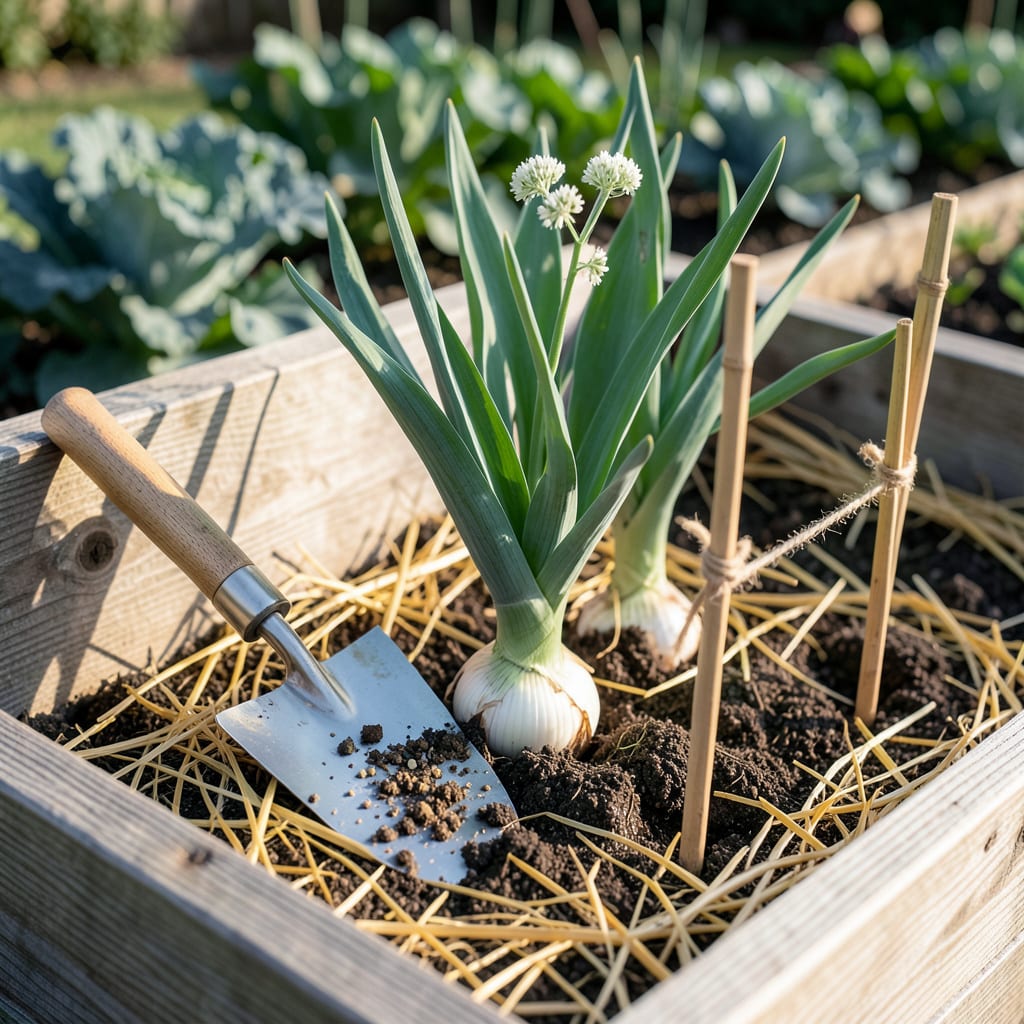
Timing is everything when it comes to growing bigger, bolder garlic in North Carolina. Plant too early or too late, and you might end up with sad, shriveled cloves instead of those plump bulbs you’re dreaming about.
After years of testing what works best in our Zone 7a climate, I’ve nailed down the perfect fall window—and the simple prep tricks that make all the difference. Let’s get your 🧄 off to the right start.
North Carolina’s diverse climate means your garlic planting window shifts depending on where you live. In the Piedmont region (Zone 7a), mid-October to early November is ideal. Coastal areas (Zone 8a) can push planting into late November, while mountain growers (Zone 6a) should aim for early October.
The secret? Get cloves in the ground 4-6 weeks before your first frost. This gives roots time to establish before winter dormancy. Soil temps should hover around 50°F—cool enough to prevent sprouting but warm enough for root growth.
| Region | USDA Zone | Planting Window | First Frost |
|---|---|---|---|
| Mountains | 6a | Oct 1-15 | Mid-October |
| Piedmont | 7a | Oct 15-Nov 1 | Early November |
| Coastal Plain | 8a | Nov 1-15 | Late November |
*Plant hardneck varieties in mountains; softnecks thrive in warmer coastal zones.
Why does timing matter so much? Garlic needs vernalization—a period of cold exposure—to form proper bulbs. Plant too late, and roots won’t develop enough before winter. Plant too early, and you risk premature sprouting that winter kill can wipe out.
I’ve found that soil prep in September pays off. Work in 2-3 inches of compost and check your pH (aim for 6.0-7.0). Garlic hates soggy feet, so ensure your bed has good drainage. Raised beds work beautifully for this.
For variety selection, ‘German White’ and ‘Chesnok Red’ hardnecks excel in NC’s mountains, while ‘Silverskin’ softnecks are coastal favorites. Avoid grocery-store garlic—it’s often treated to prevent sprouting.
After planting, apply 4-6 inches of mulch (straw or shredded leaves). This insulates soil, prevents heaving during freeze-thaw cycles, and suppresses weeds. Come spring, you’ll see green shoots emerging—your first sign of success!
Remember: Garlic is a long-term investment. From planting to harvest takes 8-9 months. But when you pull those plump bulbs in June, you’ll know the wait was worth it. Pro tip: Mark your calendar for July 4th weekend—that’s prime harvest time for most of NC.
If you’re gardening in containers, use 12-inch deep pots and move them to a sheltered spot when temps dip below 20°F. Container-grown garlic needs extra winter protection but can yield just as well as in-ground plants.
Still unsure about your exact planting date? Check your local frost dates and count backward 6 weeks. That’s your sweet spot. And if you miss the window? You can try spring planting, but expect smaller bulbs—garlic really prefers that cold treatment.
North Carolina’s diverse climate zones mean garlic planting isn’t one-size-fits-all. In the Piedmont (Zone 7a-7b), you’ll want to aim for mid-October through early November, while Coastal Plain (Zone 8a) gardeners can push planting to late November.
The key is getting cloves in the ground 4-6 weeks before your first frost. This gives roots time to establish without tops sprouting too early. For the Mountains (Zone 6a-6b), shift earlier—plant by mid-October to avoid winterkill. Soil temps should be below 60°F but above freezing.
🌱 Pro Tip: Use a soil thermometer—plant when temps hit 50°F at 2″ depth.
If you miss the ideal window, don’t panic. September plantings can work in cooler microclimates, but you’ll need to mulch heavily (4-6″ of straw) to prevent heaving. Avoid planting after December 1—late cloves often produce smaller bulbs.
For hardneck varieties like ‘German White’ or ‘Chesnok Red’, stick to the earlier end of your window. These need vernalization (cold exposure) to form scapes. Softnecks (‘Silverskin’, ‘Artichoke’) are more forgiving and handle warmer Coastal winters better.
Remember: Garlic is a long-season crop. Those cloves you tuck in this fall won’t be ready until next June or July. But get the timing right, and you’ll be rewarded with bulbs twice the size of grocery-store finds. The secret? Cool soil + no competition from weeds.
Still unsure about your exact dates? Check your local frost chart and count backward. Or try the “finger test”: If you can’t push your finger 2″ into the soil, it’s too dry to plant. Adjust with compost or water lightly before planting.
Even with perfect planting timing, your North Carolina garlic might send distress signals. The first red flag? Yellowing leaves in spring. This usually means overwatering or nitrogen deficiency. Check soil moisture—it should feel like a wrung-out sponge.
If your garlic fails to sprout by mid-March, cold damage or rot may be to blame. Dig gently to inspect cloves. Healthy ones will be firm with small roots. Mushy cloves? You’ve got fungal issues—next year, improve drainage and use clean seed garlic.
💡 Prevention Tip: Plant in raised beds with 50% compost to avoid most issues.
Seeing purple-tinged leaves? That’s a phosphorus deficiency. Work in 1 tbsp bone meal per plant and water deeply. If bulbs start forming too early (before May), you planted too shallow—aim for 2-inch depth next season.
For stunted growth, check your spacing. Crowded garlic (closer than 6 inches apart) competes for nutrients. Thin if needed. Weeds are another culprit—mulch with straw to suppress them without disturbing shallow garlic roots.
Remember: Garlic is drought-tolerant once established, but needs consistent moisture during bulb formation (May-June). Reduce watering as harvest nears to prevent rot. When lower leaves brown, that’s normal maturity—not a problem!
If you spot white rot (fluffy mold at base), remove affected plants immediately and solarize the soil next summer. For future crops, rotate beds and plant in full sun (6+ hours daily) to prevent fungal issues.
Planting too early can cause premature sprouting before winter. These tender shoots are vulnerable to frost damage, which may kill the plant or stunt bulb development. Aim for soil temps around 50°F to avoid this issue.
Use 12-inch deep pots with drainage holes and well-draining soil. Move containers to a sheltered spot when temps drop below 20°F. Container-grown garlic needs more frequent watering but yields just as well.
Look for green shoots emerging in early spring (March). Gently dig around one clove—healthy roots will be white and firm. If you see mushy cloves or no growth by April, it’s time to replant.
Hardnecks (like ‘German White’) thrive in colder mountain regions and produce scapes. Softnecks (like ‘Silverskin’) handle coastal warmth better and store longer. Choose based on your zone and flavor preferences.
You can try, but expect smaller bulbs. Spring-planted garlic lacks the cold exposure needed for optimal bulb formation. If attempting, plant as early as possible (February) and use softneck varieties for better results.
