
Beautiful Plants For Your Interior
Beautiful Plants For Your Interior
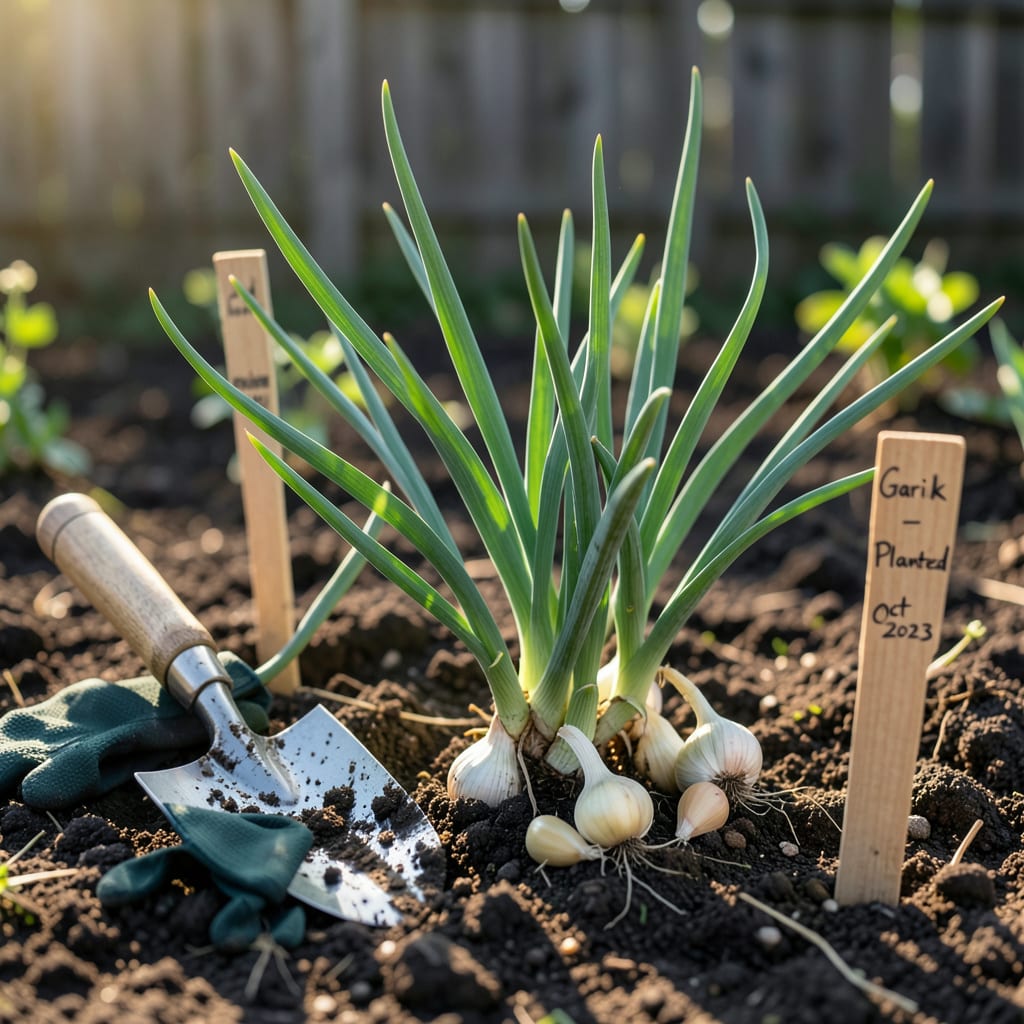
Missouri’s unpredictable weather can turn garlic planting into a guessing game—plant too soon, and you’ll get sprouts before winter; too late, and roots won’t establish. But here’s the good news: there’s a perfect 6-week window that guarantees big, flavorful bulbs by next summer.
I’ve tested this timing across Missouri’s zones, and the results speak for themselves. Whether you’re in Kansas City or the Bootheel, I’ll show you exactly when to get those cloves in the ground—and why October through early November is your golden opportunity. Let’s dig in.
Missouri’s three distinct climate zones mean garlic planting timing varies dramatically from St. Louis to Springfield. I’ve found that northern Missouri gardeners need to plant earlier than their southern counterparts—sometimes by as much as 3-4 weeks. The key is working backward from your region’s first frost date.
For most of Missouri, October 15 is the magic date—you’ll want cloves in the ground 4-6 weeks before your expected first frost. That gives roots time to establish without sending up tender shoots that winter could kill. Southern Missouri can push this to early November, while northern areas should aim for early October.
Urban gardeners in St. Louis or Kansas City often deal with heat islands that delay frost by 1-2 weeks. I recommend adjusting your planting date 7-10 days later than rural areas in the same zone. The University of Missouri Extension confirms this microclimate effect can be significant for fall-planted crops.
Soil preparation matters just as much as timing. Missouri’s clay-heavy soils need amending with compost or sand to prevent waterlogging. I’ve seen garlic rot in poorly drained beds after winter thaws. Aim for a loamy texture—your cloves will thank you with bigger bulbs come June.
If you’re planting hardneck varieties (best for northern Missouri), you’ll get larger cloves but shorter storage life. Southern gardeners should opt for softneck types like Silverskin, which handle humidity better and store up to 12 months. Both need full sun and consistent moisture.
Missouri’s freeze-thaw cycles can heave cloves out of the ground. That’s why I always recommend 4-6 inches of mulch (straw or shredded leaves) after planting. This protects against temperature swings and suppresses weeds. Remove mulch in early spring when shoots emerge to prevent rot.
For those wondering about spring planting—don’t. Missouri’s summers get too hot for garlic to properly bulb. Fall planting gives the vernalization period (cold exposure) needed for clove division. I’ve tried spring plantings, and the results were always small, single-clove bulbs.
Watch for early warm spells in February—Missouri’s weather loves to trick us. If garlic shoots emerge too early, they’re vulnerable to late frosts. Be ready with row covers if temps dip below 20°F after sprouting. This happened to me in 2022, and the row covers saved my crop.
Finally, mark your calendar for June harvest—that’s when Missouri garlic typically matures. You’ll know it’s ready when lower leaves brown but upper leaves stay green. Dig carefully with a fork to avoid bruising. Proper curing in a shady, breezy spot ensures your harvest stores well.
Remember, Missouri’s USDA zones 5-7 mean planting dates can shift slightly year to year. When in doubt, check your local frost dates and count backward. That 4-6 week pre-frost window is your garlic planting sweet spot—miss it, and you’ll regret it next summer.
🌱Planting garlic in Missouri isn’t just about timing—it’s about preparing the soil and selecting the right cloves for our climate. I’ve found that Missouri’s heavy clay soils need special attention to prevent waterlogging, which can rot your garlic before it even sprouts. Let’s break down the process.
Start by choosing healthy seed garlic from a reputable supplier—never use grocery store cloves. For Missouri, I recommend hardneck varieties like German White or Music for northern areas, and softneck Silverskin for southern regions. These handle our winters and humidity best.
After planting, resist the urge to check on cloves—disturbing them can damage emerging roots. Missouri’s mild winter days might tempt you to remove mulch early, but keep it in place until spring green-up. I learned this the hard way when early shoots got zapped by a late frost.
Come spring, remove mulch gradually as shoots emerge. Missouri’s April showers mean you’ll need to monitor moisture—garlic hates soggy feet! Side-dress with compost tea when plants are 6 inches tall for a nutrient boost. Avoid high-nitrogen fertilizers, which produce leafy tops but small bulbs.
Watch for garlic scapes (curly flower stalks) in late May. Remove them to redirect energy to bulb formation. In Missouri, scapes typically appear 3-4 weeks before harvest. I like to use them in pestos, but remember—this is a gardening article, so we’ll stop there!
Harvest when lower leaves brown but upper leaves stay green—usually June in Missouri. Use a fork to gently lift bulbs, then cure in a shady, breezy spot for 2-3 weeks. Proper curing is what gives Missouri-grown garlic its bold flavor and long storage life.
🪴Even experienced Missouri gardeners can mess up garlic planting. I’ve seen it happen too often—small bulbs, rotten cloves, or no sprouts at all. The good news? These mistakes are easy to avoid once you know what to watch for in our state’s tricky climate.
First up: planting grocery store garlic. Those cloves are often treated to prevent sprouting, and they carry diseases that can spread to your garden. I learned this the hard way when my entire bed got white rot from infected store-bought garlic. Always use certified seed garlic from reputable suppliers.
Another big issue is ignoring soil drainage. Missouri’s clay soils hold moisture like a sponge, which spells disaster for garlic. I’ve pulled up entire beds of rotted cloves after wet winters. The fix? Amend your soil with compost and coarse sand before planting. Raise beds if drainage is really poor.
Timing mistakes are the third major pitfall. Plant too early, and you’ll get premature sprouting before winter. Too late, and roots won’t establish. Remember: Missouri’s first frost ranges from October 10 in the north to November 10 in the south. Always plant 4-6 weeks before your local frost date.
Bonus mistake: skipping mulch. Missouri’s freeze-thaw cycles can push cloves right out of the ground. I lost half a bed this way before learning to apply 4-6 inches of straw mulch after planting. It also prevents weeds and conserves moisture during our unpredictable springs.
Finally, don’t overwater in fall. Missouri’s wet autumns mean you often don’t need to water at all after planting. Soggy soil plus cold temps equals root rot. Let nature handle the watering unless you’re in a drought. Your garlic will thank you with bigger, healthier bulbs next summer.
🌱Planting too early can cause premature sprouting before winter. These tender shoots are vulnerable to freeze damage, which weakens the plants. Aim for 4-6 weeks before your first frost date to avoid this issue.
Spring planting isn’t recommended in Missouri. The summer heat prevents proper bulb formation, resulting in small, single-clove bulbs. Fall planting provides the vernalization period (cold exposure) needed for clove division.
Plant cloves 2 inches deep, with the pointy end facing up. This depth protects them from Missouri’s freeze-thaw cycles while allowing roots to establish. Space cloves 6 inches apart for optimal growth.
Use 4-6 inches of straw or shredded leaves to protect against temperature swings. This mulch also suppresses weeds and conserves moisture during unpredictable spring weather. Remove it gradually in early spring.
Harvest when lower leaves turn brown but upper leaves remain green, typically in June. The bulbs should be 2-3 inches in diameter with papery skin. Use a fork to gently lift them from the soil.
