
Beautiful Plants For Your Interior
Beautiful Plants For Your Interior
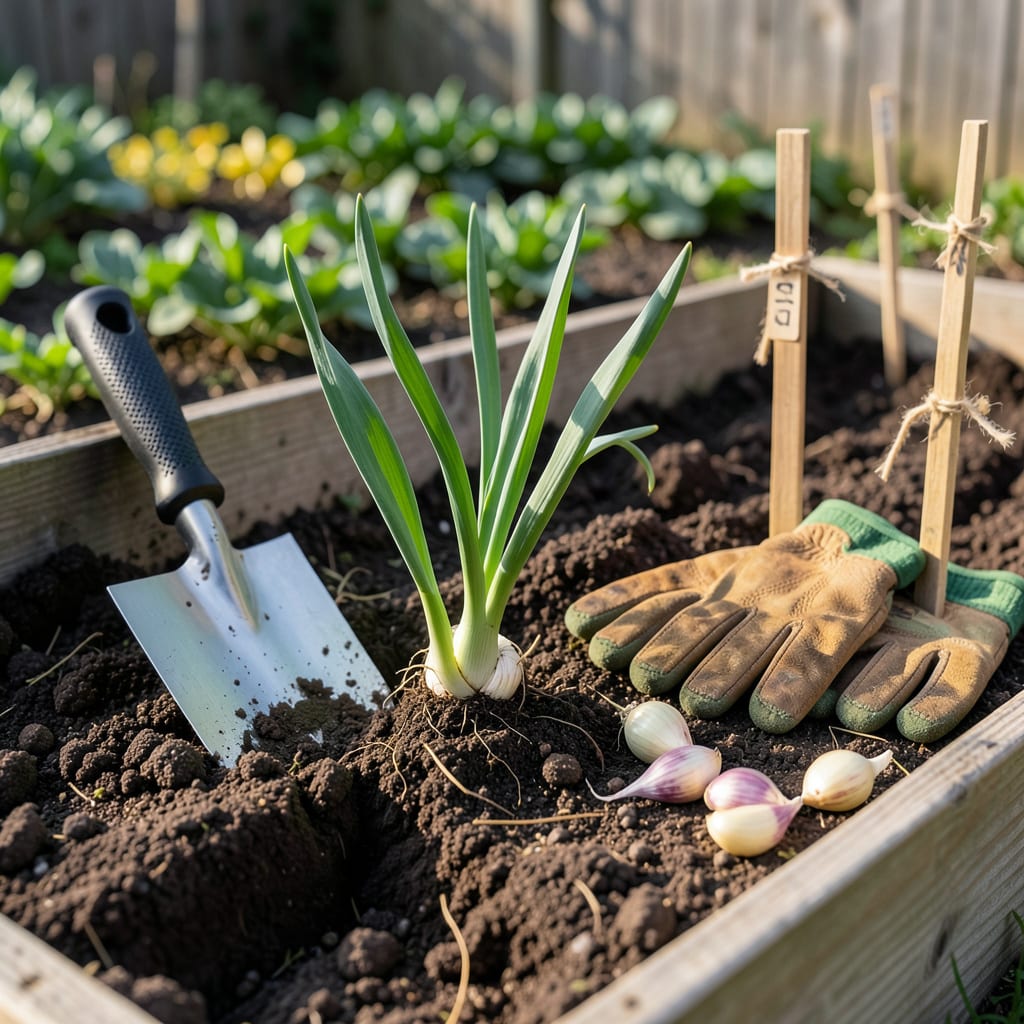
If you’ve ever pulled up sad, undersized garlic bulbs in July, timing might be your downfall. Minnesota’s brutal winters aren’t the enemy—they’re actually your secret weapon for growing bigger, bolder garlic. But only if you plant at the right moment.
The difference between a lackluster harvest and plump, flavor-packed bulbs comes down to two critical months. I’ll show you exactly when to get those cloves in the ground for Minnesota’s unique climate—and why waiting until October could be your best move yet.
Minnesota’s short growing season and harsh winters might seem like challenges, but they’re actually perfect for garlic. The key is planting in early fall—specifically September through mid-October—so cloves develop roots before winter hits. This gives them a head start for explosive spring growth.
I’ve found that 4–6 weeks before ground freeze is the sweet spot. In Southern Minnesota (Zone 4b), aim for late September. Up north (Zone 3), push it to early October. The goal? Strong roots but no top growth before winter. Soil temps should be 50–60°F—cool enough to prevent sprouting but warm enough for root establishment.
| Region | Optimal Planting Window | First Frost Date | Soil Temp Goal |
|---|---|---|---|
| Northern MN (Zone 3) | Early October | Sept 20–Oct 10 | 50–60°F |
| Central MN (Zone 4a) | Late September | Oct 1–Oct 20 | 50–60°F |
| Southern MN (Zone 4b) | Mid-September | Oct 10–Oct 30 | 50–60°F |
*Data based on UMN Extension climate records
Why does this timing matter? Garlic needs vernalization—a period of cold exposure to form proper bulbs. Plant too early, and you’ll get leafy tops but small bulbs. Plant too late, and roots won’t establish before freeze-up. I learned this the hard way when my October 20th planting in Duluth barely survived the winter.
For Minneapolis gardeners, the last week of September is ideal. In Rochester, you can push it to early October. Always check your local first frost date and count backward. The University of Minnesota Extension offers a handy frost date calculator if you’re unsure about your microclimate.
Soil preparation is just as critical as timing. Garlic thrives in loose, well-draining soil with plenty of organic matter. I recommend working in 2–3 inches of compost and ensuring your pH is between 6.0–7.0. Heavy clay? Mix in some sand or aged manure to improve drainage—soggy soil is garlic’s worst enemy.
Here’s a pro tip: Soak cloves in a baking soda solution (1 tbsp per gallon of water) for 30 minutes before planting. This helps prevent fungal diseases. Plant cloves 2 inches deep, pointy end up, and space them 6 inches apart. In cold climates like ours, deeper planting (up to 3 inches) can offer extra winter protection.
After planting, cover beds with 4–6 inches of straw mulch. This insulates soil, prevents heaving from freeze-thaw cycles, and suppresses weeds. Avoid hay—it often contains weed seeds. In spring, pull back mulch slightly to let soil warm up, but keep it handy for weed control as shoots emerge.
Remember, hardneck varieties like ‘Music’ and ‘German White’ perform best in Minnesota. They’re cold-hardy and produce those delicious garlic scapes in early summer. Softnecks? Save those for warmer climates—they rarely thrive in our Zone 3–4 winters.
If you miss the fall window, don’t panic. You can try spring planting, but expect smaller bulbs. For spring attempts, plant cloves as soon as soil is workable (usually late April) and use row covers to protect young shoots from late frosts. Just know your harvest will likely be 30–40% smaller than fall-planted garlic.
I’ve had my best yields when I plant by October 1st and use raised beds—they warm up faster in spring and drain better. Whether you’re in the Twin Cities or up on the Iron Range, that early fall window is your ticket to jumbo garlic bulbs next July. 🌱
Minnesota’s short growing season and harsh winters actually work in your favor when planting garlic. The key is getting cloves in the ground 4–6 weeks before the first hard freeze, which gives roots time to establish without sprouting above soil. This timing varies slightly across the state.
In southern Minnesota (zones 4b–5a), aim for late September to mid-October. Northern gardeners (zones 3a–4a) should plant by early October to beat the freeze. Soil temperatures should be 50–60°F at planting—cool enough to prevent top growth but warm enough for root development.
| Region | Ideal Planting Window | First Frost Date |
|---|---|---|
| Southern MN (Zones 4b–5a) | Sept 20–Oct 15 | Oct 15–30 |
| Northern MN (Zones 3a–4a) | Sept 15–Oct 1 | Sept 25–Oct 10 |
| Twin Cities Area | Sept 25–Oct 10 | Oct 10–20 |
*Data based on USDA Hardiness Zones and University of Minnesota Extension guidelines.
Why does this timing matter? Garlic needs vernalization—a period of cold exposure—to form bulbs. Planting too early risks premature sprouting before winter, while planting too late prevents root establishment. I’ve seen gardeners lose entire crops by waiting until November, when soil becomes unworkable.
For hardneck varieties like ‘Music’ or ‘German White’ (best for MN), this fall window ensures robust scapes come spring. Softneck types like ‘Silverskin’ can also thrive but may need extra mulch. Always source seed garlic from reputable suppliers—grocery store cloves often carry diseases.
Pro tip: Use a soil thermometer to monitor temps at 2-inch depth. When readings drop below 60°F but stay above 40°F, it’s go time. After planting, cover beds with 4–6 inches of straw to insulate against temperature swings.
Remember, Minnesota’s last frost dates (May 1–15) don’t affect fall-planted garlic. The goal is root growth, not top growth, before winter. Come July, you’ll be rewarded with bulbs that dwarf spring-planted garlic—if you nailed the timing.
Even experienced gardeners can sabotage their garlic crop with simple oversights. The most common mistake I see? Planting grocery store garlic. Those cloves are often treated to prevent sprouting and may carry diseases that decimate your entire bed. Always source from certified seed garlic suppliers for healthy, vigorous plants.
Another critical error is ignoring soil drainage. Garlic despises wet feet—soggy soil leads to rot. If your garden has heavy clay, amend with compost and sand or opt for raised beds. I learned this the hard way after losing half my crop to waterlogged soil one particularly wet spring.
The third mistake that haunts many gardeners is planting too late in fall. Remember, garlic needs 4–6 weeks to establish roots before the ground freezes. In Zone 3 areas like International Falls, that means planting by September 20th. Wait until November, and you’re essentially planting in frozen ground—your cloves won’t have time to root properly.
Here’s a pro tip: Don’t remove mulch too early in spring. I see gardeners pull back straw the moment they see green shoots, but those tender sprouts need protection from late frosts. Gradually thin the mulch as temperatures stabilize, but keep some around the base to suppress weeds and retain moisture.
Finally, avoid the temptation to over-fertilize in fall. Garlic planted in rich soil only needs a light top-dressing of compost at planting time. Too much nitrogen encourages leafy growth that’s vulnerable to winter kill. Save the balanced fertilizer (like 5-10-10) for early spring when shoots are 4–6 inches tall. 🌱
Planting before mid-September risks premature sprouting. Warm soil encourages top growth, which can be damaged by early frosts. Focus on root development instead—wait until soil temps drop below 60°F for best results.
Never use store-bought garlic—it’s often treated to prevent sprouting and may carry diseases. Always source certified seed garlic from reputable suppliers. Varieties like ‘Music’ or ‘German White’ are ideal for Minnesota’s climate.
In colder zones (3-4a), plant cloves 3 inches deep for extra winter protection. Southern gardeners can go 2 inches deep. Always plant pointy end up and space 6 inches apart for optimal growth.
Straw mulch (4-6 inches) is ideal—it insulates soil and prevents heaving. Avoid hay (weed seeds!) or leaves (can mat down). Remove mulch gradually in spring when shoots appear, but keep some for weed control.
Yes, but expect 30-40% smaller bulbs. Plant cloves as soon as soil is workable (late April) and use row covers. Fall planting is always better for Minnesota’s climate, but spring attempts can still yield edible garlic.
