
Beautiful Plants For Your Interior
Beautiful Plants For Your Interior
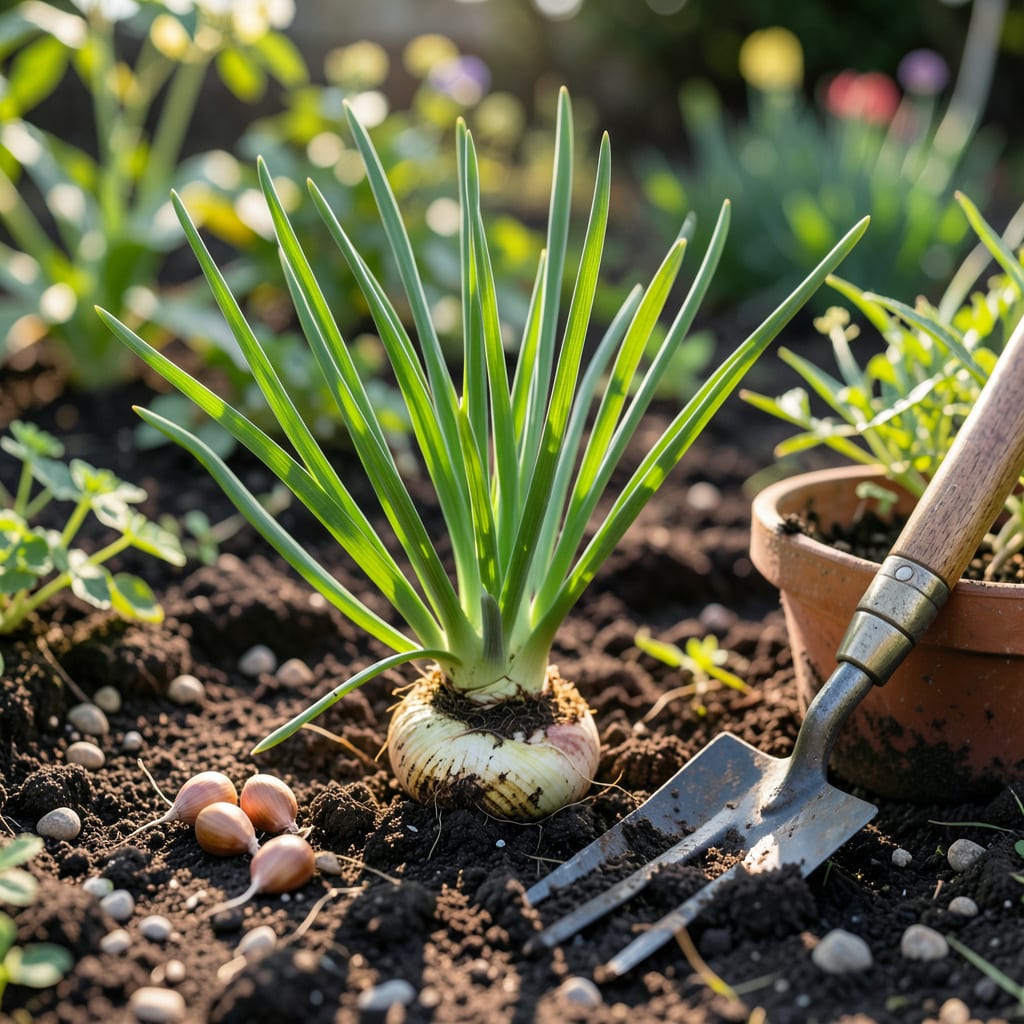
As a Michigan gardener, you’re probably wondering when to get started with planting 🧄 garlic. The key is timing – planting at the right moment ensures a bountiful harvest next summer.
In Michigan’s climate, fall planting is crucial. I’ll guide you through the optimal planting window and share expert tips to help your garlic thrive in the Great Lakes region.
In Michigan, the ideal time to plant garlic is during the fall season, typically between September and October. This timing allows the garlic to establish a strong root system before the ground freezes, ensuring a robust harvest the following summer.
Planting garlic in the fall is crucial because it gives the cloves enough time to develop roots and prepare for the cold winter months. In Michigan’s climate, planting 4-6 weeks before the first frost is generally recommended.
Understanding Michigan’s climate zones is essential for determining the best garlic planting time. The state’s USDA zones range from 4 to 6, indicating varying temperatures and frost dates across different regions.
The first frost date in Michigan typically occurs around September 15, although this can vary depending on the specific location within the state. Planting garlic 4-6 weeks before this date allows it to establish itself before winter.
For optimal growth, garlic requires a cold period to induce flowering and bulb formation. Planting in the fall provides the necessary chilling hours for the garlic to develop properly.
It’s also important to consider the specific climate conditions in your area of Michigan. Cooler regions may need to plant slightly earlier, while warmer areas can plant later in the fall season.
By planting garlic in the fall, you’re giving it the best chance to thrive and produce a bountiful harvest the following summer. This timing is critical for successful garlic cultivation in Michigan’s climate.
To ensure success, it’s crucial to choose high-quality garlic seed and prepare the soil properly before planting. Proper soil preparation includes amending with organic matter and ensuring good drainage.
Planting garlic at the right time is just the first step in growing a successful crop. Proper care throughout the growing season, including mulching and watering, will help ensure a healthy harvest.
In conclusion, planting garlic in Michigan during the fall season, around September or October, is the key to a successful harvest. By understanding your local climate and frost dates, you can optimize your garlic planting for the best results.
Preparing your Michigan garden for garlic planting involves several key steps to ensure optimal growth and a bountiful harvest. First, it’s essential to choose the right garlic variety for your region. Michigan’s climate is suitable for both soft-neck and hard-neck garlic varieties, so select one that suits your preferences and growing conditions 🌿.
Next, focus on soil preparation. Garlic prefers well-draining soil rich in organic matter. Test your soil to determine its pH level and nutrient content. Michigan’s ideal soil pH for garlic is between 6.0 and 7.0. Amend the soil as necessary with compost or well-rotted manure to improve its fertility and drainage 🔄.
Choose firm, disease-free cloves from a reputable source. Avoid using garlic from the supermarket as it may not be suitable for Michigan’s climate.
Remove weeds and debris, then loosen the soil to a depth of 8-10 inches. Mix in 2-4 inches of compost or well-rotted manure to enhance soil fertility and structure.
Plant individual cloves 4-6 inches apart and 2-3 inches deep, with the pointed end facing upward. Space rows 12-18 inches apart to allow for proper growth and air circulation.
Apply a 2-3 inch layer of organic mulch to retain moisture and suppress weeds. Water the garlic bed thoroughly after planting and keep the soil consistently moist throughout the fall.
By following these preparation steps, you’ll create an ideal environment for your garlic to thrive in Michigan’s climate. Proper soil preparation and planting techniques are crucial for a successful garlic harvest 🌟.
Garlic is a low-maintenance crop that requires minimal care once established. However, it’s essential to monitor the soil moisture and keep the area weed-free to ensure optimal growth.
In Michigan, garlic is typically ready to harvest in mid-to-late summer, around July or August. Harvest when the tops begin to yellow and fall over, indicating that the bulbs are mature 🌞.
By understanding the specific needs of garlic in Michigan’s climate and following these planting and care tips, you can enjoy a bountiful harvest of delicious, homegrown garlic.
After planting garlic in Michigan during the fall season, proper care is essential to ensure a healthy and bountiful harvest. One of the most critical factors is mulching, which helps retain moisture, suppress weeds, and regulate soil temperature 🌿.
Apply a 2-3 inch layer of organic mulch, such as straw or chopped leaves, to your garlic bed. This will help protect the soil from extreme temperatures and prevent weed growth, which can compete with your garlic for water and nutrients 🔄.
Water your garlic regularly during the growing season, especially during dry spells. Aim for about 1 inch of water per month, either from rainfall or irrigation 💧.
In Michigan’s climate, garlic requires consistent moisture, particularly during the spring when the plants are actively growing. However, avoid overwatering, as this can lead to rot and other diseases ☁️.
Another important aspect of garlic care is managing common pests and diseases. Keep an eye out for signs of aphids, mites, and fungal infections, and take action promptly if you notice any issues 🐜.
To control pests and diseases, use organic gardening methods whenever possible. This can include introducing beneficial insects, practicing crop rotation, and removing any infected plants to prevent the spread of disease 🌼.
By following these care tips, you’ll be well on your way to growing a successful garlic crop in Michigan.
In conclusion, caring for your garlic crop in Michigan involves a combination of mulching, watering, and pest management. By providing your garlic with the right conditions and care, you’ll be able to enjoy a bountiful harvest of delicious, homegrown garlic 🧄.
The ideal time to plant garlic in Michigan is during the fall season, typically between September and October. This allows the garlic to establish a strong root system before the ground freezes. Planting 4-6 weeks before the first frost is generally recommended.
Garlic prefers well-draining soil rich in organic matter. Test your soil to determine its pH level and nutrient content. Michigan’s ideal soil pH for garlic is between 6.0 and 7.0. Amend the soil as necessary with compost or well-rotted manure.
Water your garlic regularly during the growing season, especially during dry spells. Aim for about 1 inch of water per month, either from rainfall or irrigation. Consistent moisture is crucial, particularly during the spring when the plants are actively growing.
In Michigan, garlic is typically ready to harvest in mid-to-late summer, around July or August. Harvest when the tops begin to yellow and fall over, indicating that the bulbs are mature.
