
Beautiful Plants For Your Interior
Beautiful Plants For Your Interior
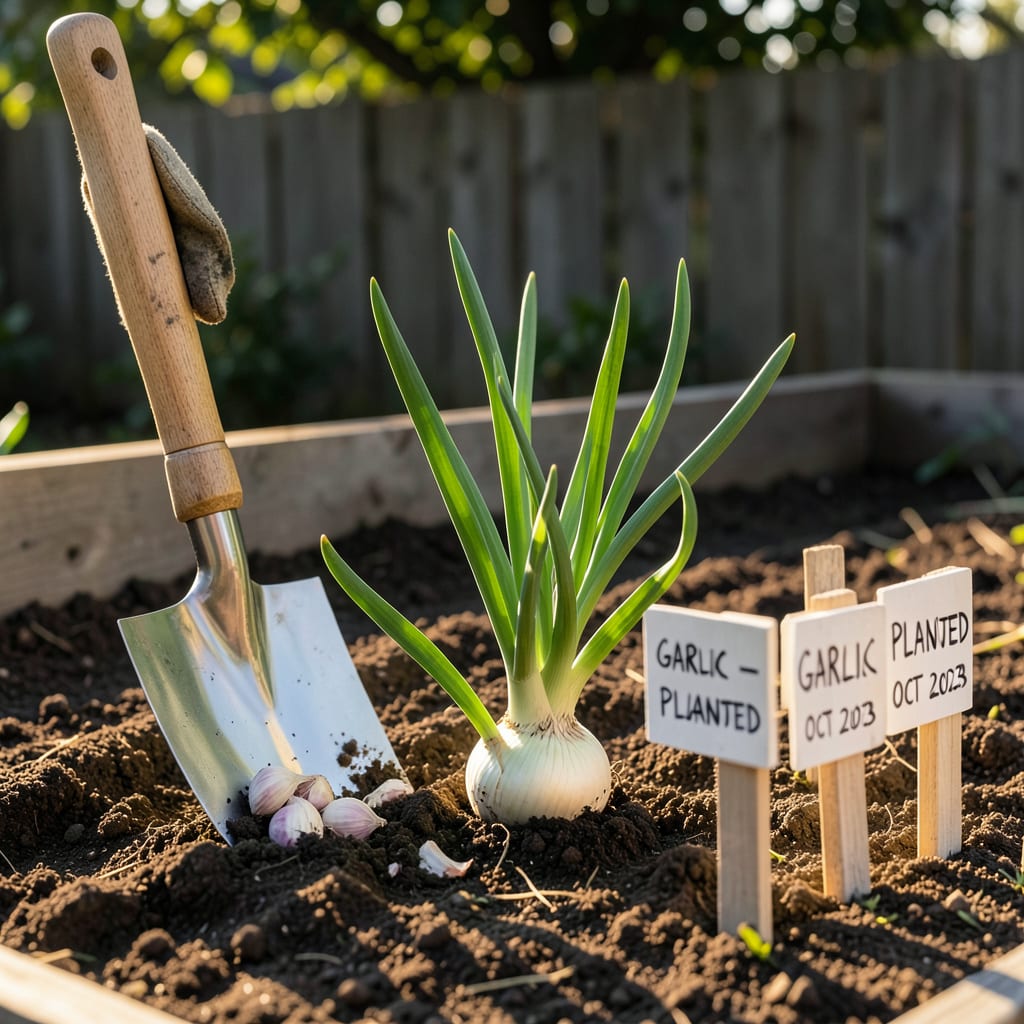
Timing your garlic planting in Massachusetts can mean the difference between bountiful bulbs and a disappointing harvest. Plant too early, and you risk premature sprouting; plant too late, and roots won’t establish before winter sets in.
After years of testing, I’ve found the perfect fall window for Zone 6a gardeners. Whether you’re in coastal Boston or the Berkshires, I’ll show you exactly when to get those cloves in the ground—and why September to October is your golden opportunity for next summer’s best garlic crop.
If you want plump, flavorful garlic bulbs next summer, nailing the fall planting window is critical. In Massachusetts, our Zone 6a climate means we’re racing against the first frost—usually around mid-October. The goal? Get cloves in the ground 4-6 weeks before soil freezes.
Coastal areas like Boston may have a slightly longer window than inland spots like Worcester or the Berkshires. I’ve found late September through October works best statewide, but let’s break it down by region. Soil temps should be 50–60°F for optimal root growth before dormancy.
| Region | Ideal Planting Window | Soil Temp Threshold | Notes |
|---|---|---|---|
| Coastal (Boston, Cape Cod) | Oct 1–Oct 31 | 50–60°F | Milder winters allow later planting |
| Central (Worcester, MetroWest) | Sept 20–Oct 20 | 50–55°F | Aim for early October for safety |
| Western (Berkshires, Pioneer Valley) | Sept 15–Oct 10 | 45–55°F | Earlier frosts require earlier planting |
*Soil temps measured at 2″ depth. Use a soil thermometer for accuracy.
Why does this timing matter? Garlic needs 4–6 weeks of active growth before winter to develop strong roots. Plant too early (like August), and you’ll get premature shoots that winter kills. Plant too late (after November), and roots won’t establish properly.
I always check the UMass Amherst Extension for frost updates—they’re spot-on for Massachusetts. Their data shows that soil temps drop rapidly after mid-October in most regions. Pro tip: Use a low tunnel if you’re planting in late October for extra protection.
For hardneck varieties like ‘German White’ or ‘Music’, this fall window is non-negotiable. They need that cold vernization period (below 40°F for 4–6 weeks) to form bulbs. Softnecks like ‘Silverskin’ are slightly more forgiving but still thrive with fall planting.
Still unsure? Here’s my foolproof test: Stick your finger in the soil at 2-inch depth. If it feels cool but not cold (like a crisp fall morning), it’s go time. If it’s already icy, you’ve missed the window—wait until spring for green garlic instead.
Remember, Massachusetts’ microclimates vary wildly. Gardeners in Plymouth might plant a week later than those in Pittsfield. When in doubt, err earlier. Garlic can handle a light frost, but it can’t recover from weak roots.
Once planted, I mulch with 4–6 inches of straw—not leaves, which can mat down and suffocate shoots. This keeps soil temps steady and prevents heaving (where cloves get pushed out of the ground by freeze-thaw cycles).
By following this timeline, you’ll be harvesting jumbo bulbs come July. And trust me, homegrown Massachusetts garlic puts grocery store cloves to shame—richer flavor, bigger size, and no chemical aftertaste. Now grab your cloves and get planting! 🪴
Now that you know when to plant, let’s dive into the how. Planting garlic in Massachusetts isn’t just about timing—it’s about preparation and technique. I’ve refined this method over years of trial and error, and it consistently delivers bigger, healthier bulbs.
Start by selecting a sunny spot with well-draining soil. Garlic hates soggy roots, so avoid low-lying areas where water pools. If your soil is heavy clay, amend it with compost or sand to improve drainage. Aim for a pH of 6.0–7.0—a simple soil test kit will tell you if adjustments are needed.
*Pro tip: Soak cloves in 1 tbsp baking soda + 1 gallon water for 30 minutes before planting to prevent fungal issues.
One of the biggest mistakes I see is using grocery store garlic. Those cloves are often treated to prevent sprouting, and they may carry diseases. Instead, source seed garlic from reputable suppliers like Filaree Farm or local Massachusetts nurseries. Varieties like ‘Music’ and ‘German White’ thrive in our climate.
After planting, water sparingly—just enough to settle the soil. Overwatering now can cause cloves to rot. Once the ground freezes, your garlic will enter dormancy, and you won’t need to water again until spring. Come April, you’ll see green shoots emerging—that’s your cue to resume watering and apply a balanced fertilizer.
If you’re planting in raised beds, you’re already ahead of the game. Raised beds warm up faster in spring and drain better, which garlic loves. Just ensure your bed is at least 6 inches deep to accommodate root growth. For in-ground planting, consider planting in mounds to improve drainage, especially in heavier soils.
Come spring, keep an eye out for yellowing leaves—this signals harvest time, usually June or July. But for now, focus on getting those cloves in the ground correctly. Trust me, your future self will thank you when you’re pulling up monster bulbs next summer. Happy planting! 🪴
Still nervous? Grab a soil thermometer to double-check conditions, or reach out to your local UMass Extension office for hyper-local advice. Massachusetts gardeners stick together, and there’s no shame in asking for help—especially when the reward is homegrown garlic that’ll make your dishes sing.
Choosing the right garlic variety can make or break your Massachusetts harvest. Our Zone 6a climate demands cold-hardy types that thrive in New England’s unpredictable winters. After testing dozens of varieties, I’ve narrowed it down to the top performers for our region.
Hardneck varieties like ‘German White’ and ‘Music’ are my go-tos for Massachusetts gardens. They handle our freeze-thaw cycles beautifully and develop complex flavors during winter. Softnecks like ‘Silverskin’ offer better storage but need slightly more protection in harsh winters.
| Variety | Type | Cold Hardiness | Flavor Profile | Storage Life |
|---|---|---|---|---|
| Music | Hardneck | ⭐⭐⭐⭐⭐ | Rich, spicy, lingers | 4-6 months |
| German White | Hardneck | ⭐⭐⭐⭐⭐ | Bold, slightly sweet | 5-7 months |
| Silverskin | Softneck | ⭐⭐⭐⭐ | Mild, versatile | 8-12 months |
| Chesnok Red | Hardneck | ⭐⭐⭐⭐ | Sweet when roasted | 4-5 months |
*Cold hardiness rated for Massachusetts winters. All varieties perform best when planted in fall.
For organic gardeners, I recommend ‘German White’ for its natural disease resistance. It consistently produces large, uniform bulbs even in our wet springs. If you’re short on space, ‘Silverskin’ varieties grow well in containers—just ensure 12-inch depth for root development.
Local Massachusetts nurseries often carry regionally adapted varieties. I’ve had great success with seed garlic from Filaree Farm and Territorial Seed Company. Avoid big-box stores—their garlic may not be suited to our climate. Remember, bigger cloves at planting time mean bigger bulbs at harvest.
Pro tip: Plant a mix of early and late varieties to extend your harvest window. ‘Music’ typically matures first in my garden, while ‘German White’ holds well into July. This staggered approach gives you fresh garlic for months instead of all at once.
Whichever variety you choose, proper fall planting remains key. Combine these top performers with our September-October planting window, and you’ll be rewarded with Massachusetts garlic that’s far superior to anything you’ll find in stores. The flavor difference is like comparing farm-fresh tomatoes to supermarket ones! 🪴
Planting before late September risks premature sprouting. Shoots may emerge before winter and get damaged by freezing temps. This weakens the plant and reduces bulb size next summer.
I don’t recommend it. Store-bought garlic is often treated to prevent sprouting and may carry diseases. For best results, use seed garlic from reputable suppliers like Filaree Farm or local MA nurseries.
Plant cloves 2 inches deep, pointy end up. Space them 4-6 inches apart in rows 12 inches apart. This depth protects them from winter heaving while allowing proper root development.
Use 4-6 inches of straw—it insulates better than leaves and won’t mat down. Avoid hay (contains seeds) or wood chips (too slow to decompose). Mulch after planting but before ground freezes.
Expect green shoots to emerge in early April as soil warms. This is normal and healthy! Resume watering when you see growth, and apply a balanced fertilizer to support development.
