
Beautiful Plants For Your Interior
Beautiful Plants For Your Interior
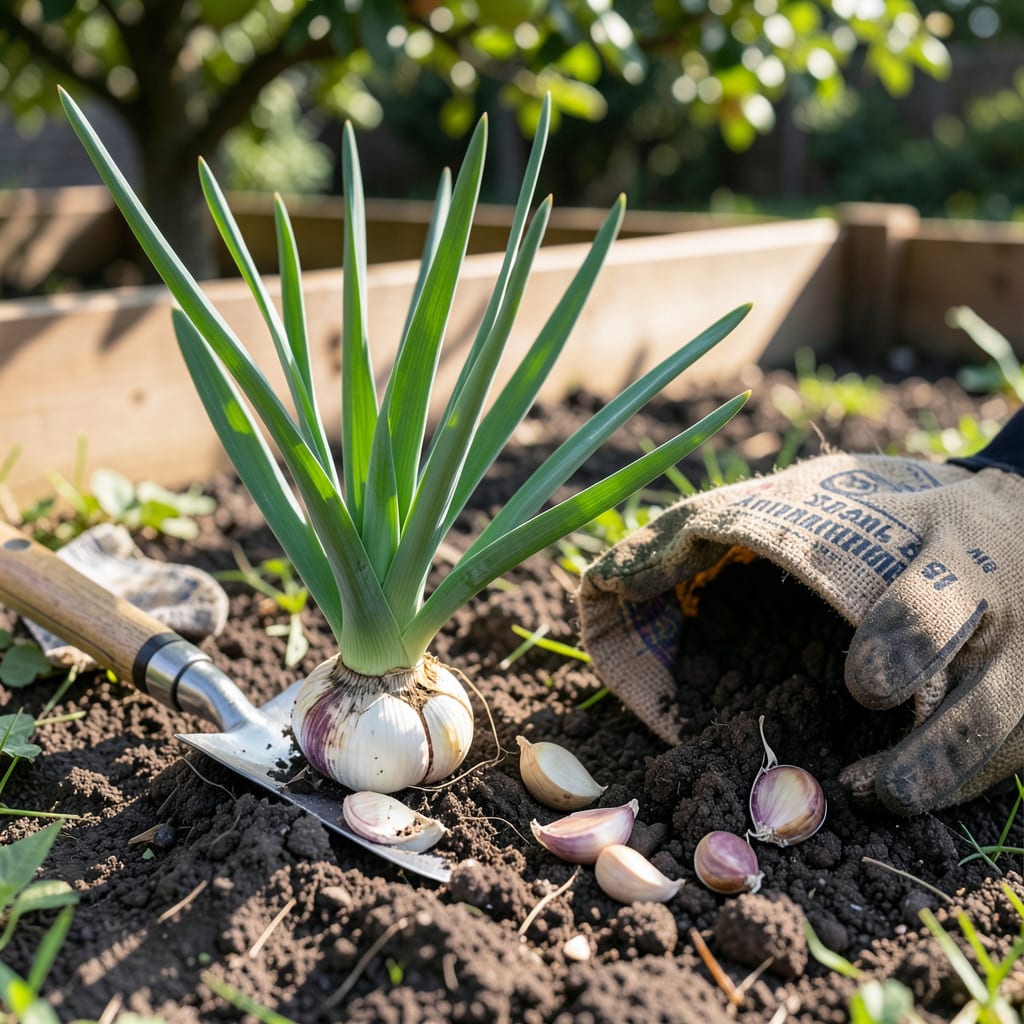
If you’ve ever pulled up puny garlic bulbs in summer, you know timing is everything in Maryland. Plant too late, and your 🧄 won’t root before winter; too early, and you’ll get premature sprouts that struggle through frost.
After years of testing, I’ve nailed the perfect fall window for Maryland’s Zone 7a climate—along with the soil prep tricks that double your harvest. Let’s cut through the guesswork so you get plump, flavorful bulbs next July.
If you’re wondering when to plant garlic in Maryland, timing is absolutely critical. Garlic thrives when planted in fall, giving cloves time to develop roots before winter dormancy. In Maryland’s USDA zones 6-8, the sweet spot is October through early November—just before the first hard frost.
Planting too early risks premature sprouting, while planting too late means weak root systems. Maryland’s first frost typically hits around October 15, so aim to get cloves in the ground 4-6 weeks beforehand. This ensures roots establish without tops breaking the soil before winter.
Maryland’s diverse microclimates mean coastal areas (like Annapolis) can plant slightly later than inland regions (like Frederick). The key is soil temperature—garlic roots grow best when soil is 50°F–60°F. Use a soil thermometer to check, or plant after your first light frost but before the ground freezes.
For hardneck varieties (like ‘German White’), which perform well in Maryland, planting in mid-October gives them enough chilling hours for bulb formation. Softneck types (like ‘Silverskin’) are more forgiving and can go in up to early November in warmer zones.
If you miss the fall window, don’t panic—you can try early spring planting (March), but bulbs may be smaller. Spring-planted garlic lacks the vernalization (cold treatment) needed for optimal bulb development. I always recommend prioritizing fall planting for the best results.
Maryland’s last frost date (around April 15) means garlic will start growing again in early spring. By planting in fall, you’ll see green shoots emerge in March, giving bulbs a head start. This timing also helps avoid allium rust, a fungal disease common in humid Maryland summers.
For urban gardeners in Baltimore or DC suburbs, watch for “heat islands” that delay frost. Adjust your planting date by 1-2 weeks later if your area stays warmer. Rural and mountainous regions (like Garrett County) should plant 2 weeks earlier due to colder microclimates.
Remember, garlic needs full sun (6+ hours daily) and well-draining soil. If your Maryland garden has heavy clay, amend with compost before planting. I’ve found that raised beds warm up faster in spring, giving garlic an extra boost in cooler zones.
After planting, apply 4-6 inches of mulch (straw or shredded leaves) to insulate cloves. This protects against temperature swings and retains moisture. Come spring, you’ll be rewarded with robust plants ready for a June–July harvest—just in time for Maryland’s farmers market season! 🌱
Now that you know when to plant garlic in Maryland, let’s dive into the how-to for maximum success. I’ve perfected this method over years of Maryland gardening—follow these steps, and you’ll avoid the common pitfalls that lead to small, underdeveloped bulbs.
Start by selecting healthy seed garlic from a reputable source (avoid grocery store cloves, which may be treated). In Maryland, I recommend hardneck varieties like ‘German White’ or ‘Music’ for their cold hardiness. Break bulbs into individual cloves 24–48 hours before planting to prevent drying out.
Planting garlic in compacted or soggy soil is the #1 reason for rot in Maryland’s clay-heavy regions. Always amend with compost and ensure your bed has proper drainage before planting.
Prepare your planting bed by loosening soil to 12 inches deep and mixing in 2–3 inches of compost. Maryland’s clay soil benefits from added organic matter—aim for a loose, crumbly texture. Plant cloves pointy-end up, 2 inches deep, and 6 inches apart in rows spaced 12 inches apart.
After planting, water thoroughly (about 1 inch of water) to settle the soil. Then, apply a 4–6 inch layer of mulch—I prefer straw or shredded leaves in Maryland to insulate cloves through winter. This protects against temperature swings and retains moisture without suffocating the soil.
In early spring, remove some mulch to allow green shoots to emerge. Maryland’s April showers usually provide enough moisture, but water during dry spells (about 1 inch per week). Avoid overhead watering to prevent fungal diseases like allium rust, which thrives in our humid summers.
Come June or July, watch for brown lower leaves—this signals harvest time! Use a fork to gently lift bulbs, then cure them in a shady, well-ventilated spot for 2–3 weeks. Proper curing extends storage life, so don’t skip this step in Maryland’s humid climate. 🌿
Choosing the right garlic variety can make or break your Maryland harvest. Not all garlic thrives in our humid summers and variable winters, so I’ve tested dozens to find the top performers. Whether you’re in Baltimore’s urban heat or Western Maryland’s cooler hills, these varieties deliver.
Maryland’s climate favors both hardneck and softneck types, but each has pros and cons. Hardnecks handle our cold snaps better and produce flavorful scapes (edible flower stalks), while softnecks store longer—ideal for Maryland’s humid basements. Let’s compare the best options for your garden.
For Western Maryland (Zone 6), I swear by ‘German White’ hardneck—it laughs at our sub-zero temps and produces massive bulbs. In Central Maryland (Zone 7), ‘Music’ hardneck balances cold tolerance with rich flavor, perfect for roasting or raw dishes.
Coastal gardeners near Annapolis or Ocean City should try ‘Silverskin’ softneck. Its long storage life (up to a year!) makes it ideal for Maryland’s humid basements. If you love giant cloves, ‘Russian Giant’ elephant garlic thrives in our climate, though it’s technically a leek relative.
Pro tip: Rotate varieties yearly to prevent soil-borne diseases like white rot, which plagues Maryland garlic. I plant hardnecks one year, softnecks the next. For organic growers, ‘Chesnok Red’ hardneck resists pests naturally—critical in our buggy summers. 🌱
Planting before mid-September risks premature sprouting. Maryland’s warm early falls can trick cloves into growing tops too soon, which then get damaged by frost. This weakens the plant and leads to smaller bulbs at harvest.
Stick to the October–November window for best results. Early planting also increases disease risk in our humid climate.
You can, but expect smaller bulbs. Spring-planted garlic lacks the vernalization (cold treatment) needed for proper bulb formation. In Maryland, aim for early March if you miss fall planting.
Fall planting is ideal because it allows roots to establish before winter dormancy. Spring planting works in a pinch but requires extra care.
Plant cloves 2 inches deep with the pointy end up. This depth protects them from Maryland’s freeze-thaw cycles while allowing easy spring emergence. Space cloves 6 inches apart in rows 12 inches apart.
Too shallow risks frost heaving; too deep delays sprouting. Use a ruler to check depth if you’re unsure.
Straw or shredded leaves work best in Maryland. Apply a 4–6 inch layer after planting to insulate cloves. This protects against temperature swings and retains moisture without suffocating the soil.
Avoid grass clippings (they mat down) or plastic (traps too much moisture). Remove some mulch in early spring to let shoots through.
Small bulbs usually result from three common mistakes: planting too late (weak roots), overcrowding, or poor soil. Maryland’s clay soil needs amendment with compost for proper drainage. Also ensure full sun (6+ hours daily).
Try hardneck varieties like ‘German White’ for better results in our climate. Rotate planting locations yearly to prevent disease buildup.
