
Beautiful Plants For Your Interior
Beautiful Plants For Your Interior
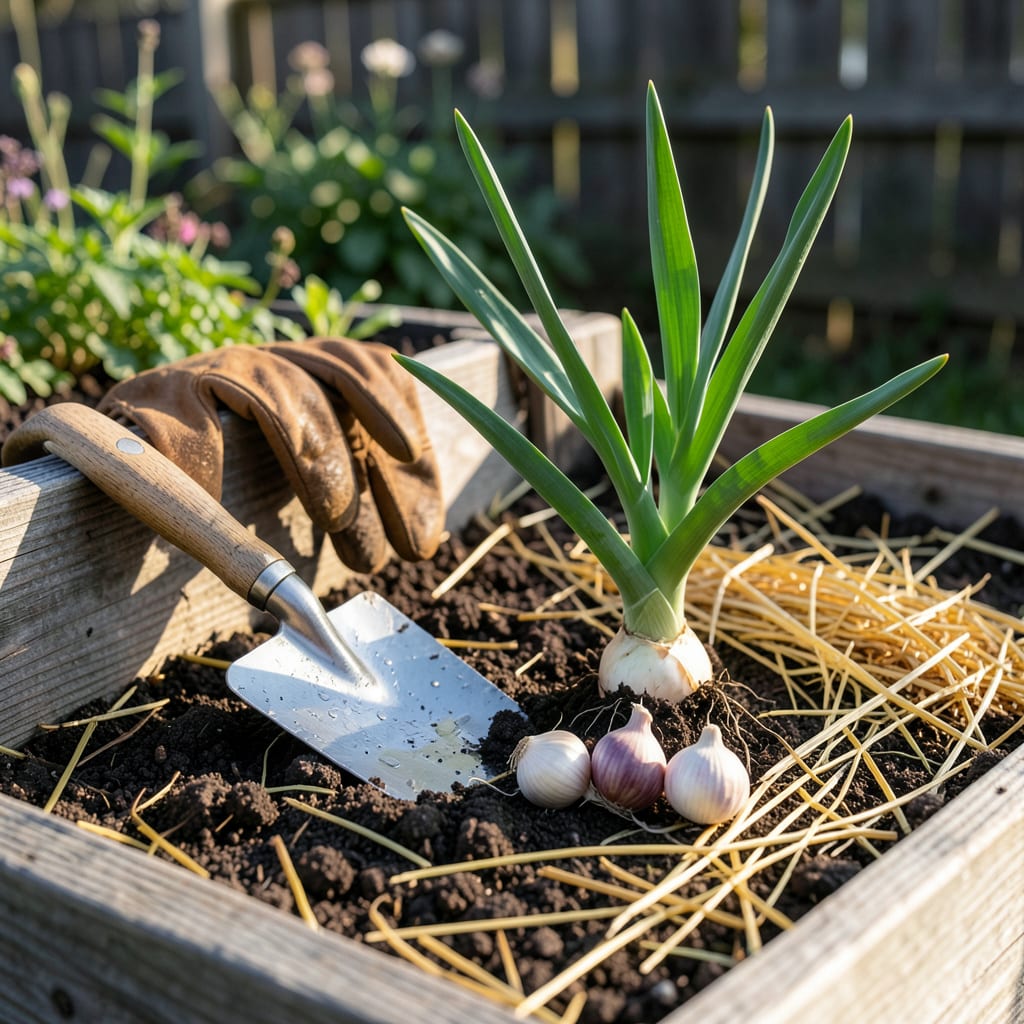
Timing your garlic planting in Maine can make or break your harvest. Plant too early or too late, and you’ll end up with small, underdeveloped bulbs—or worse, none at all. This northern climate demands precision, especially when dealing with hardy varieties like hardneck garlic.
I’ve tested different planting windows across Maine’s zones, and the results were eye-opening. Whether you’re in coastal Zone 6 or the colder inland regions, nailing the fall window is your ticket to bigger, flavor-packed 🧄 bulbs next summer. Let’s cut through the guesswork.
If you want giant garlic bulbs next summer, timing your fall planting is non-negotiable in Maine. The cold-hardy cloves need 4-6 weeks of root growth before the ground freezes, which means getting them in the soil while it’s still warm but not too early. I’ve found that October is prime time—but the exact window shifts slightly depending on your zone.
Maine spans USDA zones 3 through 6, with coastal areas staying milder than inland regions. In Zone 6 (southern Maine), you can push planting to early November, while Zones 3-5 need cloves in the ground by mid-October. The goal? 6-8 weeks before your first hard frost—soil temps should be around 50-60°F for best root development.
| Zone | Planting Window | Notes |
|---|---|---|
| 3-4 | Sept 25 – Oct 15 | Earliest window; mulch heavily |
| 5 | Oct 1 – Oct 25 | Aim for mid-October sweet spot |
| 6 | Oct 10 – Nov 5 | Coastal areas can plant later |
*Soil temp should be 50-60°F at planting. Use a soil thermometer!
Why does this timing matter? Garlic cloves need to develop strong roots before winter, but they shouldn’t sprout tops until spring. Plant too early, and you risk premature shoots that winterkill. Plant too late, and roots won’t establish—leading to small, weak bulbs come July. I’ve seen both scenarios play out in my own garden!
For hardneck varieties (like ‘German White’ or ‘Music’), which thrive in Maine, the 6-week root growth rule is critical. These types produce larger cloves but need that cold period to bulb properly. Softneck garlic (like ‘Silverskin’) can handle slightly later planting but won’t size up as well in our short season.
Here’s my pro tip for Maine gardeners: Use a soil thermometer to hit that 50-60°F sweet spot. If you’re in Zone 3, err on the earlier side—late September plantings often outperform October ones. And don’t forget: mulch with 4-6 inches of straw after planting to insulate cloves through our subzero winters.
Coastal gardeners in Zone 6 can push the envelope a bit. I’ve successfully planted as late as November 1 in Portland, but only because the ocean moderates temps. Inland? Stick to October 1-20 to be safe. Remember, garlic is a marathon, not a sprint—what you do in fall determines your harvest 9 months later.
Still unsure? Watch the foliage on your trees. When 50% of leaves have dropped, it’s go time. That’s nature’s way of saying, “The soil’s cooling down—get those cloves in!” I’ve used this trick for years, and it’s never steered me wrong. Just be sure to water deeply after planting to jumpstart root growth.
One last thing: Avoid grocery-store garlic. Those bulbs are often treated to prevent sprouting, and they can introduce diseases to your soil. Instead, order certified seed garlic from a reputable supplier. I like ‘Chesnok Red’ for its cold hardiness and rich flavor—perfect for Maine’s climate.
By nailing this fall planting window, you’re setting the stage for bigger, healthier bulbs next July. And trust me, there’s nothing like pulling up a fat garlic head you grew yourself—it’s the ultimate Maine gardening flex. Now grab your trowel and get planting!
Planting garlic in Maine isn’t just about timing—it’s about preparing your soil and protecting cloves through our brutal winters. I’ve refined this process over years of trial and error, and the difference between a mediocre harvest and a bumper crop often comes down to these key steps.
Start by selecting a sunny, well-drained spot—garlic hates soggy roots. In Maine’s acidic soils, I recommend working in 2-3 inches of compost and a handful of wood ash (if your pH is below 6.0) a few weeks before planting. This gives microbes time to break down the amendments before cloves go in.
⏰ Total time needed: 1-2 hours for a 4x8ft bed. Best done on a dry, overcast day.
For hardneck varieties (my top pick for Maine), plant the largest cloves you have—they’ll produce the biggest bulbs. I save my smallest cloves for kitchen use and plant only the jumbo ones. This might seem wasteful, but trust me, the payoff is worth it when you’re harvesting softball-sized bulbs next July.
Maine’s short growing season means every degree of soil warmth counts. That’s why I use black plastic mulch in early spring—it warms the soil 5-10°F faster than bare ground. Just lay it over the bed in late March, secure the edges, and cut X-shaped slits where garlic shoots emerge. Remove it completely once shoots are 6 inches tall.
Here’s a Maine-specific trick I swear by: After planting, lay evergreen boughs over the straw mulch. They create an air pocket insulation layer that protects cloves during subzero snaps, while still allowing snow to penetrate (snow is nature’s best insulator!). Remove the boughs in early April as temps rise.
If you’re gardening in containers, choose a pot at least 12 inches deep and 18 inches wide. Use a soilless mix amended with compost, and move pots to a protected location (like against a south-facing wall) once temps drop below 20°F. Container-grown garlic needs more frequent watering but can be just as productive as in-ground plants.
Finally, resist the urge to harvest too early. In Maine, garlic is typically ready between late July and early August. Wait until the lower leaves brown but 5-6 upper leaves stay green. Dig a test bulb to check—if the cloves fill the wrapper, it’s go time! 🌱
Even experienced Maine gardeners can sabotage their garlic crop without realizing it. I’ve seen first-year failures turn into record harvests just by fixing a few key mistakes. The good news? Most issues stem from timing errors or poor prep—both totally avoidable with the right know-how.
One of the biggest blunders I encounter is planting grocery-store garlic. Those bulbs are often treated with sprout inhibitors and may carry viruses that’ll plague your soil for years. I learned this the hard way after my entire bed succumbed to white rot. Always source certified seed garlic from reputable suppliers like Filaree Farm or Keene Garlic.
💡 Quick fix: Test soil with a $10 pH meter from your local garden center before planting.
Another critical error is planting at the wrong depth. I’ve seen gardeners bury cloves too shallow (risking freeze damage) or too deep (delaying spring emergence). The sweet spot is 2-3 inches deep, with the pointy end up. In Maine’s rocky soil, I use a dibble board to ensure consistent depth—it’s a game-changer for uniform bulbs.
Mulch mismanagement wrecks more Maine garlic crops than almost anything else. Either gardeners skip mulch entirely (leading to winterkill) or use the wrong type (like leaves that mat down). The fix? Apply 4-6 inches of straw (not hay!) immediately after planting. Straw allows air circulation while insulating cloves. In Zone 3, I add an extra 2 inches for insurance.
Here’s a Maine-specific tip most guides miss: Don’t remove spring mulch too early. I’ve lost count of how many gardeners peel back mulch at the first sign of green shoots, exposing tender growth to late frosts. Instead, gradually thin mulch in April as temps rise. Leave a 1-inch layer to suppress weeds and retain moisture during our dry springs.
Finally, fertilizer timing trips up even seasoned growers. Many overfeed in fall (which promotes weak top growth) or underfeed in spring (when bulbs need nutrients). My schedule: No fertilizer at planting, then a high-nitrogen boost in early May when shoots hit 6 inches. I use fish emulsion (5-1-1) every 3 weeks until June 1st.
Planting before late September can cause premature sprouting. The tender green shoots often can’t survive Maine’s early frosts, which weakens the plant. Aim for soil temps around 50-60°F—typically early October for most zones.
You can, but expect much smaller bulbs. Spring-planted garlic misses the critical cold period needed for bulb development. If you must plant in spring, choose softneck varieties and plant as soon as soil is workable—usually late April.
Check for green shoots emerging in early spring. Gently scratch away mulch—healthy cloves will have firm, white roots. If you see mushy cloves or no growth by mid-May, replant immediately. Snow cover actually helps insulate, so don’t remove it prematurely.
Straw is ideal—it insulates while allowing airflow. Apply 4-6 inches after planting, then add more in December. Avoid hay (seeds!) or leaves (they mat down). In Zone 3, add evergreen boughs on top for extra protection.
Small bulbs usually result from planting tiny cloves, poor soil, or late planting. Always use jumbo seed cloves, amend soil with compost, and plant by mid-October. Hardneck varieties like ‘German White’ consistently outperform others in Maine’s climate.
