
Beautiful Plants For Your Interior
Beautiful Plants For Your Interior
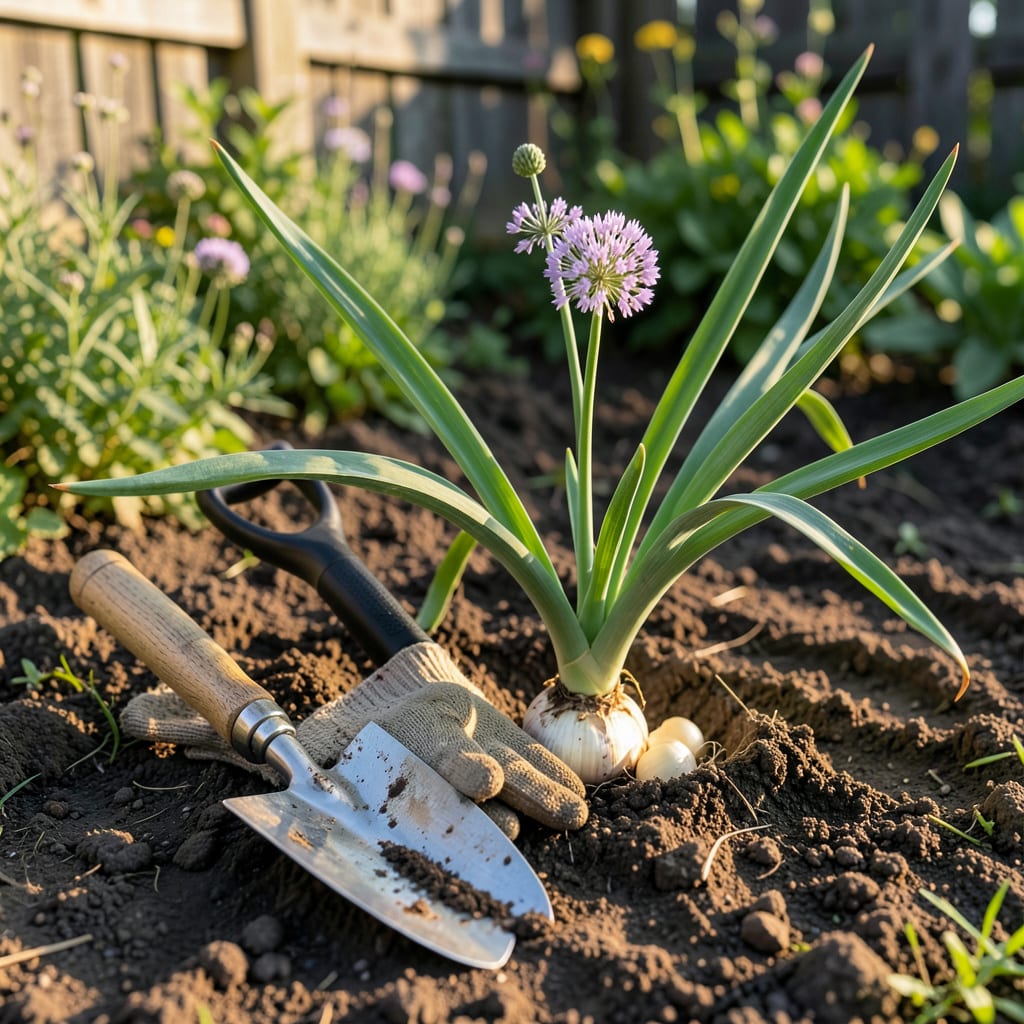
If you’ve ever pulled up puny garlic bulbs in June, you know timing is everything in Kansas. Plant too early, and your 🧄 might sprout before winter; too late, and roots won’t establish before the first frost hits zones 6a-7a.
After years of testing, I’ve nailed the perfect fall window for robust harvests. Whether you’re in Wichita or near the Missouri border, I’ll show you exactly when to get those cloves in the ground—and why those few weeks make all the difference.
If you’re growing garlic in Kansas, nailing the fall planting window is your ticket to plump, flavorful bulbs next summer. The Sunflower State’s climate varies dramatically from east to west, so I’ll break down the perfect timing for each region—because planting too early or late can sabotage your harvest.
Kansas spans USDA zones 5b–7a, meaning your first frost date could range from early October (western KS) to late November (eastern KS). The golden rule? Plant 4–6 weeks before the ground freezes so roots establish without top growth. Let’s dig into the specifics.
| Region | Ideal Planting Window | First Frost Date | Soil Temp Goal |
|---|---|---|---|
| Eastern KS (Zones 6a–7a) | Oct 15–Nov 15 | Mid-November | 50–60°F |
| Central KS (Zone 6b) | Oct 1–Oct 31 | Late October | 50–60°F |
| Western KS (Zone 5b) | Sep 20–Oct 15 | Early October | 50–60°F |
💡 Pro Tip: Use a soil thermometer to confirm temps—plant when soil cools to 60°F at 2″ depth.
In eastern Kansas (Lawrence, KC metro), aim for mid-October to mid-November. The milder climate here allows a later start, but don’t push past November 15—roots need time to anchor before winter. I’ve found October 20–30 is the sweet spot for most gardeners.
For central Kansas (Wichita, Salina), the window tightens to October 1–31. This region’s earlier frosts mean you’ll want cloves in the ground by Halloween. If you’re planting hardneck varieties (like Rocambole), lean toward the earlier side—they need extra rooting time.
Western Kansas (Dodge City, Garden City) is the trickiest, with first frosts in early October. Plant September 20–October 15 to beat the freeze. I recommend mulching heavily (4–6″ of straw) here—those harsh winter winds can desiccate unprotected cloves.
Why does timing matter so much? Plant too early, and warm soil triggers premature sprouting—leaves emerge before winter, then die back in cold snaps. Plant too late, and roots won’t develop, leading to stunted bulbs. The goal is root growth only before dormancy, with no top growth until spring.
Kansas’ clay-heavy soils add another layer of complexity. If your soil stays soggy after rain, plant on the earlier side (e.g., late September in western KS) to give roots a head start. For sandy soils (common in south-central KS), you can push planting 1–2 weeks later since drainage is better.
Still unsure? Check your local frost dates via the K-State Research Extension—they publish county-specific data. Or use this rule of thumb: Plant when nighttime temps consistently hit 50°F, but before the first hard frost (28°F).
Remember, garlic is a marathon, not a sprint. Those cloves you tuck into Kansas soil this fall will spend 9 months underground before harvest. Give them the best possible start by hitting your region’s planting window, and you’ll be rewarded with jumbo bulbs next June. 🌱
Planting garlic in Kansas is all about preparation. I’ve found that October through early November is the sweet spot, giving cloves enough time to root before winter. Start by selecting a sunny location with well-draining soil—garlic hates soggy feet!
Before planting, break apart seed garlic bulbs into individual cloves, keeping the papery skin intact. Larger cloves typically produce bigger bulbs, so choose wisely. I always soak mine in baking soda solution (1 tbsp per gallon) for 30 minutes to prevent fungal issues.
In Kansas’ clay-heavy soils, I recommend planting cloves in raised beds or mounds to improve drainage. If your soil is compacted, mix in sand or perlite to prevent rot. A pH of 6.0–7.0 is ideal—test and amend if needed.
After planting, apply a balanced fertilizer (like 10-10-10) lightly to encourage root growth. Avoid high-nitrogen fertilizers—they’ll promote leafy tops instead of bulbs. I use fish emulsion in early spring for a gentle nutrient boost.
Mulching is non-negotiable in Kansas! A thick layer of straw or shredded leaves protects cloves from temperature swings and prevents frost heaving. Come spring, pull back mulch slightly to let shoots emerge, but keep it handy for late frosts.
By June or July, your garlic will be ready to harvest when the lower leaves brown. Use a garden fork to gently lift bulbs, then cure them in a shady, dry spot for 2–3 weeks. Proper timing and care now mean plump, flavorful bulbs later! 🌿
I’ve seen even experienced Kansas gardeners make simple errors that ruin their garlic harvest. The biggest mistake? Using grocery-store garlic instead of seed garlic. Those cloves are often treated to prevent sprouting, and they can introduce diseases like white rot to your soil. Always source from a reputable supplier.
Another critical error is planting too shallow or too deep. In Kansas’ clay-heavy soil, cloves planted less than 2 inches deep risk freezing out, while those buried over 3 inches may rot. Aim for a goldilocks zone of 2 inches deep, with the pointed end up. Trust me, this small detail makes all the difference.
Many gardeners also overlook soil preparation. Kansas soil can be compacted, so I always recommend loosening it to 12 inches deep and mixing in 2–3 inches of compost. This improves drainage and gives roots room to expand. If your soil is particularly heavy, consider planting in raised beds for better control.
Timing mistakes are another harvest killer. Planting in early September might seem smart, but warm soil can trigger premature sprouting, weakening the plant before winter. Conversely, waiting until December means roots won’t develop enough. Stick to the October–November window for zones 5b–7a, adjusting slightly based on your exact location.
Finally, don’t forget about post-planting care. After tucking cloves into the soil, water them in well, then apply a 4–6 inch layer of straw mulch. This protects against Kansas’ temperature swings and retains moisture. Come spring, remove mulch gradually as shoots emerge to prevent mold. A little attention now saves heartache later!
Planting before late September risks premature sprouting due to warm soil. These early shoots are vulnerable to winter kill, weakening the plant and reducing bulb size. Stick to the October–November window for best results.
It’s risky! Store-bought cloves are often treated to prevent sprouting and may carry diseases like white rot. Always use certified seed garlic from a trusted supplier for healthier plants and bigger harvests.
Aim for 2 inches deep, pointed end up. In heavy clay, planting too shallow risks frost heaving, while too deep (3+ inches) can cause rot. Amend soil with compost or sand to improve drainage.
Apply 4–6 inches of straw or leaves after planting to insulate cloves. This protects against Kansas’ temperature swings and prevents frost heaving. Remove mulch gradually in spring as shoots emerge.
For zones 6a–7a, avoid planting after mid-November. Cloves need 4–6 weeks to root before the ground freezes. If you miss the window, consider spring planting (less ideal) or wait until next fall.
