
Beautiful Plants For Your Interior
Beautiful Plants For Your Interior
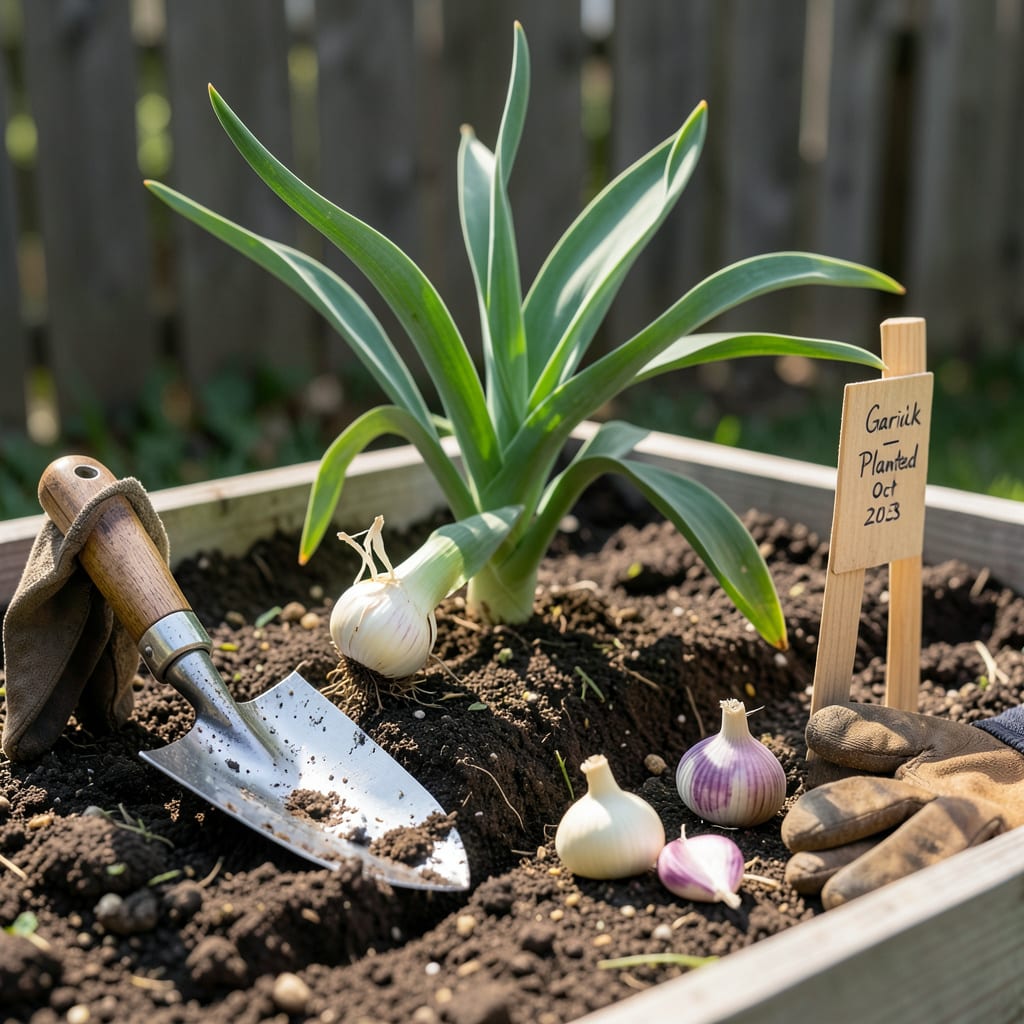
If you’ve ever pulled up sad, undersized garlic bulbs in June, you already know timing is everything in Iowa. That perfect window between summer’s end and winter’s first freeze makes all the difference for your 🧄 crop.
I learned the hard way that planting too early risks frost damage, while waiting too long means weak roots. After testing different approaches in zone 5b, I’ll show you exactly when to get those cloves in the ground for next summer’s biggest, most flavorful harvest.
After years of experimenting in my Iowa garden, I’ve found that mid-September through late October is the sweet spot for garlic planting. This timing gives cloves enough time to develop strong roots before winter dormancy, but not so much that they sprout prematurely.
The key is watching your soil temperature—aim for 50-60°F at planting time. In northern Iowa (zone 4), I plant earlier in September, while southern gardeners (zone 5) can push into early November if needed. The goal is 4-6 weeks before your first hard freeze.
*Data based on Iowa State University Extension recommendations
I always check my local frost dates—Iowa’s first frost typically hits between October 10-20. Planting too early in August can cause premature sprouting, while November plantings may not establish roots before winter. Use a soil thermometer for precision.
For hardneck varieties like ‘German White’ or ‘Music’, I plant individual cloves 2 inches deep and 6 inches apart. These types thrive in Iowa’s climate and produce those delicious garlic scapes in spring. Softnecks prefer slightly warmer conditions.
Remember that well-draining soil is critical—Iowa’s clay can be problematic. I amend my beds with compost and sand to improve drainage. A pH of 6.0-7.0 is ideal for garlic. Test your soil before planting!
After planting, I apply 4-6 inches of mulch—straw works best in my experience. This protects cloves from Iowa’s freeze-thaw cycles and helps retain moisture. Remove mulch in early spring when shoots emerge, but keep some handy for late frosts.
If you miss the fall window, don’t panic. You can try spring planting, but expect smaller bulbs. I’ve had success with spring-planted garlic by pre-chilling cloves in the fridge for 4-6 weeks before planting in early March.
For the biggest bulbs, I recommend watering deeply after planting, then letting nature take over until spring. Avoid overwatering—garlic hates soggy feet. Come June, you’ll be rewarded with plump, flavorful bulbs that’ll make your neighbors jealous! 🧄
Pro tip: Mark your planting rows with biodegradable flags or sticks. Iowa’s early spring growth can be slow, and it’s easy to forget where you planted. I use popsicle sticks labeled with the variety name and planting date.
Now that you know the perfect timing, let’s get those cloves in the ground properly. I’ve refined this method over years of Iowa gardening, and it consistently produces my biggest, healthiest garlic bulbs. The secret is in the preparation and planting technique.
Start by selecting your healthiest seed garlic—never use grocery store cloves. I source mine from local Iowa farms or reputable online suppliers. Look for large, firm cloves with no soft spots. Hardneck varieties like ‘German White’ or ‘Music’ perform best in our climate.
For Iowa’s heavy clay soils, I create raised beds or plant in mounded rows to improve drainage. If you’re planting in containers, use a well-draining potting mix with added perlite. Remember that garlic hates wet feet!
After planting, I mark my rows with biodegradable plant labels—garlic can be slow to emerge in spring. I note the variety and planting date on each label. This helps me track performance and adjust my techniques each year.
Come spring, remove about half the mulch when shoots appear, but keep some handy for late frosts. I start light fertilization when shoots are 4-6 inches tall, using a balanced organic fertilizer (5-5-5). Stop fertilizing by early June to let bulbs mature.
Watering consistency is key—I aim for 1 inch per week until early June, then taper off as harvest approaches. Too much water late in the season can cause bulbs to rot. I use a soaker hose to keep foliage dry and prevent disease.
Watch for garlic scapes in late spring—these curly flower stalks appear on hardneck varieties. I remove them when they curl once to direct energy toward bulb growth. They’re edible and delicious in pesto! 🌱
Even experienced Iowa gardeners can make mistakes with garlic planting. I’ve seen healthy-looking cloves produce disappointing results when simple errors creep in. The good news? Most issues are preventable with proper timing and technique.
One of the biggest mistakes I see is using grocery store garlic. Those cloves are often treated to prevent sprouting and may carry diseases. Always source from certified seed garlic suppliers or local Iowa farms for best results.
Another common error is planting at the wrong depth. Cloves planted too shallow may heave out of the ground during freeze-thaw cycles, while those planted too deep struggle to emerge. Stick to the 2-inch depth rule for optimal results in Iowa’s climate.
Many gardeners also forget about soil preparation. Iowa’s heavy clay needs amendment before planting. I mix in compost and sand to improve drainage. Garlic hates wet feet, especially over winter. Test your soil pH too—garlic prefers 6.0-7.0.
Timing mistakes can be costly. Planting too early (before mid-September) risks premature sprouting, while planting after early November may not give roots enough time to establish. I use a soil thermometer to confirm temperatures are between 50-60°F at planting time.
Finally, don’t neglect spring care. Remove about half your mulch when shoots emerge, but keep some handy for late frosts. Stop watering by early June to let bulbs mature properly. With these precautions, you’ll avoid the most common pitfalls Iowa gardeners face with garlic. 🌱
Cloves planted before mid-September often sprout prematurely. Iowa’s late summer warmth can trick them into growing tops instead of roots. These early shoots are vulnerable to frost damage when winter arrives.
Never use supermarket cloves—they’re often treated to prevent sprouting. Certified seed garlic from Iowa farms ensures disease-free, vigorous growth. Store-bought varieties may also be wrong for our climate zone.
Plant cloves 2 inches deep, pointy end up. This depth protects from freeze-thaw cycles while allowing easy spring emergence. In heavy clay, consider mounded rows for better drainage.
Straw works best—apply 4-6 inches after planting. It insulates against temperature swings and retains moisture without compacting like leaves. Remove half in spring when shoots appear.
Yes, but expect smaller bulbs. Pre-chill cloves in your fridge for 4-6 weeks before planting in early March. Spring-planted garlic won’t develop the same complexity as fall-planted.
