
Beautiful Plants For Your Interior
Beautiful Plants For Your Interior
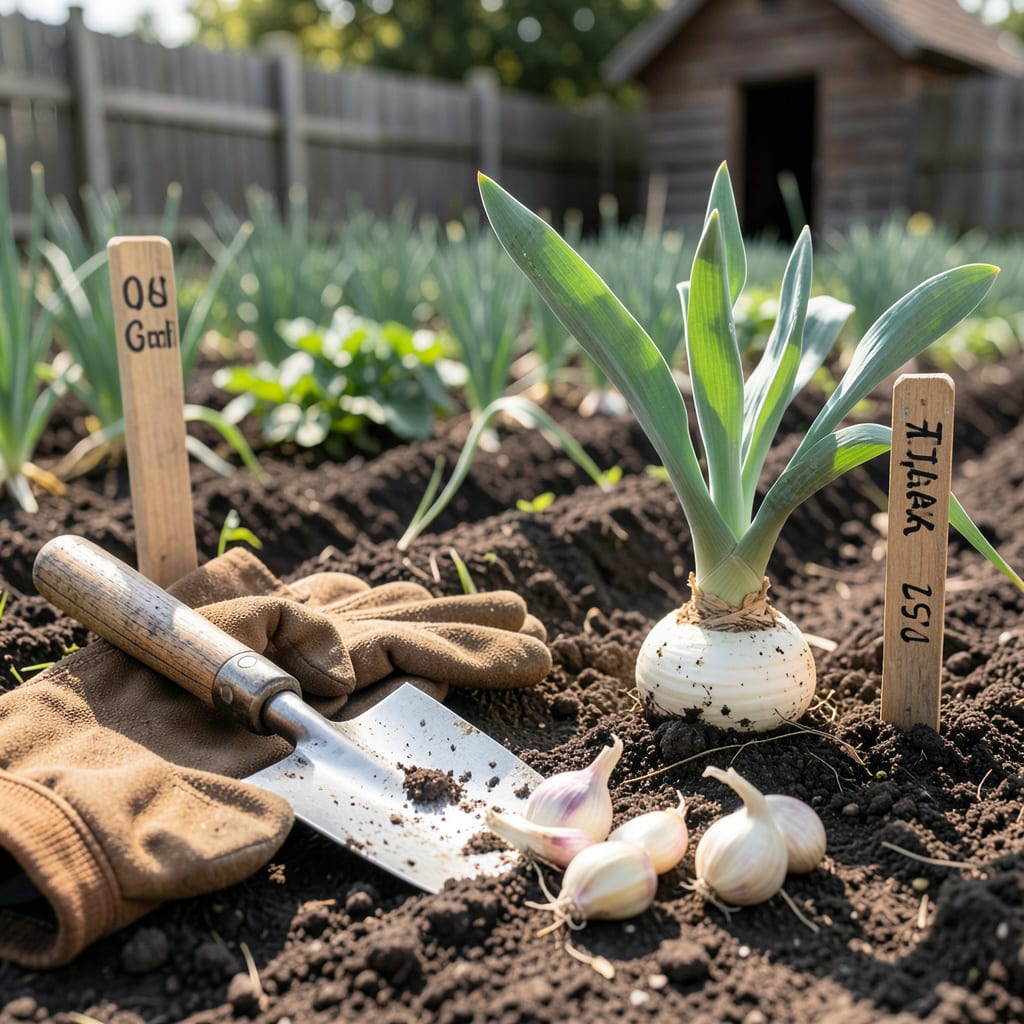
Timing your garlic planting in Indiana isn’t just about picking a date—it’s about setting up next summer’s harvest for success. Those plump, flavorful bulbs start with a fall planting window that’s as precise as it is critical.
I’ve seen Indiana gardeners struggle when they plant too early or too late—both can sabotage your crop. The sweet spot? A narrow frame between October and November, when soil temps hit that goldilocks zone. Let’s break down exactly how to nail it for your region.
Indiana’s fall garlic planting window is your golden ticket to robust bulbs next summer. The key? Hitting that 4–6 week window before the ground freezes—typically between October 1 and November 15, depending on where you live in the state.
Why fall? Because garlic needs cold exposure to develop proper bulbs. Plant too early, and you’ll get premature sprouting. Plant too late, and roots won’t establish before winter. Indiana’s USDA zones 5b–6a mean timing varies by region, so let’s pinpoint your ideal dates.
| Region | Ideal Planting Window | First Frost Date | Soil Temp Goal |
|---|---|---|---|
| Northern Indiana | Oct 1–Oct 20 | Mid-October | 50–60°F |
| Central Indiana | Oct 10–Nov 1 | Late October | 50–60°F |
| Southern Indiana | Oct 20–Nov 15 | Early November | 50–60°F |
*Data based on Purdue Extension guidelines and Indiana climate averages.
In Northern Indiana, aim for early October planting. The shorter growing season means you’ll want roots established before the first hard frost. I’ve found that German White garlic thrives here—its cold hardiness matches the region’s winters perfectly.
Central Indiana gardeners have a bit more flexibility. October 10 to November 1 is ideal, but watch the 10-day forecast. If a sudden cold snap is predicted, plant a week earlier. Music garlic is a top performer here, balancing flavor and storage life.
Down south, you can push planting to mid-November thanks to milder winters. But don’t wait too long—soil temps below 40°F halt root growth. Silverskin varieties excel in this region, especially for braiding and long-term storage.
Pro tip: Use a soil thermometer to confirm temps are in the 50–60°F range at planting depth (2 inches). If your soil is too warm, cloves may sprout prematurely. Too cold? Roots won’t develop enough before winter dormancy.
Remember, mulching is non-negotiable in Indiana. After planting, cover beds with 4–6 inches of straw or shredded leaves. This protects cloves from freeze-thaw cycles that can heave them out of the ground.
If you miss the fall window, don’t panic—spring planting is possible, but expect smaller bulbs. For spring garlic, plant cloves as soon as soil is workable (usually late March), but prioritize fall planting for best results.
Finally, mark your calendar for next June or July—that’s when you’ll harvest your garlic. The timing depends on your variety, but you’ll know it’s ready when lower leaves brown and the bulbs feel firm. Indiana’s climate rewards patience, and nothing beats the taste of homegrown garlic! 🌱
Planting garlic in Indiana is about more than just timing—it’s about preparing the perfect bed for those cloves to thrive. I’ve learned that soil prep and planting technique make all the difference between mediocre and magnificent bulbs.
Start by selecting a sunny spot with well-draining soil. Garlic hates soggy roots, so if your soil is heavy clay, amend it with compost or sand at least 2 weeks before planting. Aim for a pH of 6.0–7.0—a simple soil test kit will save you guesswork.
Never plant grocery-store garlic! It’s often treated with growth inhibitors and may carry diseases. Instead, source seed garlic from reputable suppliers like Filaree Farm or local Indiana growers.
When planting, break bulbs into individual cloves just before going into the ground—don’t peel them! Plant each clove 2 inches deep, pointy-end up, spacing them 4–6 inches apart in rows 12 inches apart. This gives roots room to expand without competition.
After planting, water gently to settle the soil, then apply a 4–6 inch layer of mulch. I prefer straw over leaves because it’s less likely to mat down and suffocate sprouts. In Indiana’s climate, mulch is your winter insurance policy—it keeps soil temps steady and prevents heaving.
Watering is simple: keep soil moist but not soggy. After planting, water every 5–7 days until the ground freezes. In spring, resume watering when you see green shoots emerge, tapering off as harvest nears in June or July.
For bigger bulbs, I swear by a light fertilizer boost in early spring. Use a balanced 5-10-10 fertilizer or compost tea when shoots are 6 inches tall. Avoid high-nitrogen feeds late in the season—they’ll give you lush tops but undersized bulbs.
Finally, scout for pests like onion thrips or diseases like white rot. Remove any yellowing plants immediately to protect the rest. Come harvest time, you’ll be rewarded with bulbs that store for 6–12 months—if you’ve followed these steps! 🌱
Choosing the right garlic variety for Indiana’s climate can make or break your harvest. Our cold winters and humid summers favor specific types that thrive in these conditions. I’ve tested dozens of varieties over the years, and a few stand out as Indiana all-stars.
Indiana gardeners should focus on hardneck varieties for fall planting—they handle our winters beautifully and produce large, flavorful cloves. But if you’re after long storage life or braiding potential, softnecks deserve a spot in your garden too. Let’s compare the top performers.
Best for: Fall planting, cold climates, gourmet flavor
Best for: Long storage, braiding, milder winters
🌱 Pro Tip: For Indiana’s zone 6a, plant hardnecks in October and harvest by July. Softnecks can go in slightly later (early November) and store until next year’s planting!
For Northern Indiana growers, I recommend German White as your go-to. Its exceptional cold tolerance means it survives even the harshest winters, and the flavor is unmatched for roasting or fermenting. Plant cloves in early October for best results.
In Central Indiana, where winters are slightly milder, Music garlic shines. It produces jumbo cloves that are easy to peel—perfect for home cooks. The plants also handle our wet springs better than most varieties, reducing rot risk.
Southern Indiana’s longer growing season makes it ideal for experimenting with softneck varieties. Silverskin is my top pick here because it stores incredibly well—I’ve kept bulbs until the next planting season! For market growers, Artichoke garlic offers high yields and adaptability to warmer microclimates.
No matter which variety you choose, remember that seed quality matters. Always source from reputable growers like Keene Garlic Farm or Indiana’s own Sandhill Family Farms. Avoid supermarket garlic—it’s often treated to prevent sprouting and may introduce diseases to your soil.
Finally, consider planting a mix of varieties to extend your harvest window. Early-maturing types like California Early can be ready by late June, while later varieties like Chesnok Red may hold until mid-July. This staggered approach gives you fresh garlic for weeks instead of all at once! 🌿
Planting too early (before October) can cause premature sprouting. The shoots may emerge before winter, making them vulnerable to freeze damage. Aim for soil temps around 50–60°F—use a thermometer to check.
Yes, but expect smaller bulbs. Spring-planted garlic lacks the cold exposure needed for optimal bulb development. If you miss fall planting, plant cloves as soon as soil is workable (late March) and prioritize fast-maturing varieties.
Plant cloves 2 inches deep, pointy-end up. This depth protects them from winter heaving while allowing roots to establish. In heavy clay soil, plant slightly shallower (1.5 inches) to prevent rot.
Straw is ideal—it insulates without compacting. Apply a 4–6 inch layer after planting. Avoid leaves or grass clippings, which can mat down and suffocate sprouts. Mulch also prevents freeze-thaw cycles from pushing cloves out of the ground.
Taper off watering 2–3 weeks before harvest (usually late June). This helps bulbs cure properly. Overwatering late in the season can cause rot or split skins. Check soil moisture—it should feel dry 1 inch below the surface at harvest time.
